
Travel and Tinsel contains affiliate links and is a member of the Amazon LLC Associates Program. If you make a purchase using one of these Amazon links, we may receive compensation at no extra cost to you. Read my disclaimer for more information.
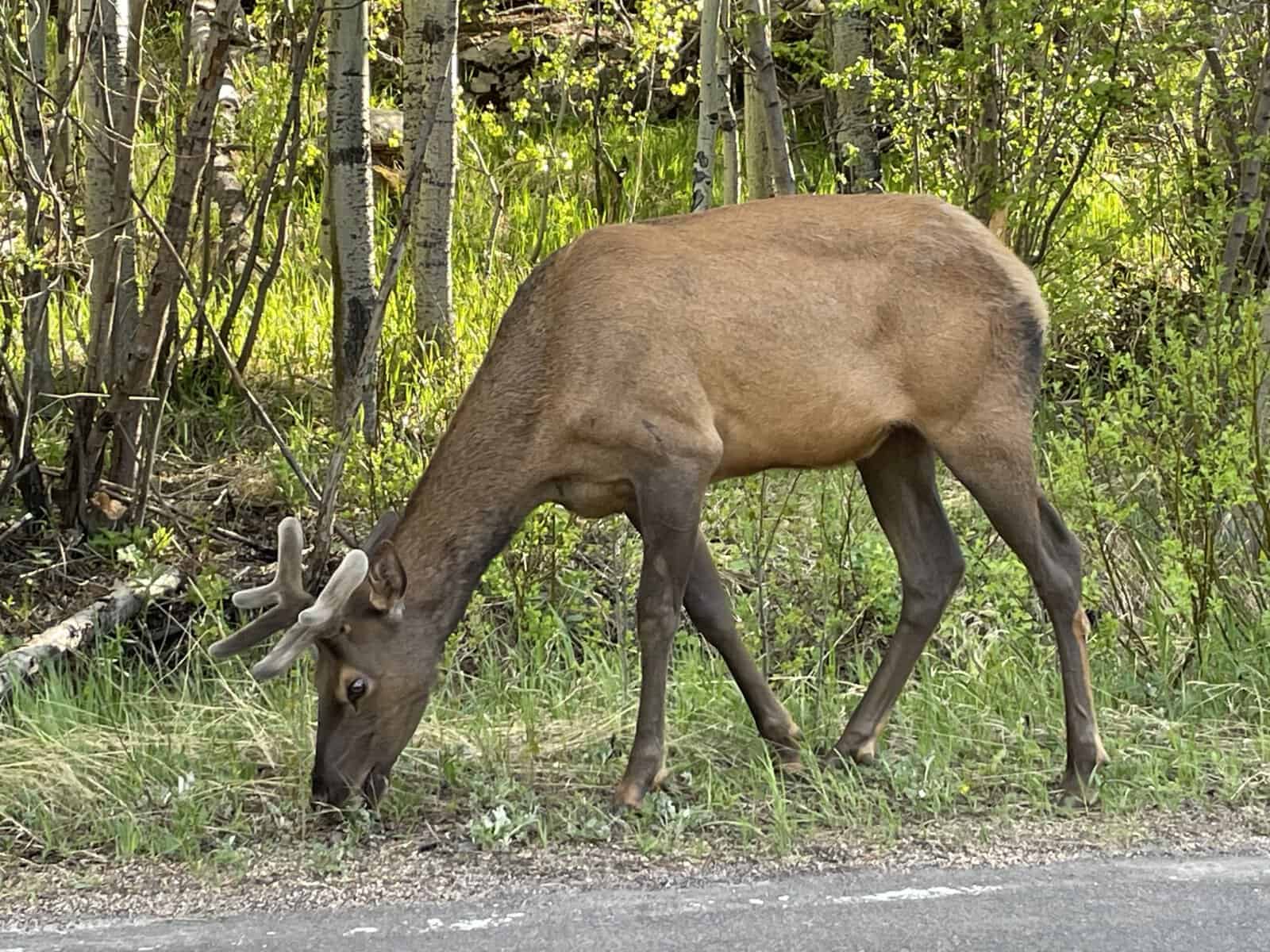
Visiting Rocky Mountain National Park was the main reason for our trip to Estes Park, and I completely understand why it’s one of Colorado’s most visited destinations. We hiked to Emerald Lake, watched elk graze near Beaver Meadows, spotted chipmunks along the trails, and finally saw a moose on our last day.
If this is your first time visiting Rocky Mountain National Park, it’s important to know that timed entry reservations, seasonal road closures, elevations above 12,000 feet, and crowded parking areas can all catch visitors by surprise. Planning ahead will help you spend more time enjoying the park.
While this isn’t a guide to every hike or attraction in Rocky Mountain National Park, it does cover the highlights we experienced firsthand along with the practical tips I wish I had known before our visit.
You’ll find advice on choosing the right entrance, understanding the shuttle system, hiking to Emerald Lake, spotting wildlife, and avoiding some of the most common mistakes first-time visitors make.
Planning to spend more than a day in the area? Be sure to read my 22 Fun Things to Do in Estes Park guide for even more attractions, restaurants, and itinerary ideas.
Rocky Mountain National Park at a Glance
📍 Location: Near Estes Park and Grand Lake, Colorado
🥾 Best For:Hiking, wildlife, scenic drives, and alpine lakes
📅 Best Time to Visit:June–September (September for elk rut)
⏰ Recommended Visit:2–3 days (1 day for highlights)
🚗 Don’t Miss:Bear Lake, Emerald Lake, Trail Ridge Road, wildlife viewing
🎟️ Reservations:Timed entry required late May–mid October (seasonal)
🦌 Wildlife:Elk, moose, bighorn sheep, marmots, pikas, mule deer
🧭 Best Guided Tours: Glass Top Tour
Best Time to Visit Rocky Mountain National Park
The best time to visit Rocky Mountain National Park depends on what you want to see and do. Every season offers something different, from wildflowers and hiking to fall colors and snow-covered landscapes.
We visited in early June, and while it was a beautiful time to explore the park, it also came with a few surprises. Temperatures were still chilly in the mornings, even at the lower elevations, and we encountered snow on higher elevation trails while hiking to Emerald Lake.
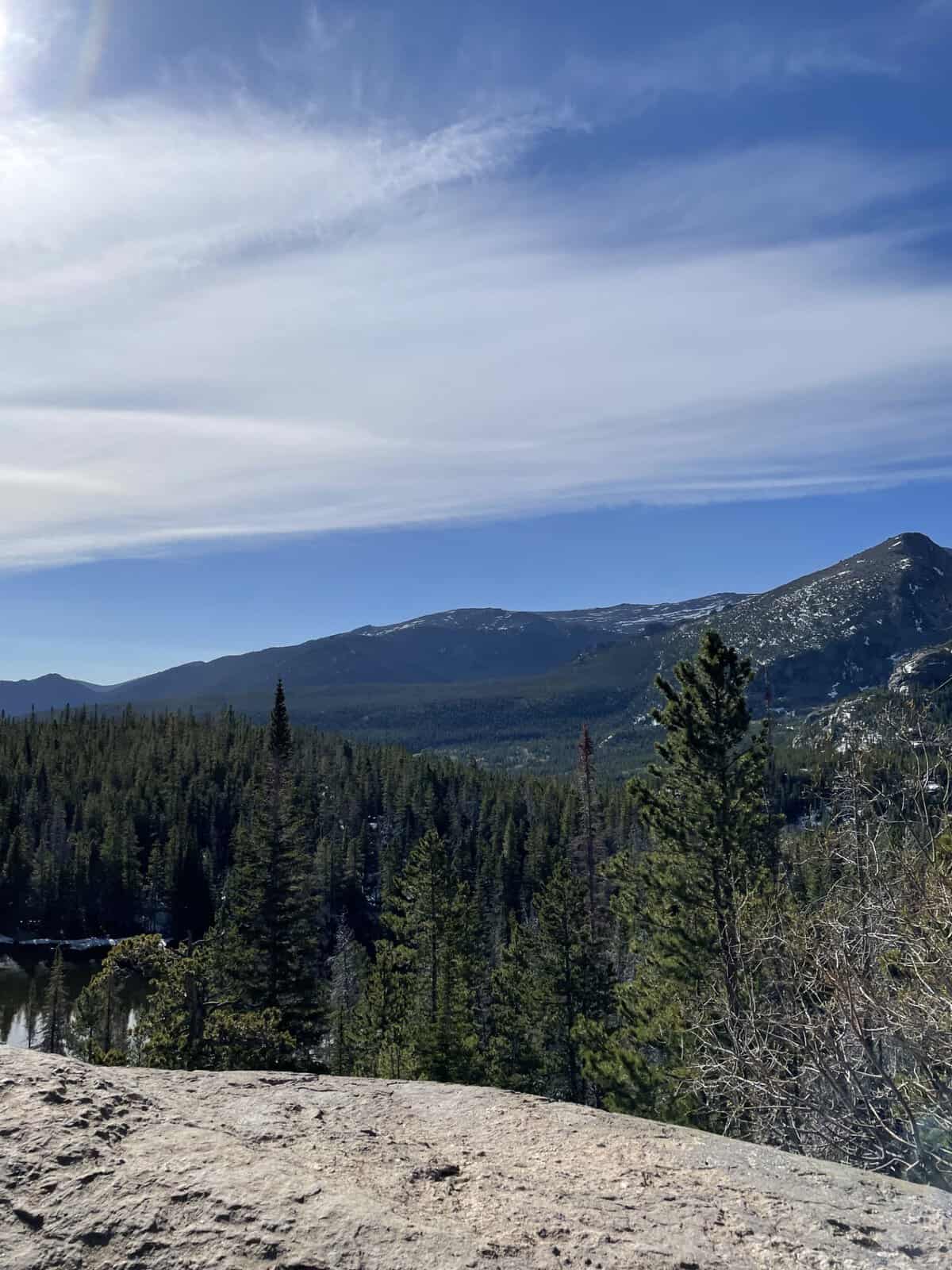
Trail Ridge Road, the scenic road that connects the east and west sides of the park, was also still closed for the season. Many first-time visitors don’t realize this can happen well into late spring. Seeing photos of the towering snow walls after the road reopens made me realize just how much snow the park receives each winter.
Summer (June through August)
Summer is the busiest season and offers the best access to hiking trails, scenic drives, and visitor facilities. Wildflowers begin blooming, wildlife is active, and nearly all areas of the park are open once Trail Ridge Road has reopened for the season.
Because this is peak season, expect larger crowds and plan to make timed entry reservations well in advance. I’ll explain the timed entry reservation system in more detail in the next section.
Fall (September through October)
Fall is one of the most popular times to visit Rocky Mountain National Park thanks to cooler temperatures, beautiful fall colors, and the annual elk rut. During September and early October, you’ll often hear bull elk bugling throughout the park.
Spring (April through May)
Spring can be a wonderful time to visit if you’re hoping for fewer crowds, but it’s important to understand that winter conditions often linger much longer than many visitors expect.
Trail Ridge Road will likely still be closed. Because the road climbs above 12,000 feet, heavy snowfall can keep it closed until late May or even June.
Winter (November through March)
Winter brings snow-covered peaks, frozen lakes, and excellent opportunities for snowshoeing and cross-country skiing. While many roads and facilities close for the season, you’ll also experience fewer crowds and a completely different side of the park.
Reservations, Passes & Fees
One of the most confusing parts of planning a trip to Rocky Mountain National Park is understanding the difference between the park entrance fee and the timed entry reservation. They are not the same thing, and during the busy season, you’ll likely need both.
Park Entrance Fees
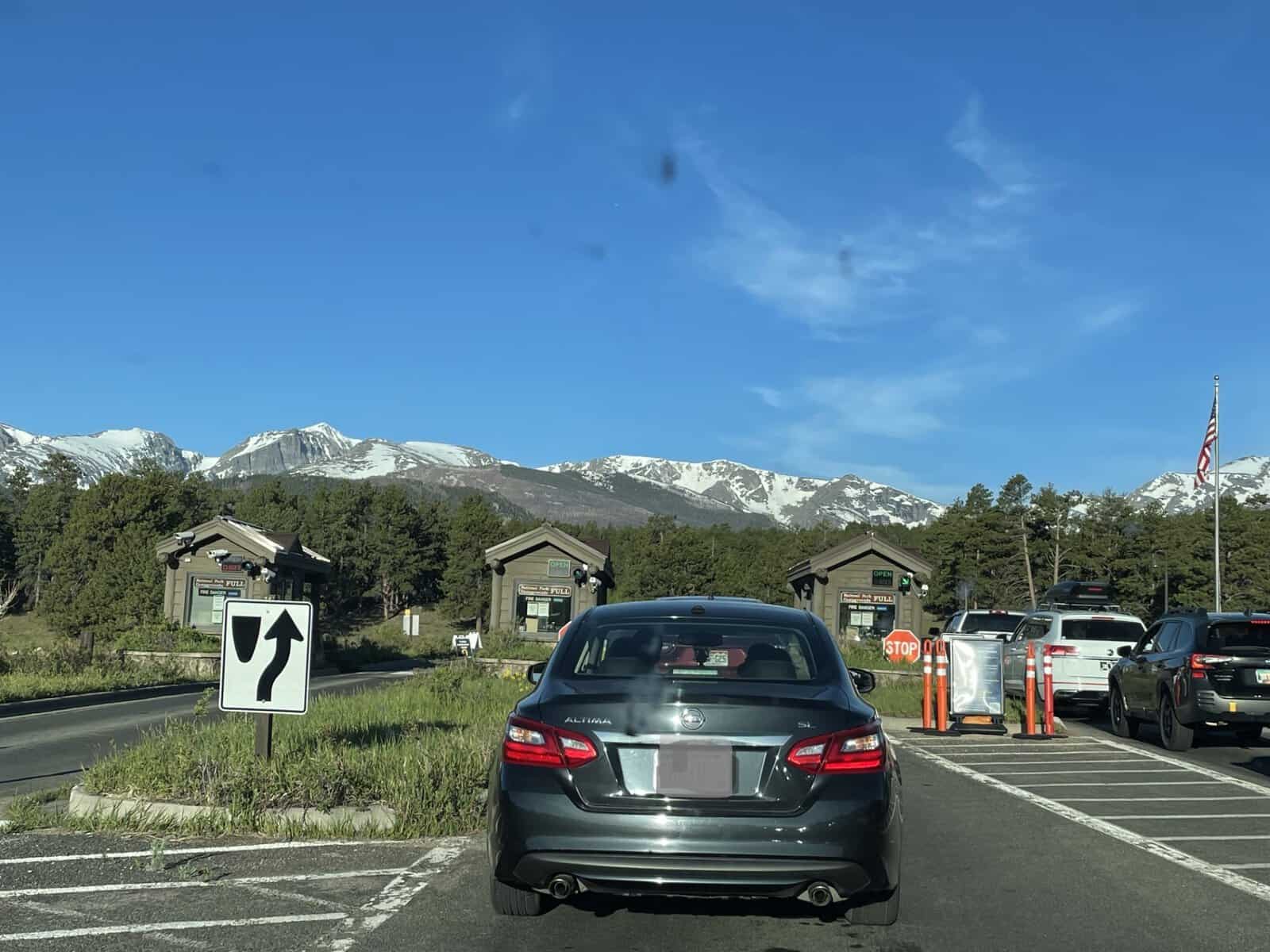
Everyone entering Rocky Mountain National Park must pay an entrance fee unless they have a qualifying pass. You can purchase a standard park pass or use an America the Beautiful Pass. If you plan to visit several national parks within a year, the annual pass can be an excellent value.
Discounts are available for seniors, and passes can be purchased online or at the park entrance stations.
💰 Money-Saving Tip: The National Park Service offers several free entrance days each year.
👉Check free entrance days here.
Timed Entry Reservations
From late May through mid-October, Rocky Mountain National Park requires timed entry reservations during certain hours of the day to help manage crowds. You’ll need a timed entry reservation in addition to your park entrance pass.
There are two reservation options available.
Timed Entry
This reservation provides access to most areas of Rocky Mountain National Park, including Trail Ridge Road, Moraine Park, Horseshoe Park, and Beaver Meadows. It does not include access to the Bear Lake Road Corridor.
If you only plan to enjoy scenic drives or visit areas outside Bear Lake Road, this reservation is all you need.
One advantage is that Timed Entry reservations are not required if you enter the park after 2:00 p.m.
Timed Entry + Bear Lake Road
To visit Bear Lake, Alberta Falls, Dream Lake, Emerald Lake, Sprague Lake, or anywhere else along Bear Lake Road, you’ll need the Timed Entry + Bear Lake Road reservation. This reservation is required to enter the Bear Lake Road Corridor between 5 a.m. and 6 p.m. during the timed entry season.
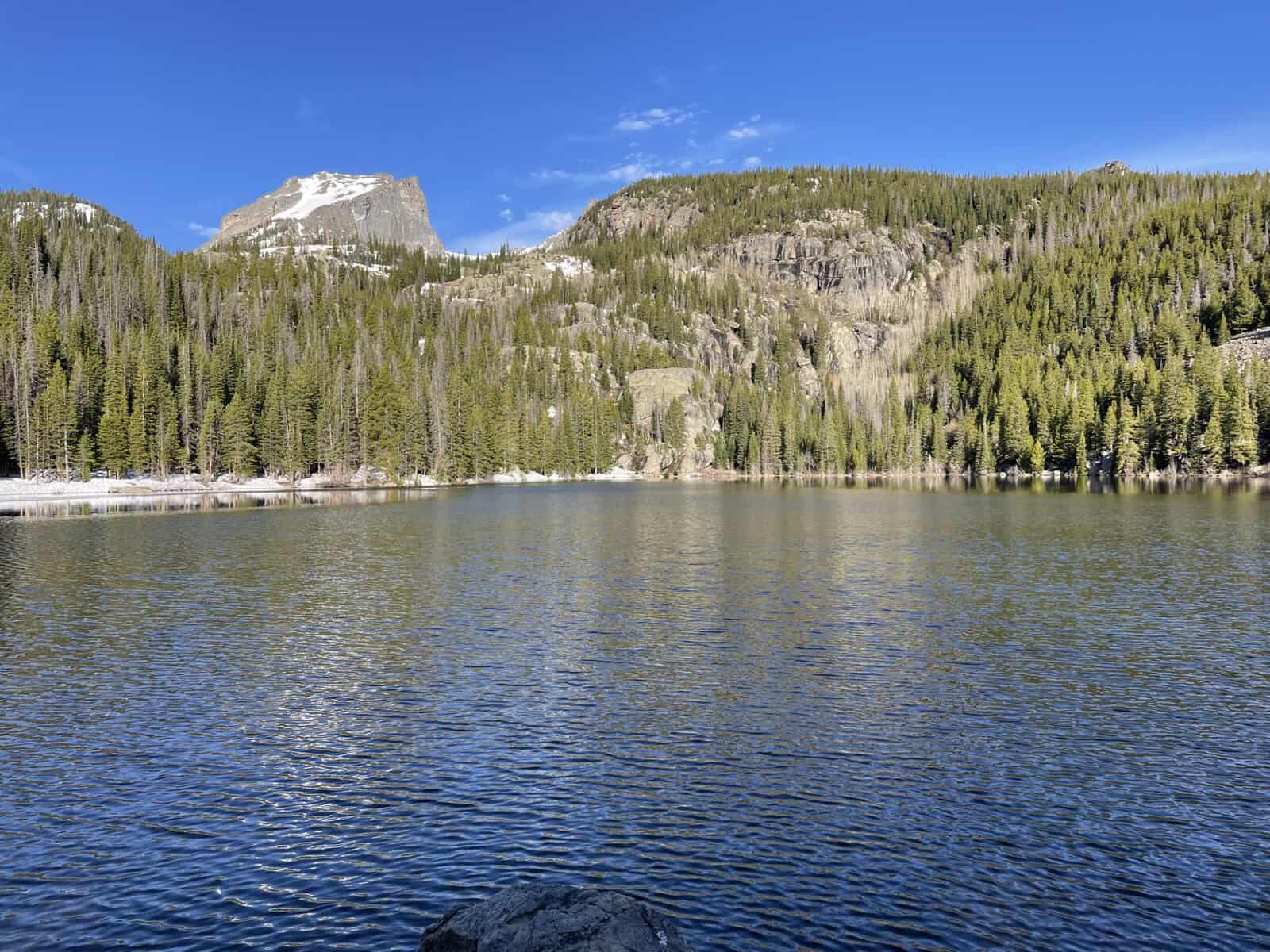
If you miss your reserved 2-hour window for Bear Lake Road, you may be asked to turn around and come back after 2 p.m. Also, if you enter Bear Lake Road and then leave, re-entry is only allowed after 2 p.m.
Reservation Release Dates
Timed entry reservations are typically released about one month in advance. If you know your travel dates, I recommend reserving your entry as soon as reservations are released, especially if you plan to visit the Bear Lake area.
Miss the initial release? The National Park Service also releases a limited number of next-day reservations each evening. These reservations go quickly, so be ready to log in as soon as they become available.
Reservation dates and release times can occasionally change from year to year. Check the National Park Service website before your trip for the most current reservation schedule.
Skip the Planning
If you’d rather not worry about timed entry reservations, park entrance fees, or navigating the park yourself, this guided Glass Top Tour takes care of it all. Timed entry reservations and park entrance fees are included, so you can simply relax and enjoy the scenery while an experienced local guide handles the driving. Complimentary snacks and drinks are also provided.
Which Entrance Should You Use?
If you’re staying in Estes Park, you’ll most likely enter Rocky Mountain National Park through either the Beaver Meadows Entrance or the Fall River Entrance. We used both during our visit, and each is convenient depending on where you plan to explore.
Beaver Meadows Entrance
Located about 10 minutes from downtown Estes Park, Beaver Meadows is the park’s main entrance. It’s the best choice for Bear Lake Road, Trail Ridge Road, and many popular hikes. It’s also home to the Beaver Meadows Visitor Center, where you can pick up maps, check trail conditions, and speak with park rangers.
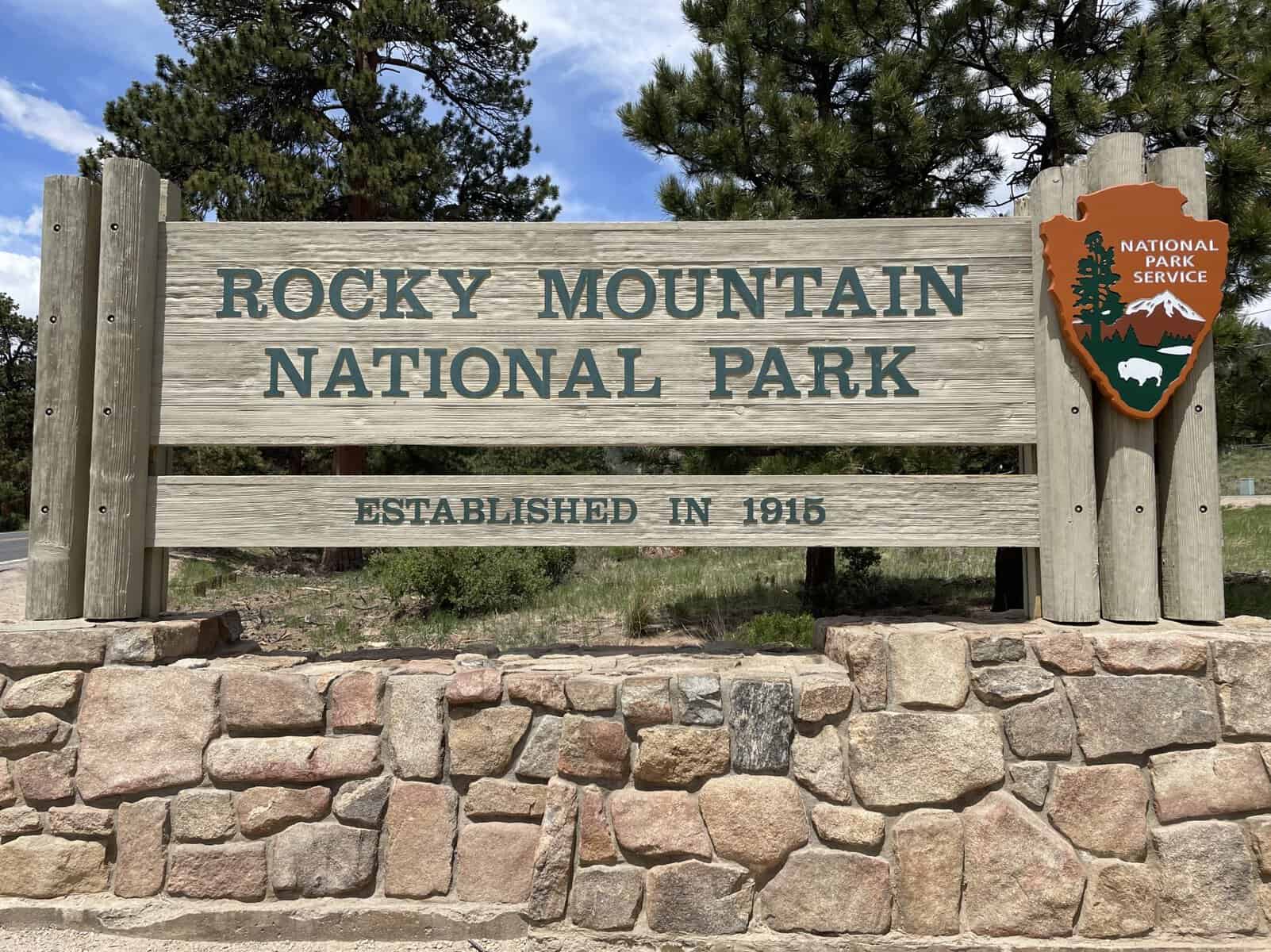
📸 Photo Tip: Stop for a picture at the official Rocky Mountain National Park entrance sign.
Fall River Entrance
About 10–15 minutes from downtown Estes Park, Fall River provides easy access to Sheep Lakes, the Alluvial Fan, Old Fall River Road, and Trail Ridge Road. While there is a small visitor information area nearby, Beaver Meadows is the better choice if you want a full visitor center.
Other Entrances
The Grand Lake Entrance serves visitors staying on the park’s west side, while the Wild Basin Entrance provides access to a quieter section of the park known for its waterfalls and hiking trails.
👉 Download the official Rocky Mountain National Park Map Here.
Understanding the Park Layout
Rocky Mountain National Park is much larger than many first-time visitors expect, covering more than 265,000 acres. Rather than trying to see everything in one day, it’s helpful to understand how the park is organized before you arrive.
- Bear Lake Road Corridor – Home to many of the park’s most popular hikes, including Bear Lake, Alberta Falls, Dream Lake, Emerald Lake, and Sprague Lake.
- Trail Ridge Road – The park’s famous scenic drive connecting Estes Park and Grand Lake, with overlooks, alpine tundra, and the Alpine Visitor Center.
- Moraine Park – One of the best places to spot elk and enjoy wide-open mountain views.
- Many Parks Curve – One of the most popular overlooks on Trail Ridge Road, offering sweeping views across several valleys and mountain ranges. It’s an easy stop that’s well worth adding to your drive.
- Alpine Visitor Center – At nearly 12,000 feet, this is the highest visitor center in the National Park System. When Trail Ridge Road is open, it’s a great place to stretch your legs, enjoy panoramic views, and learn about the alpine tundra.
- Grand Lake Side – A quieter area with forests, hiking trails, and access from the park’s west entrance.
👉To better understand the park’s layout, I recommend reviewing the official Rocky Mountain National Park map before your visit.
Driving Trail Ridge Road
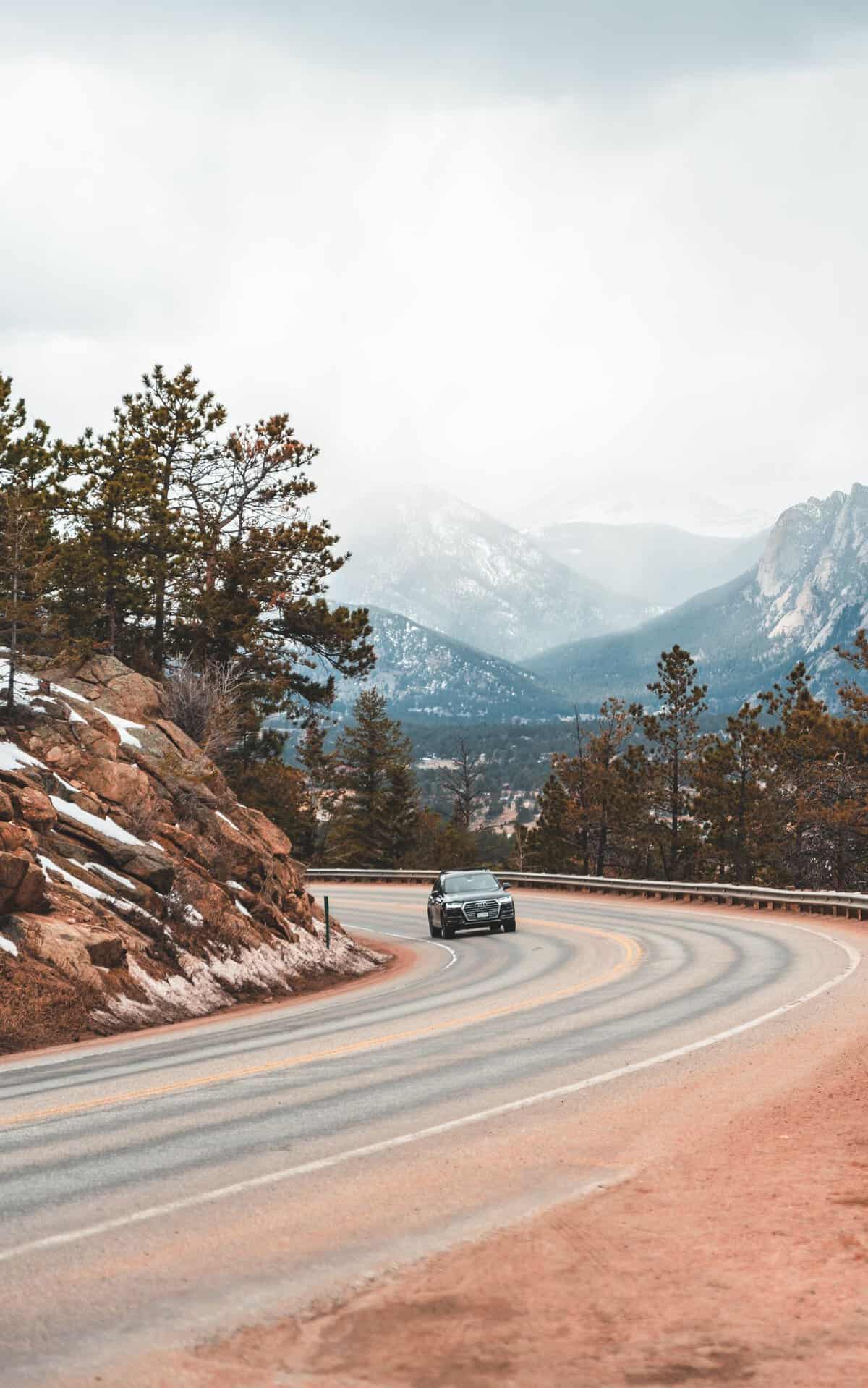
One of the biggest reasons people visit Rocky Mountain National Park is to drive Trail Ridge Road. Stretching 48 miles across the park, it connects Estes Park on the east side with Grand Lake on the west while climbing to more than 12,000 feet. It’s also one of the highest continuously paved roads in North America.
Although Trail Ridge Road had recently reopened during our visit, we chose not to drive the entire route because there were still a few icy patches and we wanted to spend more time hiking. It’s one of the biggest reasons I’d love to return to Rocky Mountain National Park.
Seasonal Closures
Many first-time visitors assume Trail Ridge Road will be open by late spring or early summer, but its opening date depends entirely on snowfall and weather conditions.
Each spring, snowplow crews spend weeks clearing the road. In some years, the walls of snow lining the roadway can exceed six feet high. It’s one of the park’s most iconic sights and helps explain why the road often doesn’t open until late May or even June.
How Long Does It Take to Drive Trail Ridge Road?
Without stops, it takes about 1½ hours to drive from Estes Park to Grand Lake. However, you’ll want to plan at least 3 to 5 hours, or even longer, to stop at overlooks, take short walks, photograph the scenery, and visit the Alpine Visitor Center.
Tips for Driving Trail Ridge Road
As you climb in elevation, weather conditions can change quickly. It’s not uncommon to experience sunshine, wind, fog, or even snow during the same drive. Dress in layers, bring plenty of water, and fuel up before entering the park since there are no gas stations along Trail Ridge Road.
Finally, don’t be surprised by the narrow mountain roads and steep drop-offs. Many sections of Trail Ridge Road have no guardrails, so take your time, drive cautiously, and use the designated pullouts whenever you stop to enjoy the views.
👉Check the status of Trail Ridge Road Here.
Old Fall River Road
If you’re looking for a different way to experience Rocky Mountain National Park, consider driving Old Fall River Road. Built between 1913 and 1920, it was the park’s original route into the high country and offers a more rustic driving experience than Trail Ridge Road.
Unlike Trail Ridge Road, Old Fall River Road is an unpaved, one-way road with narrow switchbacks and a 15 mph speed limit. It begins near the Endovalley Picnic Area on the east side of the park and climbs to the Alpine Visitor Center, where it connects with Trail Ridge Road.
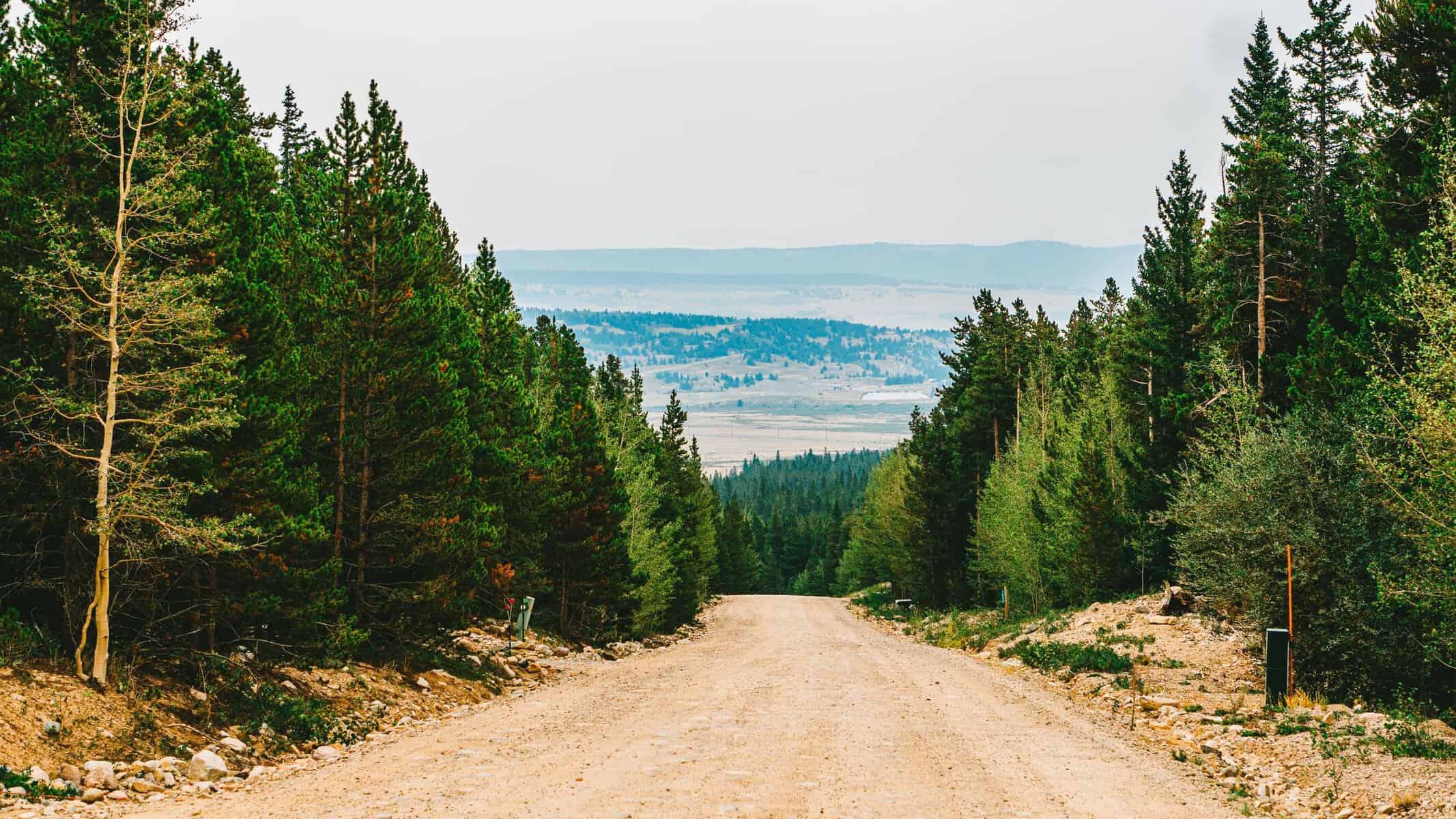
Because of snow and spring road maintenance, Old Fall River Road is typically only open from early July through early October, and it may close temporarily due to weather or maintenance.
👉Check Old Fall River Road and all Park Road Conditions Here.
Prefer a Guided Tour?
This popular Green Jeep Tour includes your park entrance fees, timed-entry reservation, and a local guide. It’s a great way to experience Rocky Mountain National Park without worrying about reservations or driving mountain roads.
Should You Drive or Take the Shuttle?
If you’re visiting Rocky Mountain National Park for the first time, you have two main options for getting around the Bear Lake area: driving your own vehicle or taking the park’s free shuttle.
The free shuttle serves the Bear Lake Road Corridor, stopping at destinations like Bear Lake, Glacier Gorge, Bierstadt Lake, and Park & Ride.
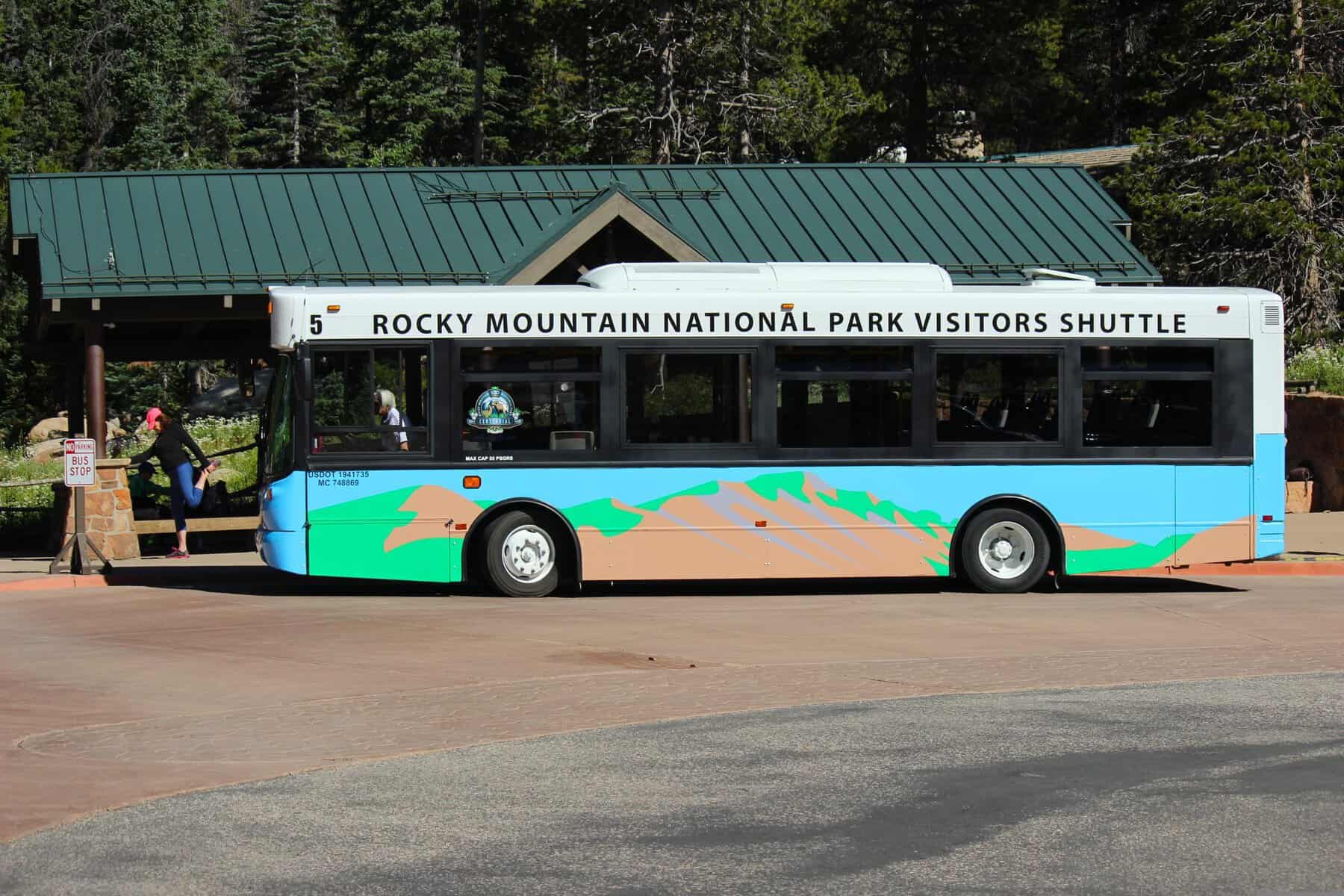
Both driving and taking the free park shuttle are great ways to explore the park. The best option really depends on what time you plan to arrive and which areas of the park you want to visit.
We chose to drive during our visit and entered the park early each morning with timed entry reservations. On two of our visits, we entered around 7:00 a.m. and 8:00 a.m. and had no trouble finding parking. We even found a space in the small parking area near the Alberta Falls trailhead.
If you enjoy having the flexibility to explore at your own pace and don’t mind getting an early start, driving is a great option.
💡My Travel Tip: If you plan to drive, arrive as early as possible. If you prefer a more relaxed start to your day or don’t want to worry about parking, the free shuttle is a convenient and reliable option.
👉Find more details on the shuttle system here.
Best Stops for First-Time Visitors
If this is your first time visiting Rocky Mountain National Park, these are the places I’d recommend adding to your itinerary. They offer a great introduction to the park’s alpine scenery, waterfalls, wildlife, and hiking trails.
Bear Lake
If it’s your first visit to Rocky Mountain National Park, Bear Lake is the perfect place to start. This beautiful alpine lake features an easy 0.6-mile loop trail that’s mostly flat. Along the way, you’ll enjoy incredible mountain views, towering pine trees, and one of the park’s most photographed lakes.
Bear Lake is also the starting point for several of the park’s most popular hikes, including Alberta Falls, Dream Lake, and Emerald Lake, making it a great base for exploring the Bear Lake area.
Alberta Falls
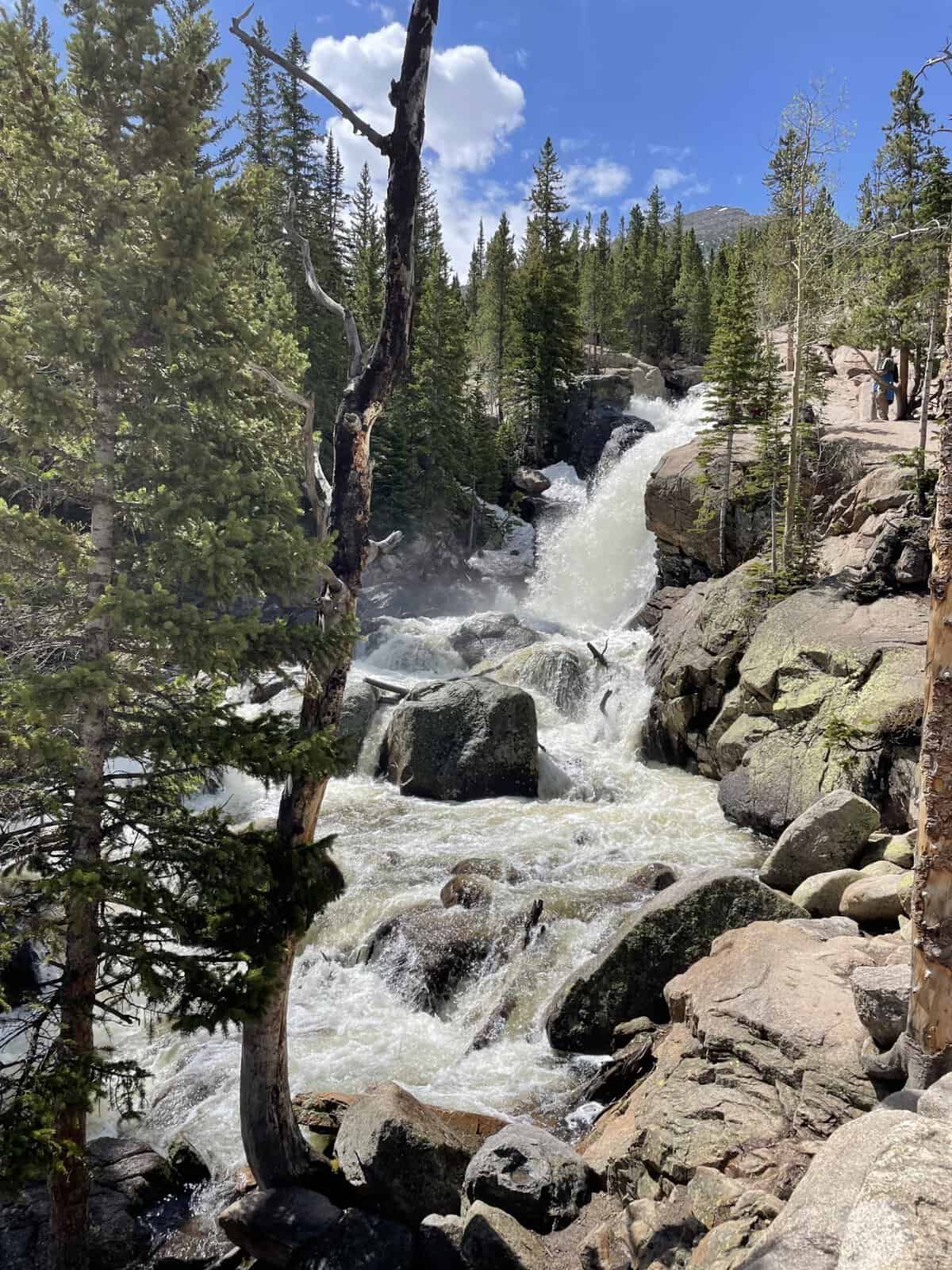
If you’re looking for a hike that’s relatively short but still rewards you with beautiful scenery, Alberta Falls is an excellent choice. From the Glacier Gorge Trailhead, the trail is about 1.6 miles round trip. It follows a wide, well-maintained path for much of the route. While it’s considered beginner-friendly, there are some gradual elevation changes, rocky sections, and a few stairs along the way.
The reward is Alberta Falls, a beautiful waterfall rushing through large granite boulders. It was one of my favorite hikes in the park because it offers a great payoff without requiring a long or difficult trek.
Emerald Lake
If you’re ready for a little more of a challenge, continue past Bear Lake toward Emerald Lake. Along the way you’ll also pass Nymph Lake and Dream Lake, giving you the opportunity to see three beautiful alpine lakes on one hike.
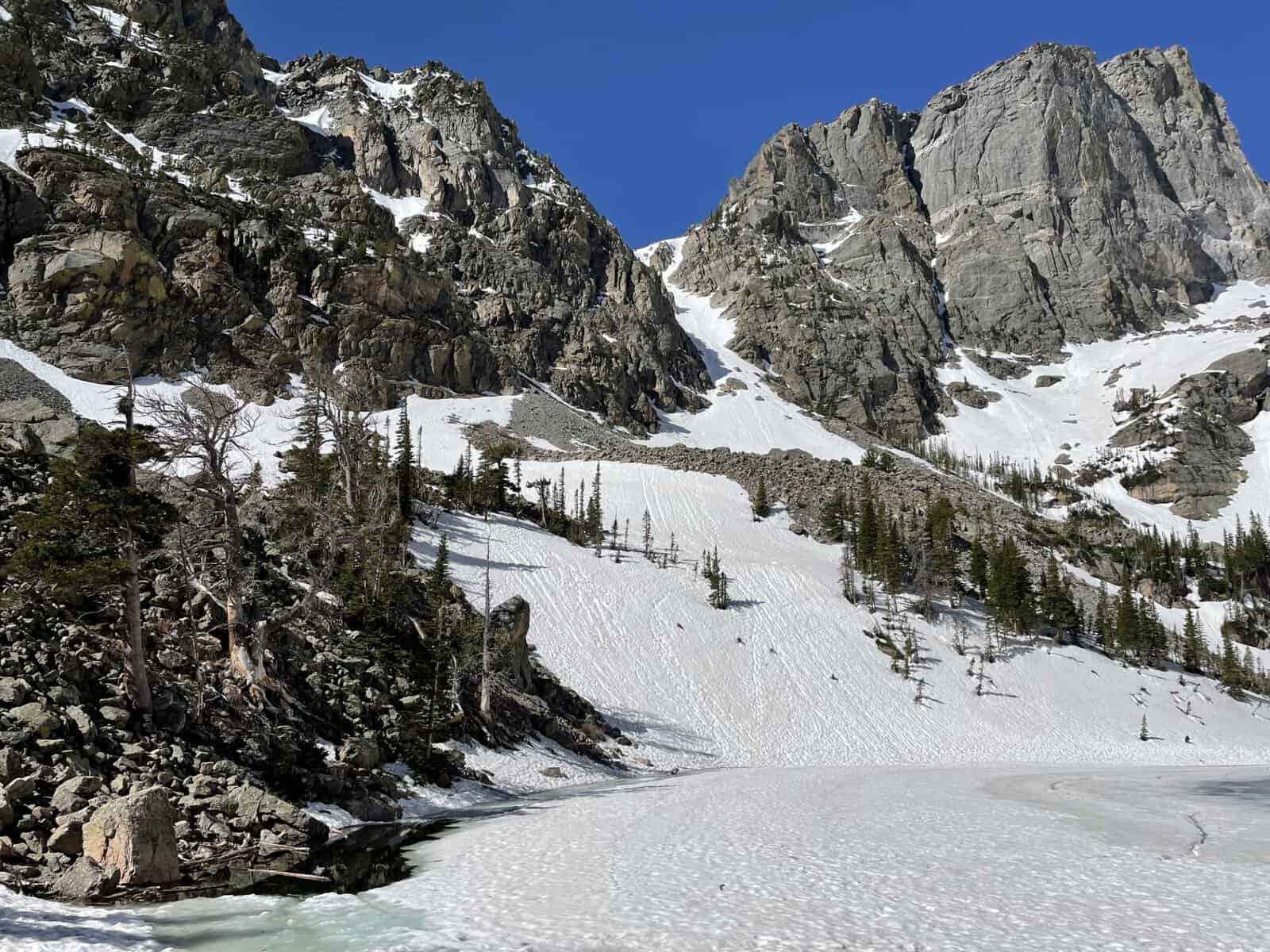
Our visit was in early June, and while the trail started out mostly dry, we encountered packed snow as we climbed higher in elevation. The snow made parts of the trail narrower and slippery, especially near Emerald Lake. We managed fine with hiking boots, but I wish we had brought our microspikes for the slippery sections.
The altitude was another challenge I wasn’t expecting. I definitely noticed the thinner air as we climbed. We simply slowed our pace, took a few breaks, and enjoyed the scenery along the way. It took us about 2 hours to complete the round-trip hike.
Because of the lingering snow, I’d rate the hike as moderate during our visit. I’d love to return later in the summer to experience the trail without the snow.
Sprague Lake
Sprague Lake is one of the easiest and most accessible stops in Rocky Mountain National Park. The mostly flat 0.8-mile loop trail circles the lake, offering beautiful reflections of the surrounding mountains on calm mornings. It’s a great option for visitors who want to enjoy the scenery without tackling a longer hike. Sprague Lake also has picnic tables and is a popular spot for sunrise photography and moose sightings.
Which Hike Is Right for You?
- Bear Lake: Easy • 0.6-mile loop • Best introduction to the park
- Sprague Lake: Easiest • 0.8-mile loop • Accessible and family friendly
- Alberta Falls: Easy to Moderate • 1.6 miles round trip • Beautiful waterfall
- Emerald Lake: Moderate • 3.2 miles round trip • Three lakes and incredible alpine scenery
If you only have time for one hike, I’d recommend Emerald Lake. If you’re looking for an easier option, Alberta Falls offers one of the best scenery-to-effort ratios in the park.
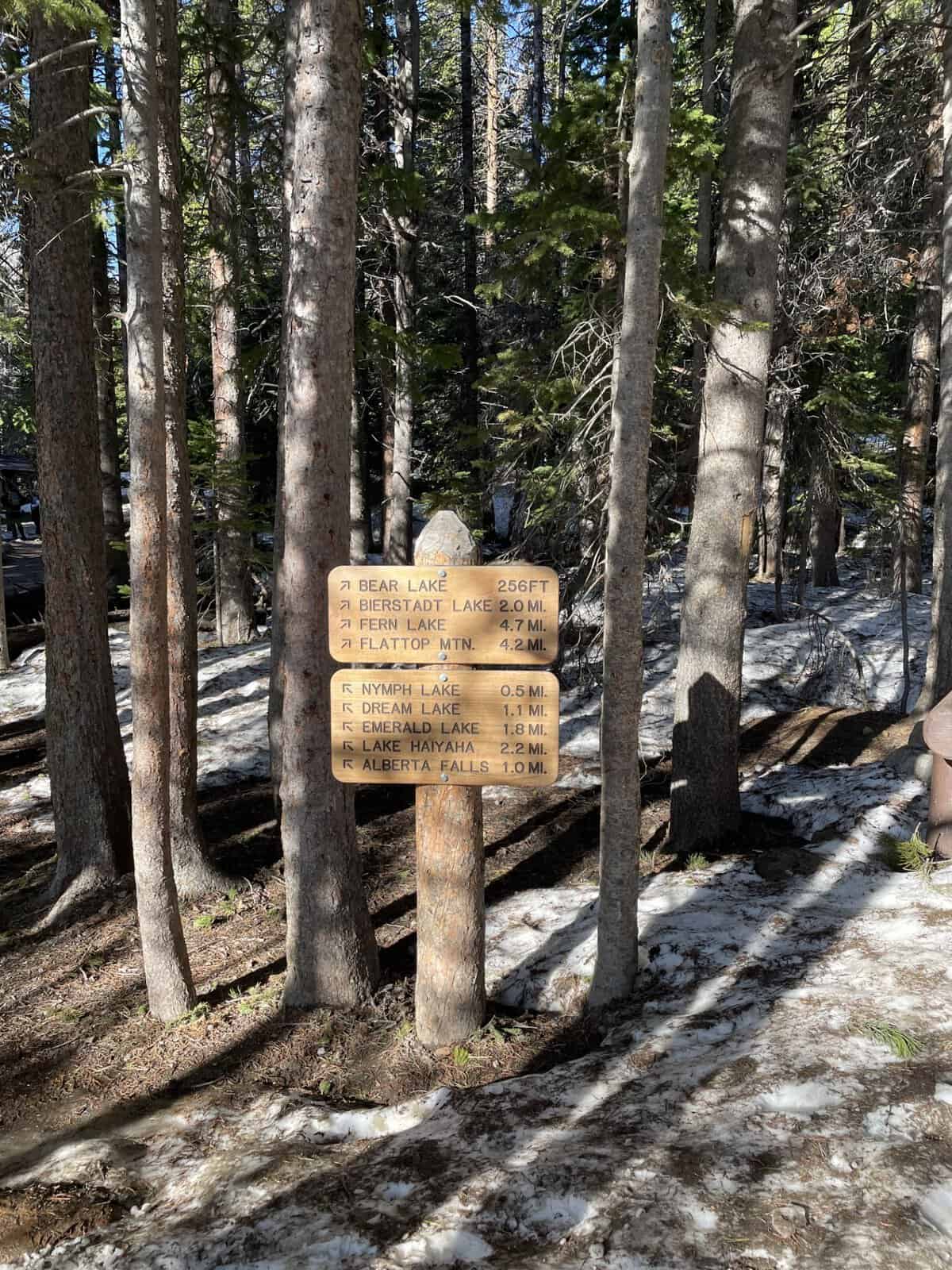
🥾Pro Tip: Most trailheads have signs showing the distance to major destinations. I took a quick photo before starting our hike and found myself referring back to it several times along the way.
Scenic Pullouts
Even if hiking isn’t your thing, you can still experience some of Rocky Mountain National Park’s most spectacular scenery. Scenic pullouts along Trail Ridge Road provide incredible mountain views without requiring much walking.
If the road is open during your visit, don’t miss overlooks like Many Parks Curve, Hidden Valley, and Forest Canyon Overlook. They’re excellent places to stop, stretch your legs, and take photos.
Where to See Wildlife
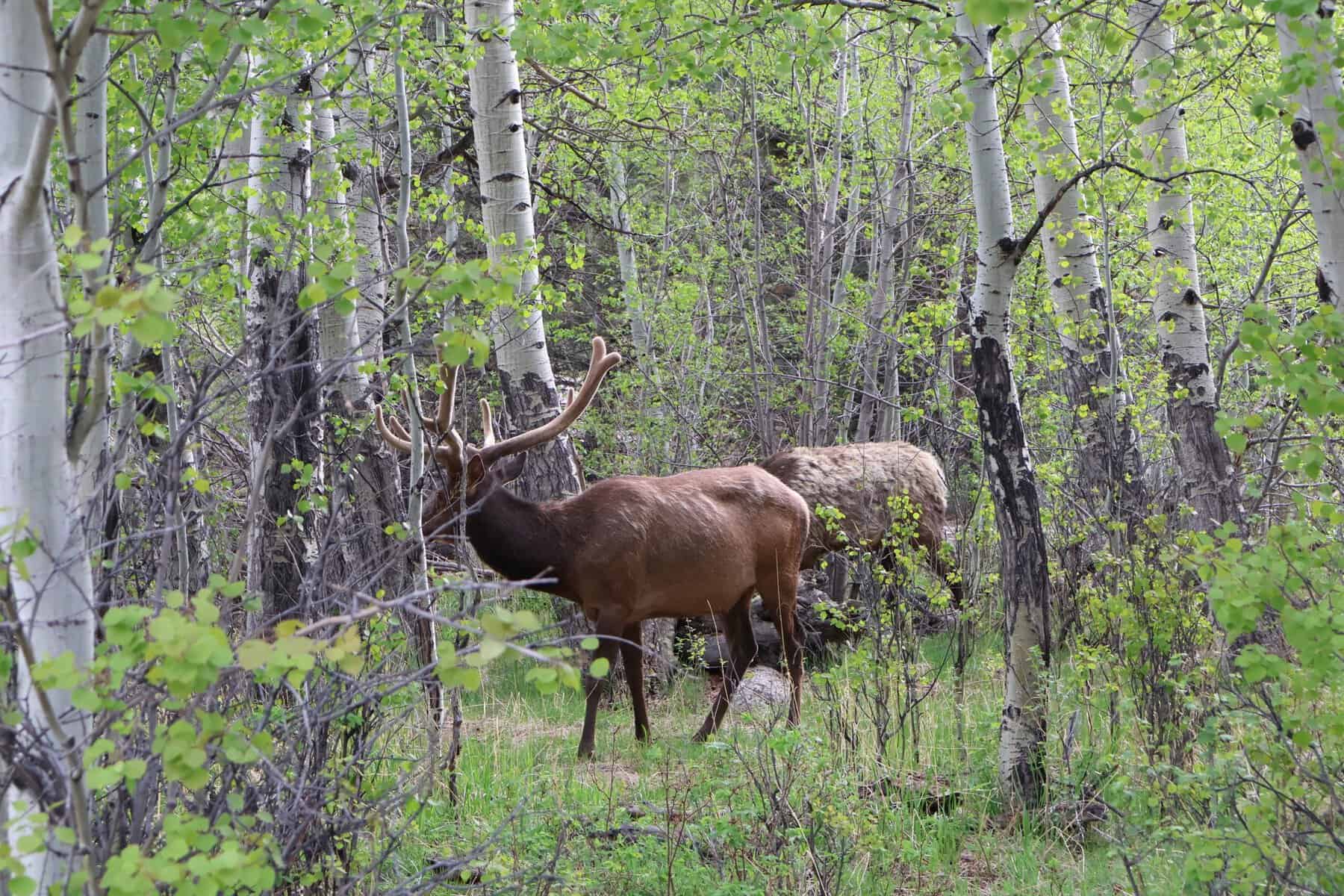
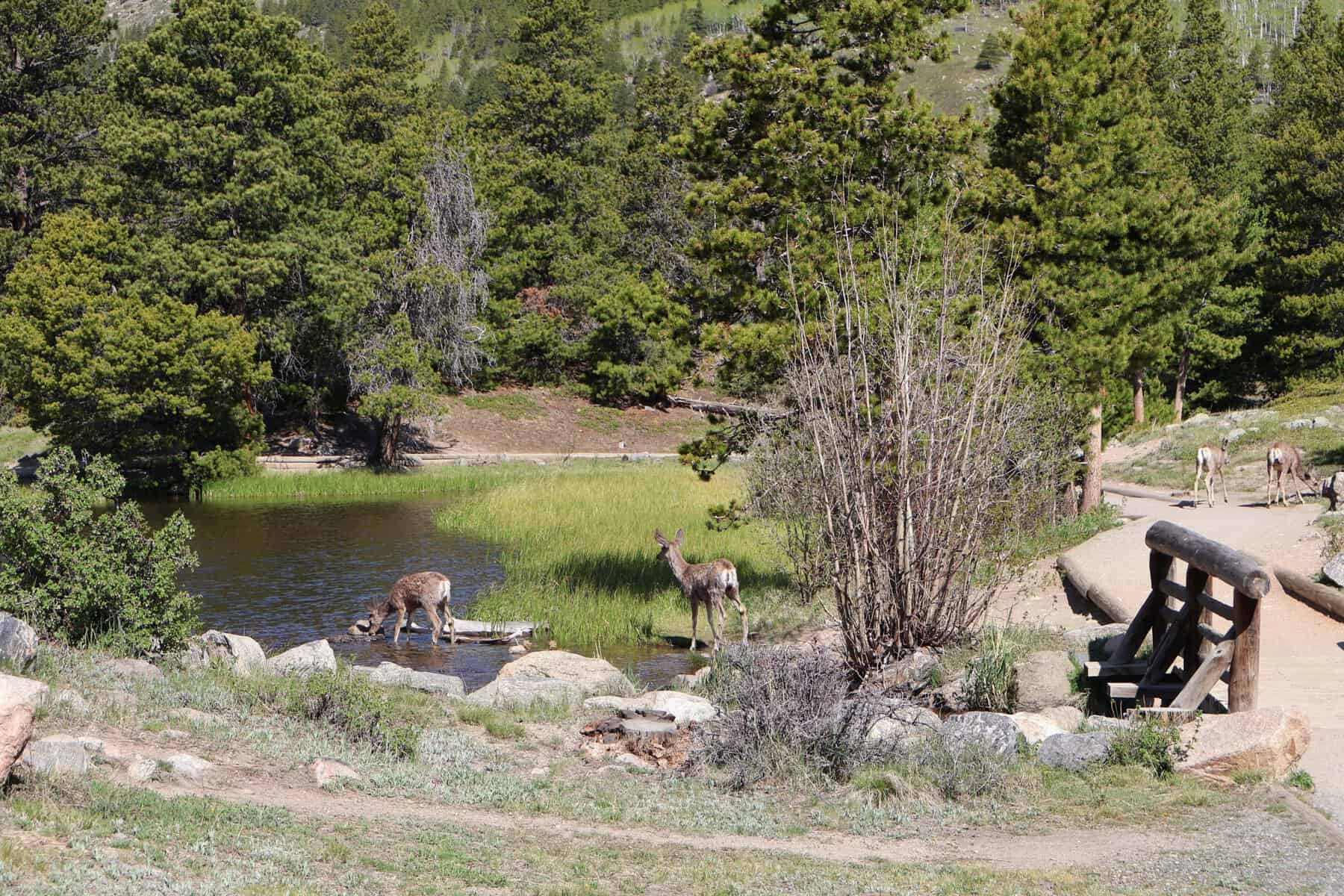
One of the highlights of visiting Rocky Mountain National Park is seeing wildlife in its natural habitat. During our trip we spotted elk, a moose, chipmunks, and plenty of birds. Wildlife watching was one of my favorite parts of the trip.
While there’s never a guarantee you’ll see a particular animal, these are some of the best places to keep an eye out.
Elk
Elk are the easiest large animals to spot in Rocky Mountain National Park. They are often seen grazing in open meadows.
Some of the best places to look include:
- Beaver Meadows
- Moraine Park
- Horseshoe Park
- Sheep Lakes/Alluvial Fan Area
Moose
Seeing a moose was at the top of my Rocky Mountain National Park bucket list. We kept returning to different areas of the park hoping to spot one, and on our last day we finally got our wish. I probably took way too many pictures, even though the moose was still a good distance away. It ended up being one of my favorite memories from the entire trip.
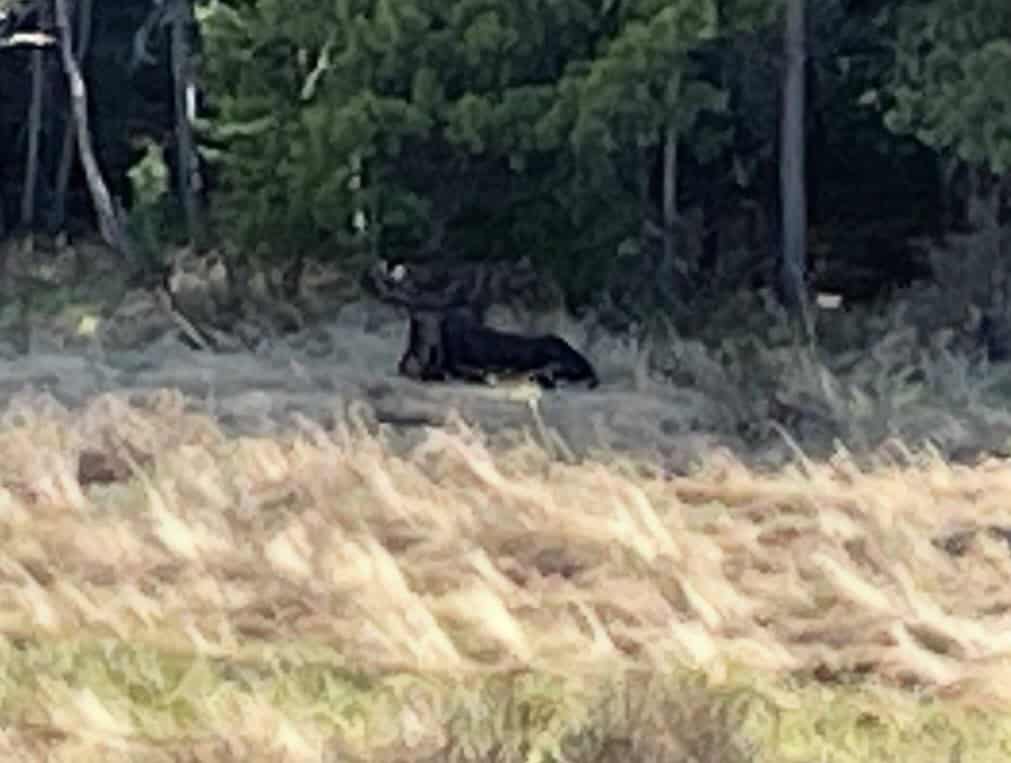
Moose are often found near wetlands, ponds, and marshy areas. Good places to watch include the Sprague Lake area, wetlands throughout the park, and the Kawuneeche Valley on the Grand Lake side of Rocky Mountain National Park.
Bighorn Sheep
One of the best places to look for bighorn sheep is Sheep Lakes, located near the Fall River Entrance. During certain times of the year, sheep gather here to graze and can often be seen from the roadside. They may also be spotted in higher elevation areas throughout the park.
We stopped by Sheep Lakes several times hoping to spot one, but we weren’t lucky this trip. It’s just a reminder that wildlife sightings are never guaranteed, which makes spotting them even more exciting when it happens.
Mule Deer
Mule deer are found throughout Rocky Mountain National Park and are commonly seen along roadsides, meadows, and forest edges. While they may not be as exciting as spotting a moose or elk, you’ll likely encounter several during your visit.
Marmots, Pikas & Chipmunks
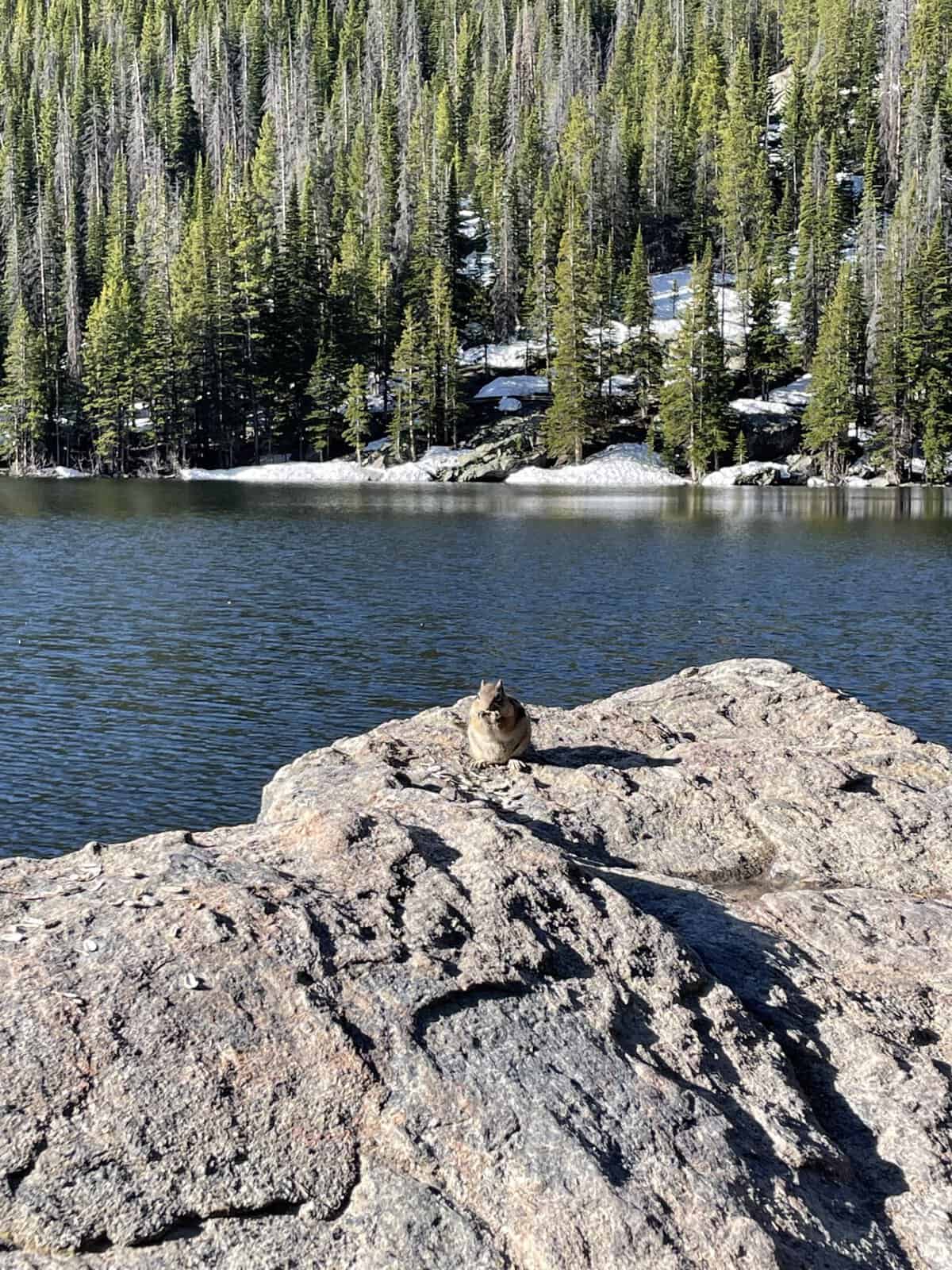
As you explore higher elevations, keep an eye out for yellow-bellied marmots, pikas, and curious chipmunks. We saw several chipmunks during our hikes, and they’re always fun to watch as they dart among the rocks and trees.
Tips for Spotting Wildlife
- Visit around sunrise or sunset when wildlife is most active.
- Slow down and scan open meadows, wetlands, and forest edges.
- Bring a pair of binoculars or a zoom lens for a closer look.
- Be patient. Sometimes the best wildlife sightings happen when you least expect them.
- Always stay a safe distance away and never feed or approach wildlife.
Want the Best Chance to See Wildlife?
A local guide knows where wildlife has been active and can help you maximize your chances of spotting elk, moose, bighorn sheep, and more. This customizable private tour includes timed entry reservations when required.
What to Pack
Packing for Rocky Mountain National Park doesn’t have to be complicated, but a few essentials can make your visit much more comfortable.
Don’t forget to pack:
- 🥾 Sturdy hiking shoes or boots
- 🧥 Layers and a lightweight rain jacket
- 💧 Plenty of water
- 🍎 Snacks for longer hikes
- ☀️ Sunscreen
- 🕶️ Sunglasses
- 🧢 A hat
- 🗺️ Downloaded offline maps since cell service is limited
- 📷 A camera
- 🔭 Binoculars for wildlife viewing
- ❄️ Microspikes (traction devices that fit over your hiking shoes) if you’re visiting in spring or early summer, when snow may still be present on higher elevation trails
- 🥾 Trekking poles, which many hikers find helpful for added stability on steep, rocky, or snowy trails
- A comfortable daypack to carry water, snacks, layers, sunscreen, and other hiking essentials
You probably won’t need every item on this list, but having them will help keep you prepared.
💡 Need Last-Minute Gear? The Columbia Factory Store at the Outlets at Silverthorne is a convenient stop on the way to Estes Park. We picked up a few hiking essentials there before arriving at Rocky Mountain National Park.
My Biggest Tips for First-Time Visitors
After spending several days exploring Rocky Mountain National Park, these are the biggest lessons I learned.
- Arrive early. We entered the park around 7:00 and 8:00 a.m. and had no trouble finding parking. Popular trailheads can fill quickly later in the morning, especially around Bear Lake.
- Don’t underestimate the altitude. Estes Park sits above 7,500 feet, and many popular areas inside the park exceed 10,000 feet. Slow down, drink plenty of water, and don’t push yourself too hard on your first day.
- Don’t assume Trail Ridge Road is open. Even in early June, snow can still affect roads and hiking trails. Always check current road conditions before your visit.
- Pack for changing weather. Bring layers, even if Estes Park feels warm. Temperatures can drop quickly as you gain elevation, and snow is still possible at higher elevations in late spring and early summer.
- Bring microspikes if visiting in late spring or early summer. They’re lightweight traction devices that fit over your hiking shoes. We didn’t end up using ours, but I wish we had carried them on our Emerald Lake hike.
- Most major trailheads have restrooms. You’ll find restrooms at popular areas like Bear Lake, Glacier Gorge, and other major trailheads, but don’t expect facilities everywhere you stop.
- Download offline maps before you arrive. Cell service is limited throughout much of the park, so don’t rely on your phone for navigation.
- Fill up on gas and pack snacks. There are no gas stations inside the park. Having snacks and water makes long days of hiking and sightseeing much more enjoyable.
- Use designated pullouts. If you see wildlife or want to stop for photos, always use a designated pullout rather than stopping in the roadway.
- Practice Leave No Trace. Stay on marked trails and pick up your trash, so future visitors can enjoy the park just as much as you did.
Can You Visit Rocky Mountain National Park in One Day?
If this is your first time visiting Rocky Mountain National Park and you only have one day, you can still see many of the park’s highlights. You’ll just need to prioritize your time.
If you only have one day, I’d recommend focusing on:
- Bear Lake
- Alberta Falls
- Trail Ridge Road (if open)
- A few scenic overlooks
- Wildlife viewing at Moraine Park or Sheep Lakes/Alluvial Fan
I’d save the hike to Emerald Lake for visitors with more time. While it was my favorite hike in the park, it takes a couple of hours to complete. It can make for a very full day if you’re also trying to drive Trail Ridge Road and explore other areas.
FAQ
Here are quick answers to some of the most common questions about Rocky Mountain National Park.
Is Rocky Mountain National Park worth visiting?
Absolutely. The alpine lakes, scenic drives, waterfalls, wildlife, and hiking trails make it easy to see why it’s one of the country’s most visited national parks.
How many days do you need at Rocky Mountain National Park?
You can see many of the highlights in one full day. I recommend spending at least 2 to 3 days if you also want to hike or watch for more wildlife.
Can you visit Rocky Mountain National Park without hiking?
Yes! Many of the park’s best views can be enjoyed from scenic drives, overlooks, and short walks like Bear Lake and Sprague Lake.
Do I need a timed entry reservation?
If you’re visiting between late May and mid-October, you’ll likely need a timed entry reservation in addition to your park entrance pass. The type of reservation depends on which areas of the park you plan to visit.
What is the easiest hike in Rocky Mountain National Park?
Bear Lake and Sprague Lake are two of the easiest hikes in the park. Both feature short, mostly flat loop trails with beautiful mountain scenery.
What animals can you see in Rocky Mountain National Park?
The park is home to elk, moose, bighorn sheep, mule deer, marmots, pikas, chipmunks, and many species of birds. Wildlife is most active around sunrise and sunset.
When does Trail Ridge Road open?
Trail Ridge Road usually opens in late May or early June, but the exact date depends on snowfall and weather conditions each year.
What should I not miss on my first visit?
For a first visit, I wouldn’t miss Bear Lake, Alberta Falls, Emerald Lake, Trail Ridge Road, and spending some time watching for wildlife.
Final Thoughts
Rocky Mountain National Park was my first national park, and now I have the bug to visit more! Hiking to Emerald Lake, Alberta Falls, and finally spotting a moose are some of my favorite memories.
I hope this first-timer’s guide to Rocky Mountain National Park helps you feel more prepared to plan your own trip. With a little planning, an early start, and plenty of time to enjoy the scenery, you’ll be well on your way to an unforgettable adventure.
If you’ve already visited Rocky Mountain National Park, I’d love to hear your favorite hike, scenic drive, or wildlife sighting in the comments below.
Be sure to check out my guide to Estes Park to help you make the most of your visit.👇
