
Travel and Tinsel contains affiliate links and is a member of the Amazon LLC Associates Program. If you make a purchase using one of these Amazon links, we may receive compensation at no extra cost to you. Read my disclaimer for more information.
Located at the meeting point of Switzerland, France, and Germany, Basel offers one of Europe’s most interesting cultural blends. I visited during the Christmas markets, but it quickly became clear that this is a destination worth considering year round.
The Rhine runs through the center of Basel and shapes the city’s layout. The Old Town is compact, public transportation is reliable, and most major attractions are within walking distance. It is easy to combine historic sites, museums, and time along the river in a single day.
This guide covers the best things to do in Basel, including must see sights, art museums, river experiences, seasonal highlights, and why the city deserves more than a quick visit.
Basel At a Glance
Best For: Culture lovers and easy international day trips
Ideal Stay: 2 to 3 days
Vibe: Walkable, art focused, relaxed
Unique Factor: Three countries within easy reach
Best Time to Visit: December for markets, late spring and early fall for weather
Best Place to Stay: Motel One Basel
Best Luxury Stay: Grand Hotel Les Trois Rois
Suggested Walking Route: See the self guided route below
Is Basel Worth Visiting?
Yes, Basel is worth visiting, especially if you enjoy culture, character, and location over major landmarks. Basel’s character reflects its cross border location, blending Swiss structure with French and German influence. You hear it in the languages around you, taste it in the food, and see it in the museums and architecture. The city feels local and authentic first, visitor friendly second.
Basel also works exceptionally well as a home base for day trips. It is easy to navigate, yet perfectly positioned for seeing France and Germany, along with easy train connections across Switzerland.
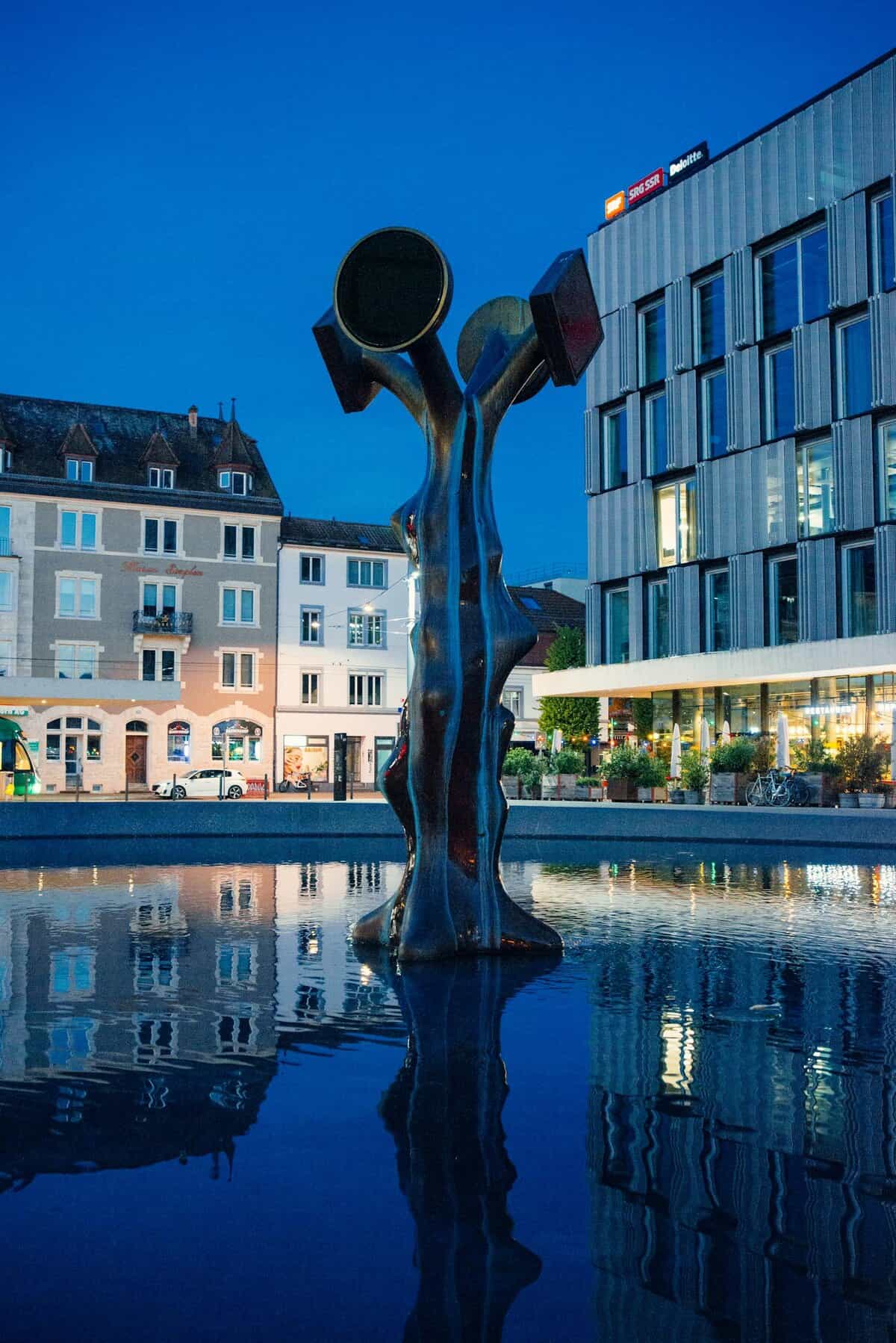
If you are looking for headline attractions, Basel may feel understated. But if you appreciate art, local culture, and the flexibility to explore three countries from one hotel, Basel is absolutely worth your time.
Best Things to Do in Basel
Whether you are visiting for a weekend or planning a longer stay, there is plenty to fill your time. Medieval gates, river viewpoints, world class art museums, and everyday local spaces are all within easy reach. These are the best things to do in Basel for a well balanced visit.
1. Explore Spalentor and Basel’s Old Town
Spalentor is one of the best preserved medieval city gates in Switzerland and a great place to start exploring. Standing in front of it gives you an immediate sense of Basel’s history before you even step fully into the Old Town.
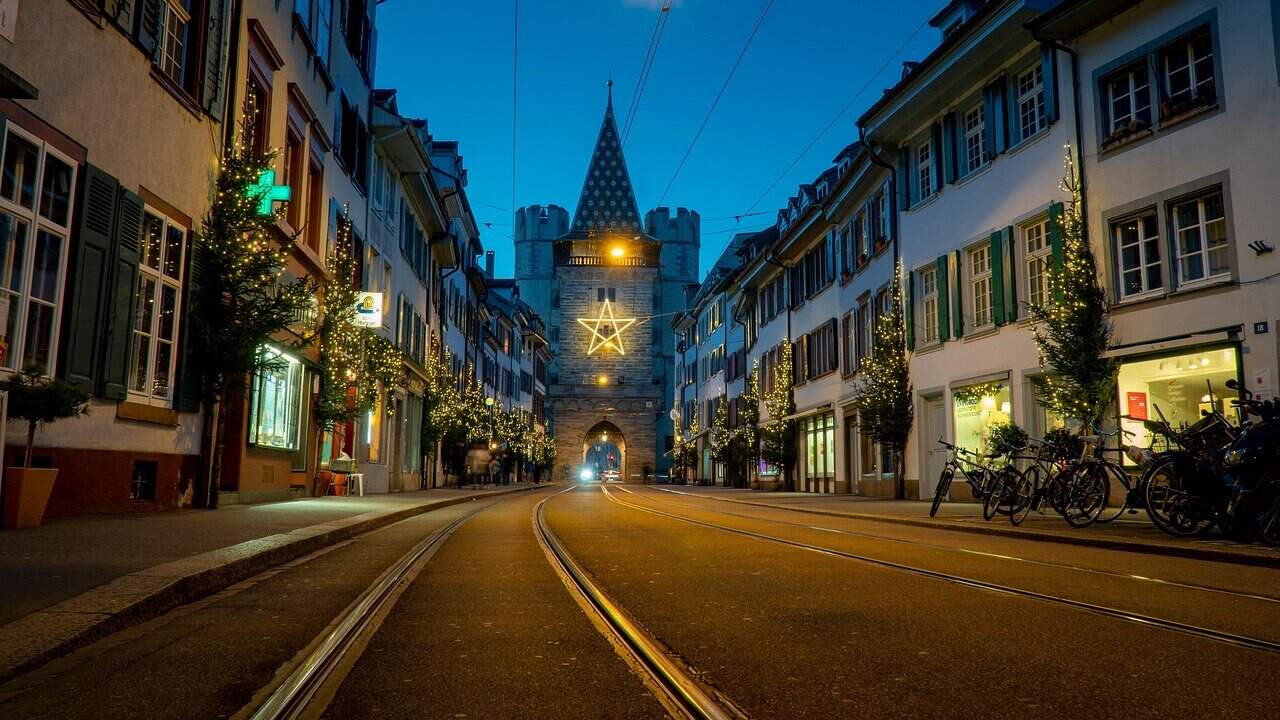
From Spalentor, wander through the streets of Basel Old Town. This area is made for walking. Narrow streets, small squares, and local shops make it feel lived in rather than tourist focused. Streets like Spalenberg are especially nice for slow wandering and casual exploring.
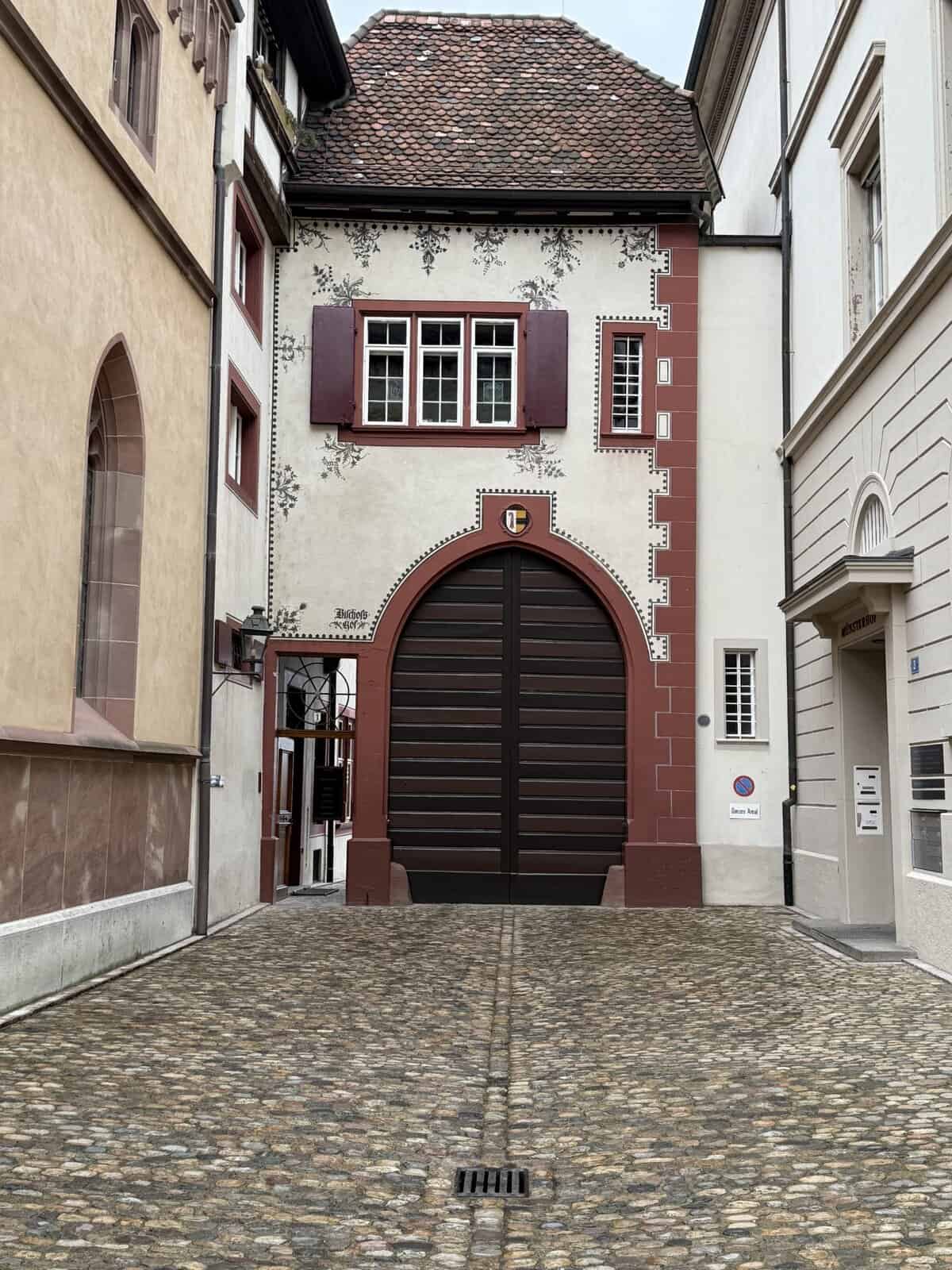
Many buildings in the Old Town hide small inner courtyards behind heavy wooden doors. If you notice one open, step inside. These quiet spaces often feature fountains, painted walls, or carved details that you would miss from the street and offer a more intimate look at Basel’s history.
If you prefer more structure, this 2-hour guided historical walking tour of Basel covers key landmarks and offers deeper context without requiring a full day commitment.
👉Check availability for the historical walking tour
2. See Basel Town Hall and Marktplatz
Basel Town Hall is one of the city’s most recognizable buildings, thanks to its deep red façade and detailed painted murals. Located on Marktplatz, it has served as the seat of government since the 16th century and remains an active civic building today.

Even if you do not go inside, the exterior alone is worth seeing. The courtyard is open to visitors and offers a closer look at the architecture and decorative details. Marktplatz itself is lively throughout the year, with a daily market, nearby cafés, and easy access to surrounding Old Town streets.
This is a great first stop before wandering into the Old Town or visiting nearby museums.
3. Visit Basel Minster and Pfalz Viewpoint
Basel Minster is another one of the city’s most recognizable landmarks and a highlight of the Old Town. Built between the 12th and 14th centuries from red sandstone, it blends Romanesque and Gothic architecture and sits prominently above the Rhine.
Inside, you will find colorful stained glass windows, historic tombs, and a quieter atmosphere than many larger European cathedrals.
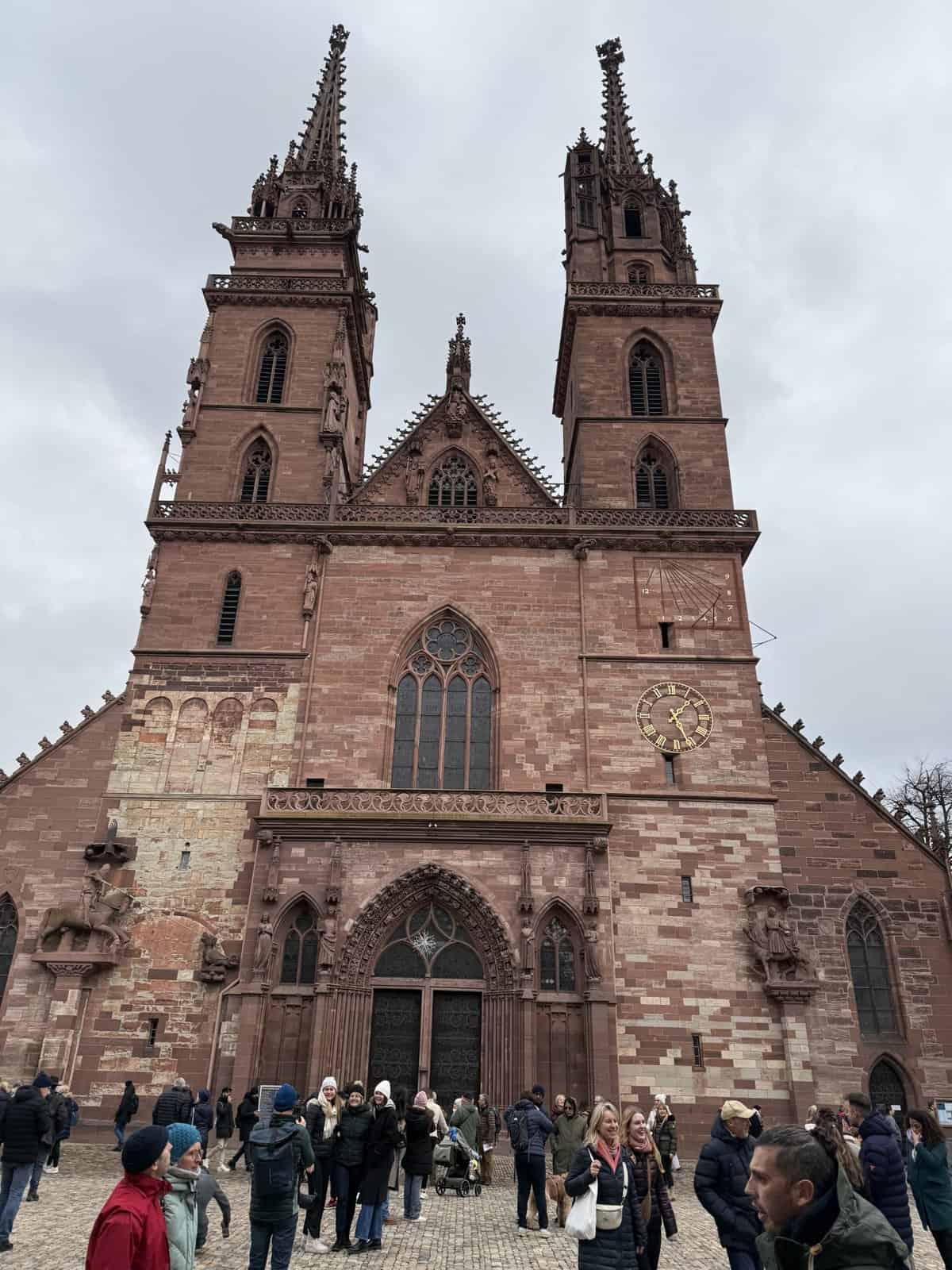
If you are up for a short climb, St. Martin’s Tower rewards you with wide views over Basel’s rooftops and down to the Rhine. The ascent includes about 250 narrow stone steps and usually takes 5 to 10 minutes at a steady pace. The staircase is tight and spiral in sections, which adds to the medieval atmosphere, but the climb itself is brief and manageable for most visitors.
Even if you only explore the exterior, the open square and nearby Pfalz terrace offer some of the best views in Basel.
4. Enjoy One of the Best Rhine Views at Pfalz
Just behind Basel Minster is Pfalz, one of the best and easiest viewpoints in Basel. This open terrace sits on the former site of the bishop’s residence and overlooks the Rhine and the rooftops of Kleinbasel. It gives a clear sense of how the river has shaped the city for centuries.
This is a great stop if you want a quiet moment or a short break. Benches line the edge, so you can sit and watch boats move along the water below. Pfalz works well at any time of day, but late afternoon light over the river is especially nice and makes it easy to see how the Rhine divides Grossbasel and Kleinbasel.
5. Walk Across Mittlere Brücke
A walk across Mittlere Brücke is simple but essential. This historic bridge connects Grossbasel and Kleinbasel and offers one of the easiest ways to experience the Rhine up close.
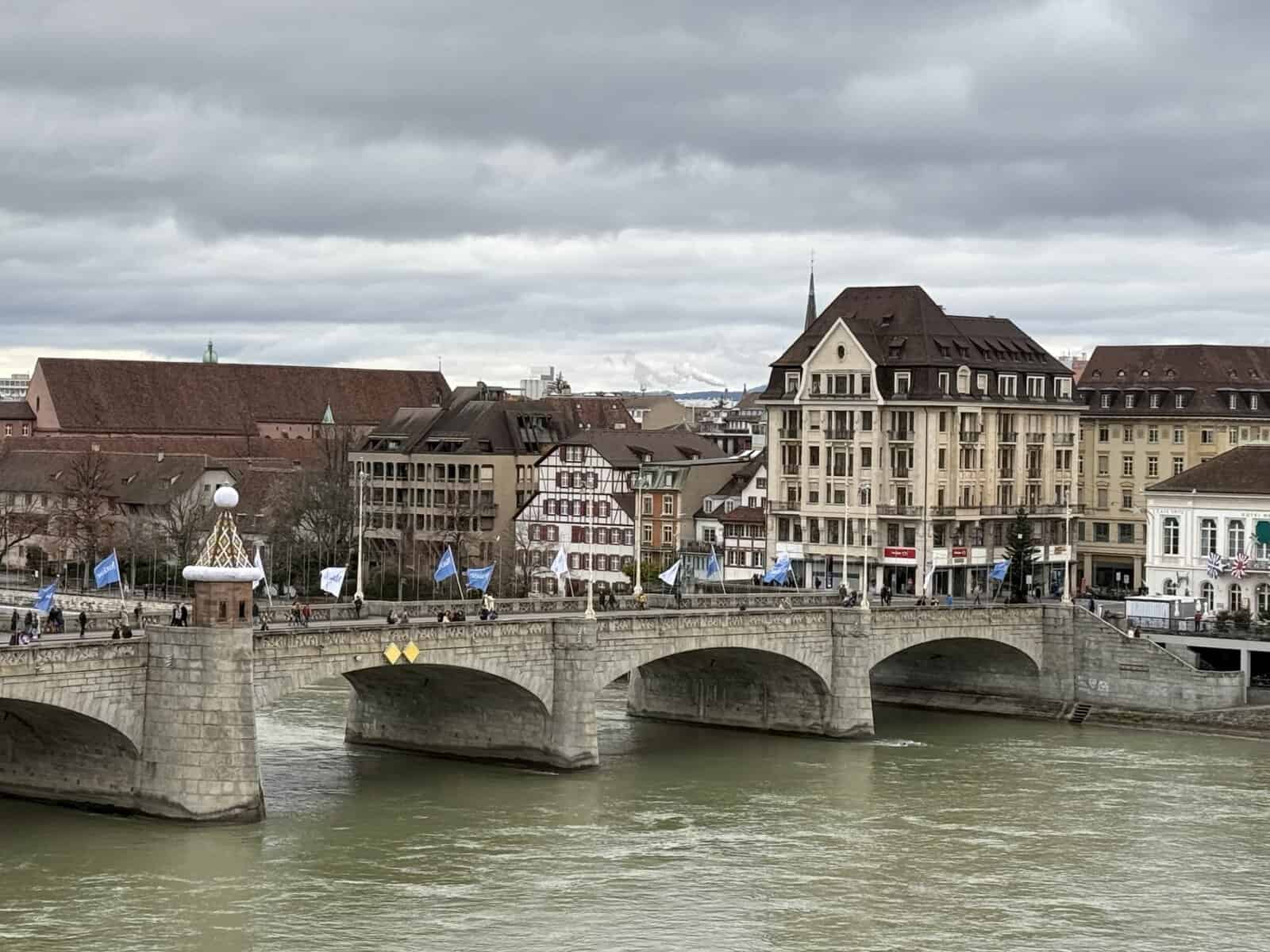
Here you can watch daily life unfold. Locals cross on foot, trams move steadily through the center, and the river flows beneath you. The walk takes only a few minutes, but it fits easily into any itinerary and often becomes one of the most memorable parts of a visit to Basel.
Suggested Basel Walking Route
If you prefer to see the highlights in one continuous stroll, start at Spalentor and walk into the Old Town toward Barfüsserplatz. Continue up to Basel Minster and the Pfalz terrace for river views, then head to Basel Town Hall and Marktplatz. Cross Mittlere Brücke and finish in Kleinbasel to experience a more local side of the city.
This route connects many of Basel’s top sights without backtracking and can easily fill a relaxed half day.
👇Save this walking map to your phone for easy reference!👇
6. Visit One of Basel’s World Class Art Museums
Basel’s art scene is one of the main reasons the city stands out. For its size, the number and quality of museums here is impressive, and you do not need to be an art expert to appreciate them.
The most well known is Kunstmuseum Basel, considered one of the oldest public art collections in the world. Its galleries span multiple centuries and are a great choice if you want a broad introduction to Basel’s cultural reputation.
If modern and contemporary art is more your style, Fondation Beyeler is a good option. Located in Riehen just outside the city center, it showcases major exhibitions in a space known for its architecture and peaceful setting.
Many of Basel’s museums are close together, so it is easy to choose one or two without overplanning your day. Visiting at least one is one of the best ways to understand why Basel is considered a cultural capital despite its modest size.
7. Spend Time Along the Rhine
The Rhine is not just something you look at in Basel. It is part of daily life, and spending time along the river helps you understand the city much better.
One easy way to experience it is on a short river cruise. These boat trips give you a relaxed view of Basel from the water and help you see how the neighborhoods connect. They are a good option if you want a slower activity or a break from walking, especially if you are short on time.
In warmer months, swimming in the Rhine is a distinctly local tradition. Locals float downstream with their belongings packed into a waterproof swim bag known as a Wickelfisch. If you do not have one, they are available to rent in summer, and designated entry and exit points make the process organized and safe.
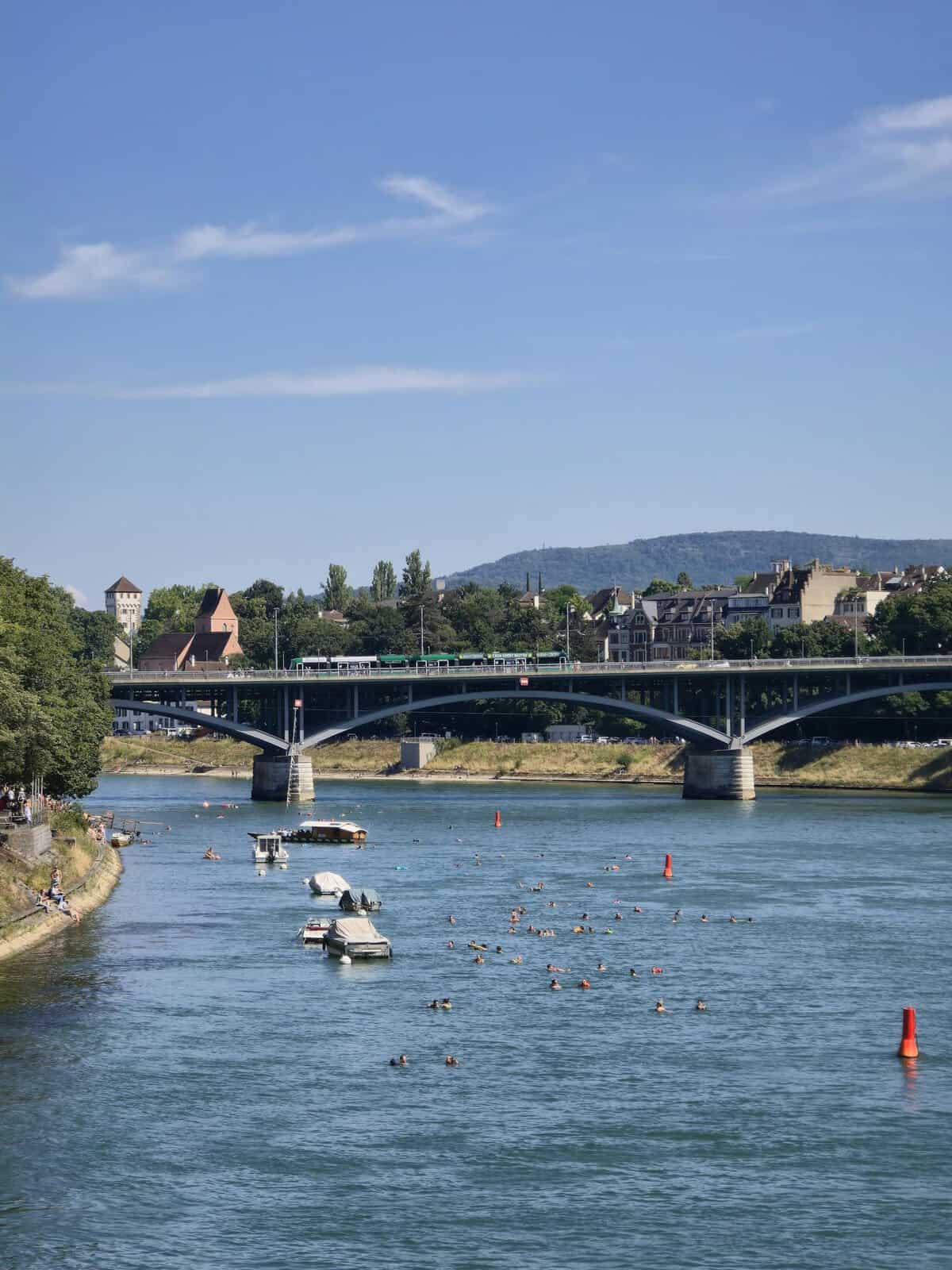
Even if you skip the water, the riverside paths are worth your time. Benches, cafés, and open spaces line the banks, making it easy to pause and watch daily life unfold. This is where Basel feels most lived in and gives you a better sense of how locals actually use the city.
8. Visit Basel Zoo and Enjoy the City’s Green Spaces
A visit to Zoo Basel offers a relaxed way to spend a few hours in the city. Opened in 1874, it is one of the oldest and most respected zoos in Europe, known for its spacious enclosures and strong conservation focus. It is a great option for families, couples, and solo visitors who want an easy outdoor outing.
The zoo is small enough that you do not need a full day to enjoy it. It works well alongside a walk through nearby neighborhoods or along the Rhine.
Beyond the zoo, green spaces are woven throughout Basel. Parks, river paths, and small open areas are used daily for walking, sitting, and taking breaks, which helps explain why the city feels calm even when it is busy.
9. Explore Kleinbasel
Cross the Rhine to explore Kleinbasel, the newer and more residential side of the city. While Grossbasel holds most of the historic landmarks, Kleinbasel feels more contemporary, with casual restaurants, local bars, and riverside gathering spots that are especially lively in warmer months.
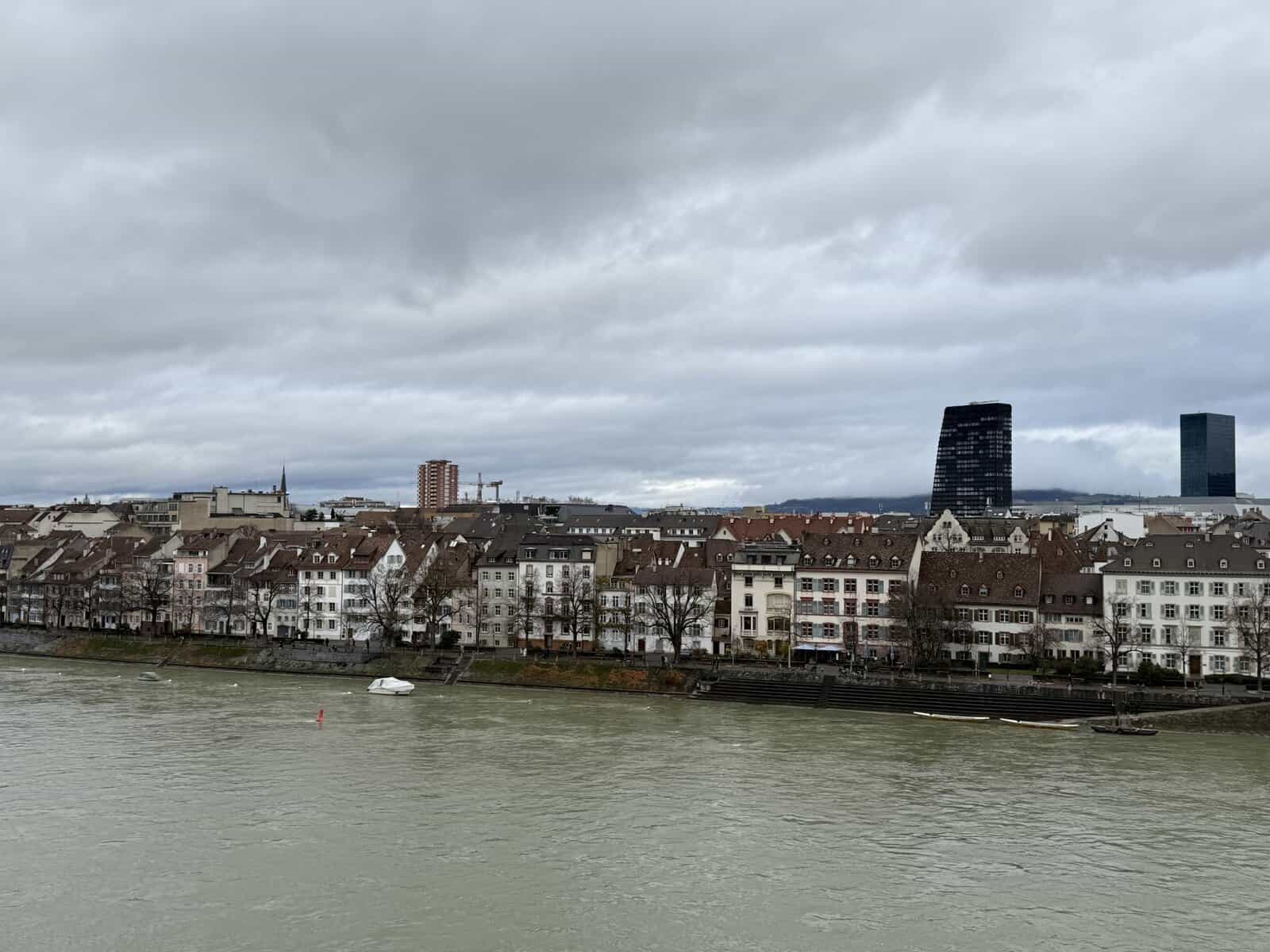
Walking through this area gives you a different perspective on Basel. It feels less focused on sightseeing and more connected to daily life, making it a worthwhile contrast to the Old Town.
Food and Nightlife Scene in Basel
Restaurants in Basel reflect the city’s mix of cultures. You will find Swiss classics alongside French and German influences, and meals tend to be unhurried. Dining out feels social and easy, with plenty of places where you can settle in for the evening.
For a traditional experience, Restaurant Schlüsselzunft is a reliable choice in the Old Town. Set in one of Basel’s oldest guild houses, it serves seasonal Swiss cuisine in a historic setting that is comfortable and welcoming.
If you are interested in Basel’s strong culinary reputation, Cheval Blanc by Peter Knogl is one of the city’s most acclaimed restaurants. Located inside the Grand Hotel Les Trois Rois, it is a destination for fine dining and worth considering if you are planning a special evening.
Cafés play a big role in daily life. You will see people stopping for coffee, meeting friends, or lingering with a drink throughout the day. Neighborhood cafés are just as important as places in the Old Town, and some of the best spots are a short walk away from major sights.
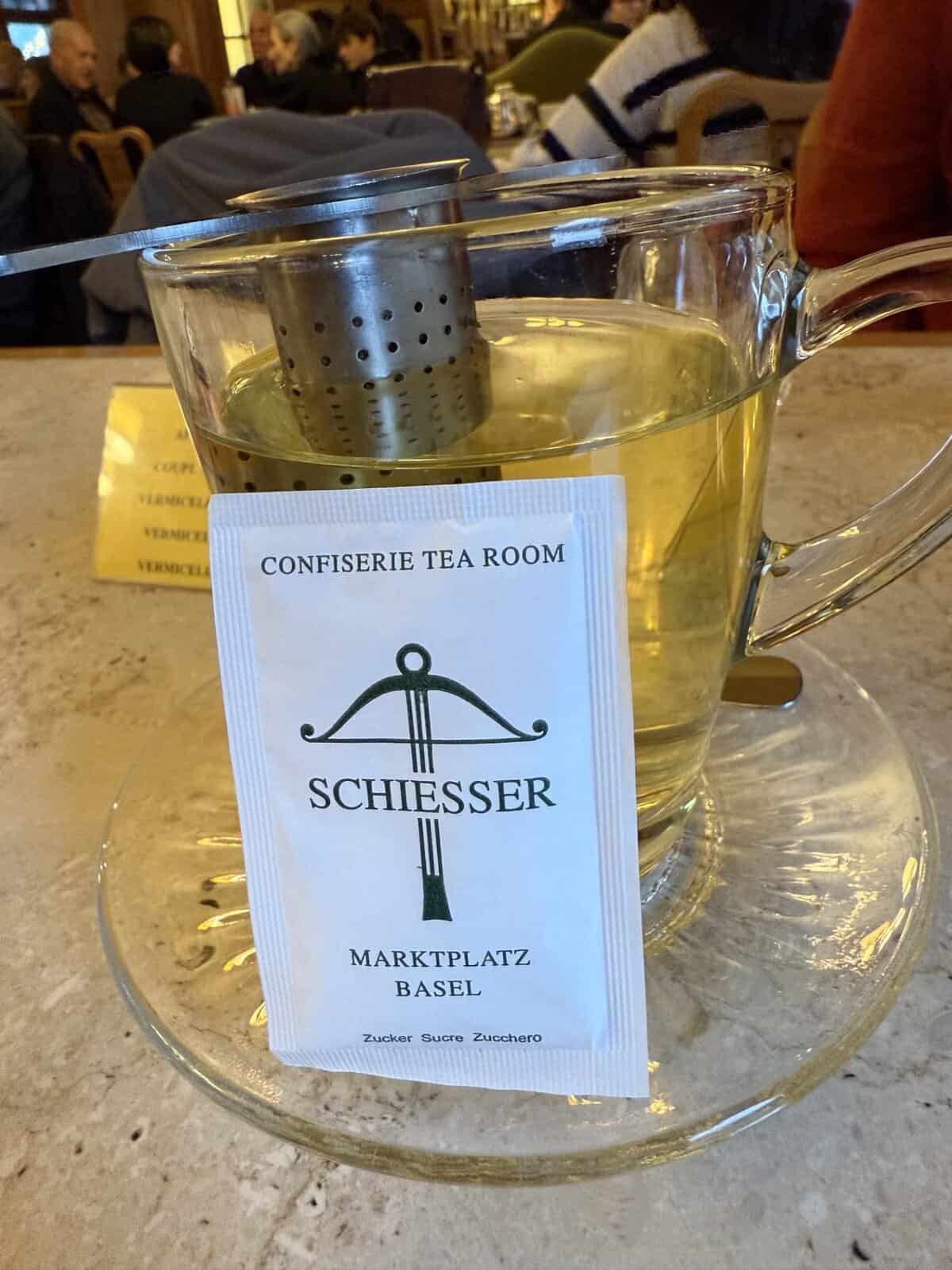
One of my favorites was the elegant Confiserie Schiesser tea room, just across from Basel Town Hall. It is an easy stop while exploring the Old Town. I stopped here during my visit and loved the view out over Marktplatz. It is a good place for coffee, pastries, or a light lunch, and in winter it makes a particularly cozy break from walking.
Nightlife in Basel is low key but active. Bars and wine spots tend to fill up in the evenings, particularly in Kleinbasel and near the river. Rather than late night clubs, the focus is on conversation and relaxed drinks, making it easy to find a place that feels welcoming without being loud or crowded.
🎄Basel Christmas Markets: A Seasonal Highlight
Basel’s Christmas markets are some of the most well known in Europe and a popular stop for Rhine river cruises during the holiday season. I visited during the markets, and it quickly became clear why they draw so much attention. The setting alone makes them stand out. Historic squares, medieval streets, and the glow of winter lights create an atmosphere that feels festive.
Throughout December, multiple markets fill the city center, with the largest at Barfüsserplatz and Marktplatz. Wooden stalls line the squares selling handcrafted gifts, ornaments, and regional specialties. The scent of roasted chestnuts and mulled wine drifts through the streets, and the scale of the markets makes them easy to explore without feeling overwhelming.

One of the highlights is the market directly in front of Basel Minster. In winter, the red sandstone façade glows warmly under the lights. I spent time here wandering between stalls, warming up with seasonal treats, and simply taking in the atmosphere.
In the evening, the markets feel even more atmospheric. Lights reflect in Old Town windows, choirs occasionally fill the air, and the overall pace slows in a way that feels distinctly European. Even outside official market hours, the decorations and illuminated streets make December in Basel worth planning around.
For full details on dates, locations, and tips, see my complete Basel Christmas Market guide.
Seasonal Highlights Beyond Christmas
Basel is enjoyable year round, and two major annual events define the city’s cultural calendar beyond the Christmas markets. Around those anchor moments, each season offers a slightly different way to experience the city.
🥁 Basel Carnival (Basler Fasnacht)
Held in late February or early March, Basler Fasnacht is Basel’s most important cultural event and one of the most distinctive carnivals in Europe. It begins at 4:00 a.m. with Morgestraich, when the city center goes dark and illuminated lanterns move through the streets accompanied by drums and piccolos.
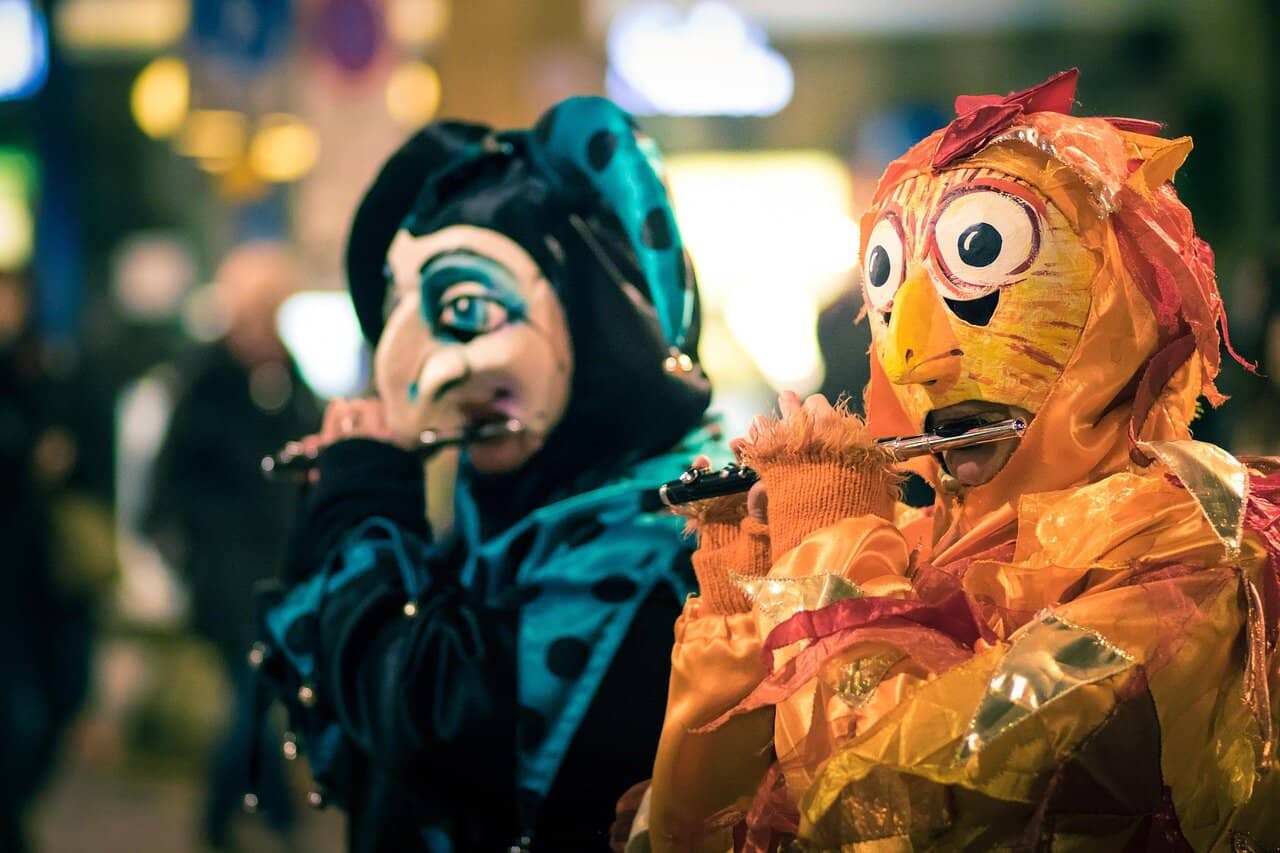
The festival continues for three days with costumed groups, satirical performances, and music that feels deeply rooted in local tradition. This is not a tourist focused event but a community celebration, which makes it one of the most authentic times to visit if you want to see Basel at full energy.
🎨 Art Basel
In June, the internationally renowned Art Basel transforms the city into a global art hub. Collectors, galleries, and artists from around the world gather for one of the most influential contemporary art fairs anywhere.
Hotels book early, restaurants fill quickly, and exhibitions extend beyond the fairgrounds into museums and pop up spaces across the city. Even if you are not attending the fair itself, the broader art atmosphere reinforces Basel’s reputation as a cultural capital.
🌸 Spring and Riverside Life
April and May bring milder weather and longer days. Riverside paths become more active and café terraces reopen. Walking the Old Town feels more comfortable thanks to better weather and before peak summer crowds arrive.
☀️ Summer on the Rhine
Warm weather means locals take to the river. Swimming with a Wickelfisch swim bag, relaxing at riverside cafés, and long evenings outdoors are quintessential Basel summer experiences. Summer also brings open-air concerts, festival events, and extended café hours. If swimming in the Rhine is on your list, this is the time to visit.
🍂 Autumn Calm
September and October offer steady weather and fewer visitors. It is an ideal time for museum visits, exploring neighborhoods, and easy train trips into France or Germany without high season crowds.
🚆Easy Day Trips From Basel
Basel works exceptionally well as a home base. You can stay in one place and explore three countries without long travel days. France and Germany are both a short train ride away, making day trips simple and practical.
Here are some of the most popular day trips from Basel:
Colmar, France
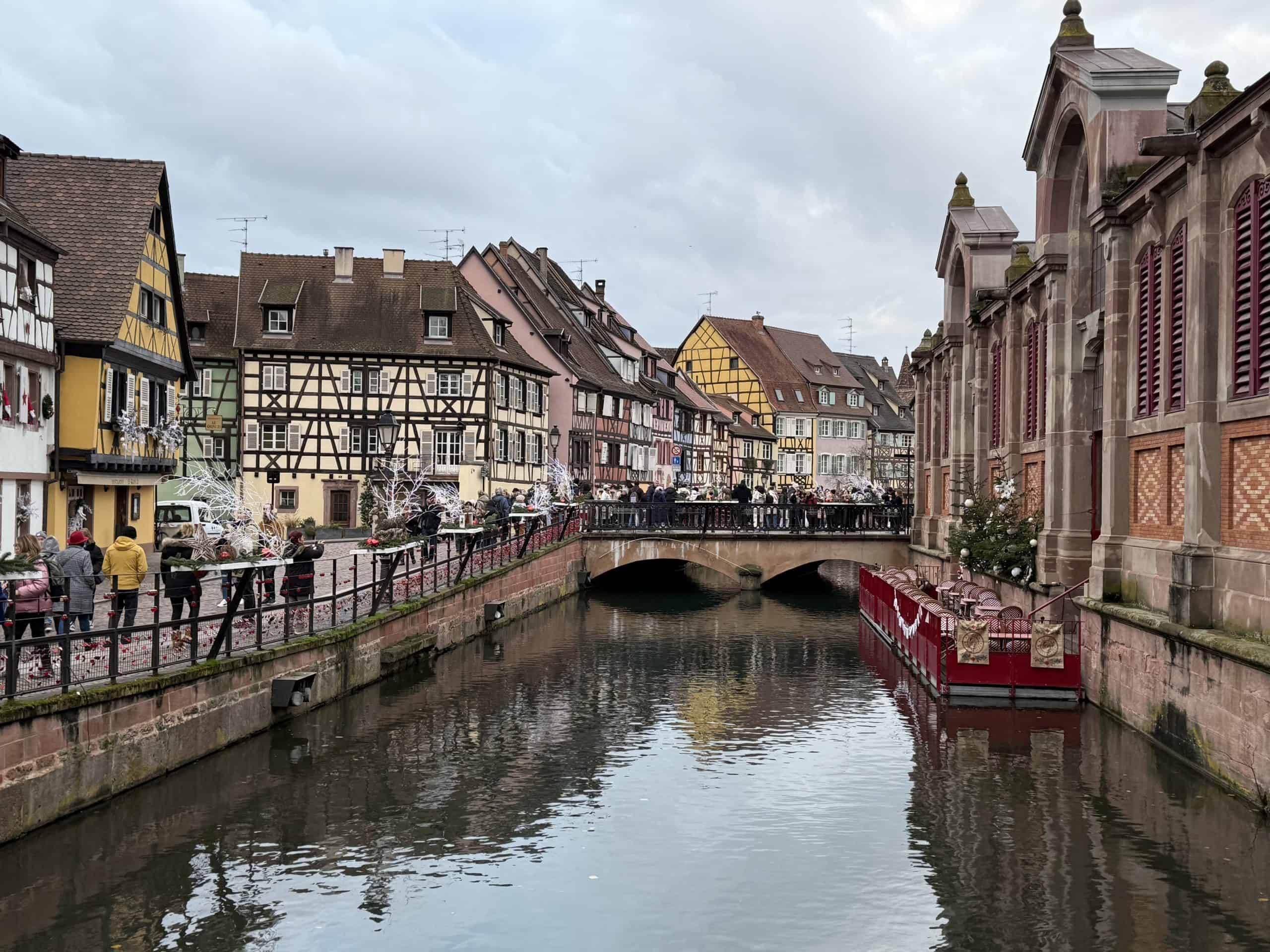
Colmar is one of the most popular day trips from Basel. Its half timbered houses and canals give it a true Beauty and the Beast fairy tale feel. I visited during the holidays and share details in my Colmar Christmas Market guide. You can also read my full Colmar city guide for planning tips beyond December.
Strasbourg, France
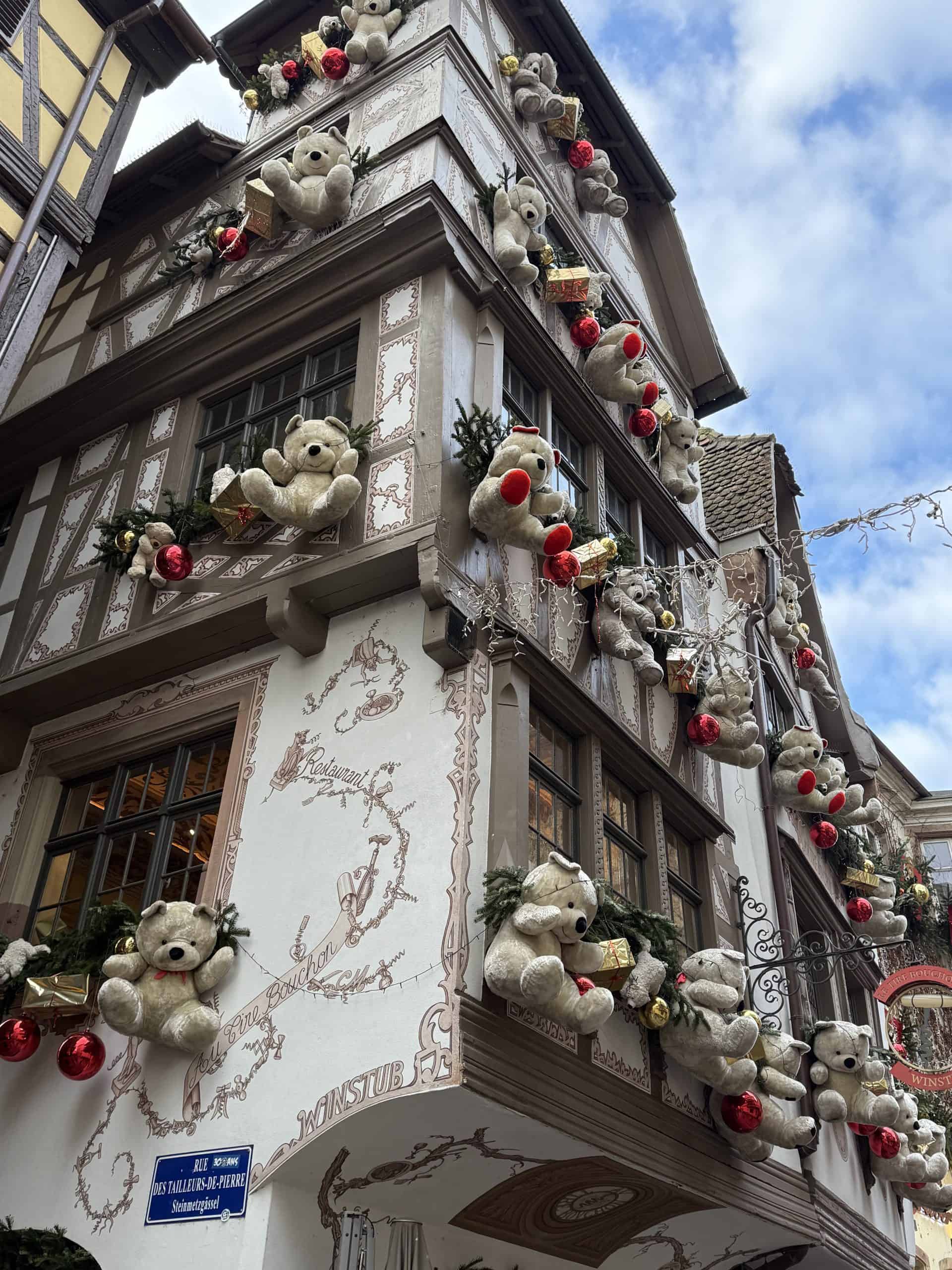
Strasbourg is slightly farther but still easy for a day. Known as the Capital of Christmas, it hosts one of the oldest and most famous markets in Europe. I cover the experience in my Strasbourg Christmas Market guide. Outside of Christmas, its cathedral, canals, and historic center offer a different atmosphere from Basel. For more ideas, see my Strasbourg city post in my France travel section.
Freiburg im Breisgau, Germany
Freiburg im Breisgau is a quick train ride into Germany and a gateway to the Black Forest. Its cathedral square, traditional Old Town, and seasonal markets make it a worthwhile stop. I did not visit on this trip, but it is often recommended, especially during Christmas.
Staying in Basel allows you to experience multiple cultures without changing hotels. Short train rides add variety while keeping your base simple.
If you prefer an organized option, this 4 countries in one day tour from Basel offers a structured way to experience multiple borders without planning train schedules yourself.
🏨Where to Stay in Basel
Where you stay in Basel is more about atmosphere than distance. Staying near the Old Town keeps you within walking distance of major sights and seasonal markets, while hotels near Basel SBB are convenient for day trips and early departures. All areas connect easily by tram.
Here are reliable options across budgets.
Budget ($): ibis Basel Bahnhof – A practical and affordable choice near Basel SBB train station. Rooms are simple and comfortable, and frequent trams make it easy to reach the Old Town and riverfront within minutes.
Mid Range ($$): Motel One Basel – Highly rated and centrally located in the Old Town. You are within walking distance of Barfüsserplatz, Münsterplatz, and many of Basel’s main attractions. Modern rooms and a strong location make it a convenient base year round.
Luxury ($$$): Grand Hotel Les Trois Rois – One of Basel’s most iconic hotels, located directly on the Rhine. Elegant rooms, river views, and exceptional service make this a strong choice for a special stay, especially during the holiday season.
In general, you do not need to stress about location in Basel. As long as you are near a tram stop or within the Old Town, getting around is straightforward. Many hotels include the Basel Card, which provides free public transportation and museum discounts.
Planning Your Visit – What to Know Before You Go
Basel’s compact layout makes planning straightforward. Knowing how to get there, how to get around, and when to visit will keep your trip simple and efficient.
Getting There
Basel is easy to reach, making it a low stress addition to a Switzerland or Europe itinerary.
Most travelers arrive by train or plane. Basel SBB is the city’s main station and connects directly with Zurich, Lucerne, Strasbourg, and cities across Germany and France. If you are already traveling by train in Europe, arriving in Basel is straightforward and efficient.
If you are flying, Zurich Airport is the most common option, with frequent trains reaching Basel in about an hour. You can also fly into EuroAirport Basel Mulhouse Freiburg, which sits just outside the city and serves Switzerland, France, and Germany. From there, buses and taxis make it easy to reach the city center.
Getting Around
Once you arrive, getting around Basel is simple. Walking works well for much of the city, especially in the Old Town and along the Rhine. When you need transit, trams are reliable, frequent, and easy to understand, even if it is your first visit.
Basel Card
Many hotels provide the Basel Card, which includes free public transportation and discounts at museums and attractions. Even if you have already planned to walk most places, having the Basel Card makes hopping on a tram feel effortless and keeps logistics easy throughout your stay.
Best Time to Visit
The best time to visit Basel depends on what you want to experience. December is ideal for the Christmas markets, while late spring and early fall offer comfortable weather for walking and sightseeing. Summer is best if you want to swim in the Rhine and enjoy long evenings outdoors, while late winter is the time to visit for Basel Carnival.
FAQs
Here are answers to some of the most common questions I get about visiting Basel.
How many days should you visit Basel?
Two days is ideal for most travelers. This gives you time to explore the Old Town, see a museum or two, enjoy the Rhine, and experience local neighborhoods without rushing. Three days works well if you want to add a day trip to France or Germany.
Is it better to visit Basel or Zurich?
It depends on what you are looking for. Basel feels smaller, calmer, and more culture focused, with easier access to international day trips. Zurich is larger, faster paced, and better if you want shopping, nightlife, and a bigger city feel.
What is the best month to visit Basel?
December is a great choice if you enjoy Christmas markets and a cozy winter atmosphere. Late spring and early fall are also excellent, with mild weather that is ideal for walking, museums, and spending time along the Rhine. Summer is best if swimming in the river and outdoor cafés are a priority.
Final Thoughts
Basel is a city that grows on you the more time you spend there. It does not rely on big headline attractions, but instead offers a mix of culture, neighborhoods, and everyday moments that make exploring feel easy.
Between the art museums, walkable Old Town, life along the Rhine, and the ability to cross into France or Germany for a day, Basel works especially well for travelers who like flexibility. You can keep your days full or slow things down and still feel like you are experiencing the city in a meaningful way.
If you enjoy places that balance culture with livability, Basel is a must visit and one that fits comfortably into many different types of trips.
I hope you found this Best Things to Do in Basel guide helpful for planning your trip! Drop me an email if you have any questions. TravelandTinsel@gmail.com I love to hear from readers.
