Travel and Tinsel contains affiliate links and is a member of the Amazon LLC Associates Program. If you make a purchase using one of these Amazon links, we may receive compensation at no extra cost to you. Read my disclaimer for more information.
Short answer: yes, it was worth it for us.
Long answer: it depends on how you plan to travel.
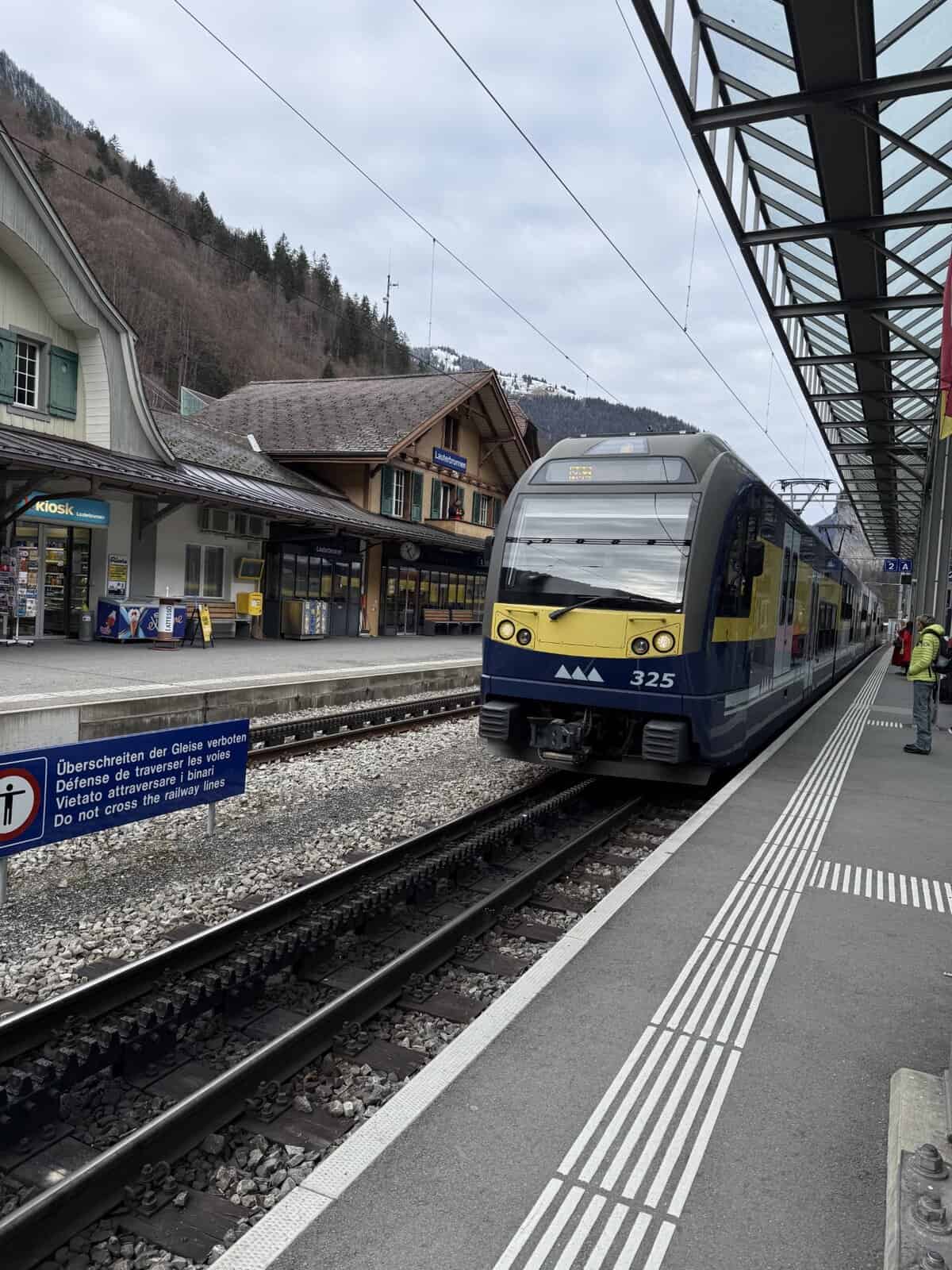
We purchased the 6 day Swiss Travel Pass for our week in Switzerland and while we did not do all the detailed math, we felt confident it was the right choice. We used Swiss trains nearly every day, sometimes for quick hops between cities and other days spending more than five hours total on trains.
Having unlimited travel meant we could hop on any train at any time without worrying about tickets, reservations, or changing prices. That flexibility alone made the Swiss Travel Pass feel worth it. We were based in Zurich and used it for routes to Lucerne, Interlaken, Lauterbrunnen, Basel, and Montreux.
That said, the Swiss Travel Pass is not automatically the best option for everyone. If your itinerary is locked in ahead of time and you are comfortable booking point to point tickets early, you may save money that way. We also considered the Swiss Half Fare Card, but ultimately decided we preferred paying once and being done with it.
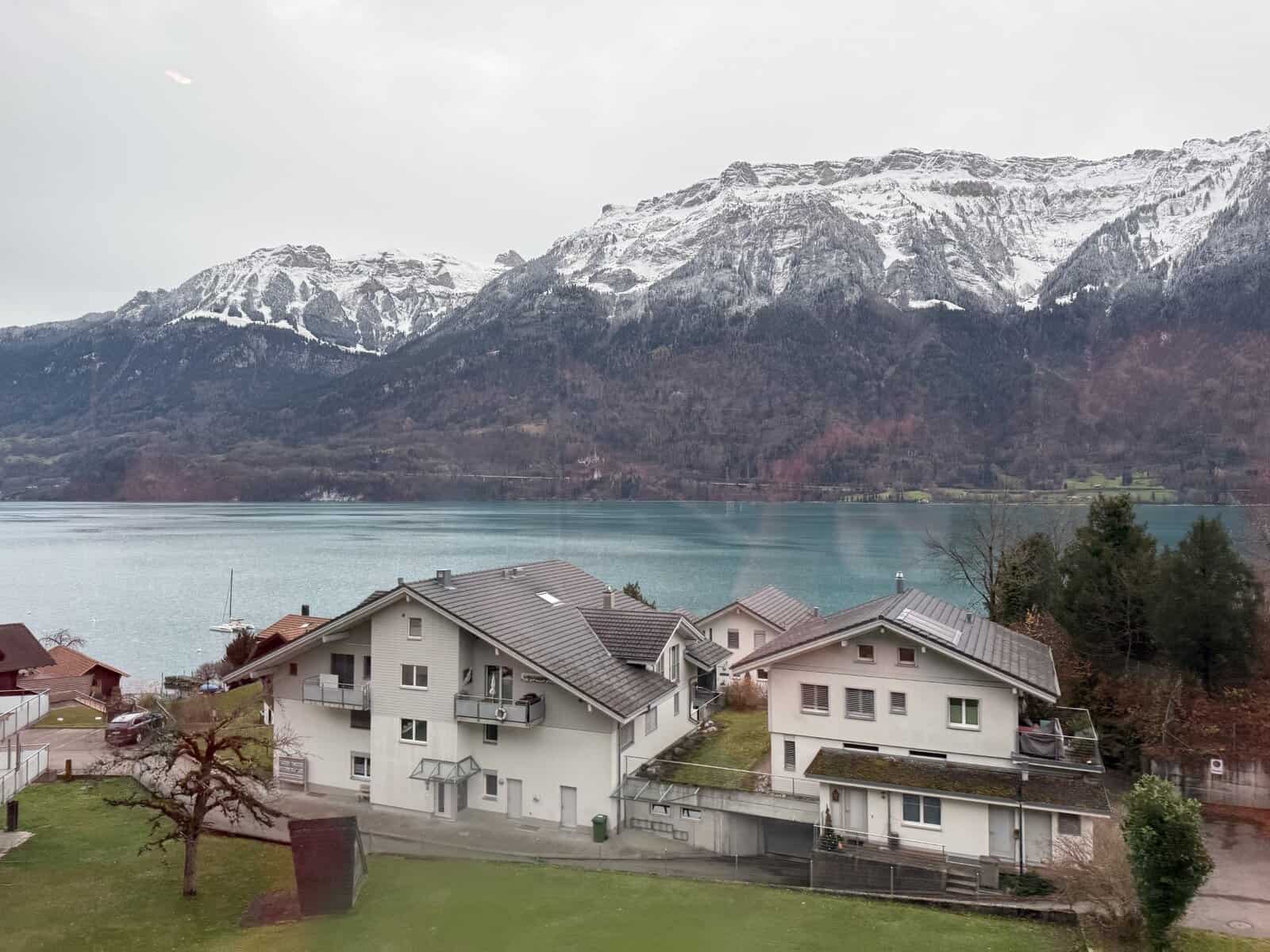
In this guide, I break down exactly what is included, when the Swiss Travel Pass makes sense, when it might not, and how to decide which travel pass is best for your Switzerland trip.
This guide is best for:
Travelers planning multi city trips, scenic train routes, flexible itineraries, and anyone deciding between the Swiss Travel Pass, Half Fare Card, or regional passes.
Before diving into the details, here’s exactly what the Swiss Travel Pass includes and how it works in real life.
Book the Swiss Travel Pass 🚅
Save money, skip the stress, and explore Switzerland freely with unlimited trains, city transport, and museum access.
👉Check Current Prices on GetYourGuide Here
What Is the Swiss Travel Pass and What’s Included
The Swiss Travel Pass helps visitors travel around Switzerland using public transportation. Instead of buying individual tickets, you purchase one pass that covers most of your travel for a set number of days.
The biggest benefit is unlimited travel on Switzerland’s extensive public transportation network. That includes trains, local city transportation, and even boats on many lakes.
Here’s what is included with the Swiss Travel Pass:
You get these benefits with both the Consecutive and Flex passes.
- Unlimited train travel: You can ride Swiss trains without reservations on most routes. We loved being able to check the schedule on the app, arrive at the station, and get on the next train without planning ahead. Or if we missed the train we were planning on, we could just take the next one.
- City transportation included: The Swiss Travel Pass includes all public city transportation, including trams, buses, and metro or subway systems where available.
- Free entry to Swiss museums: Including major museums in Zurich, Lucerne, Bern, Basel, and Montreux. We used ours at the Swiss National Museum in Zurich.
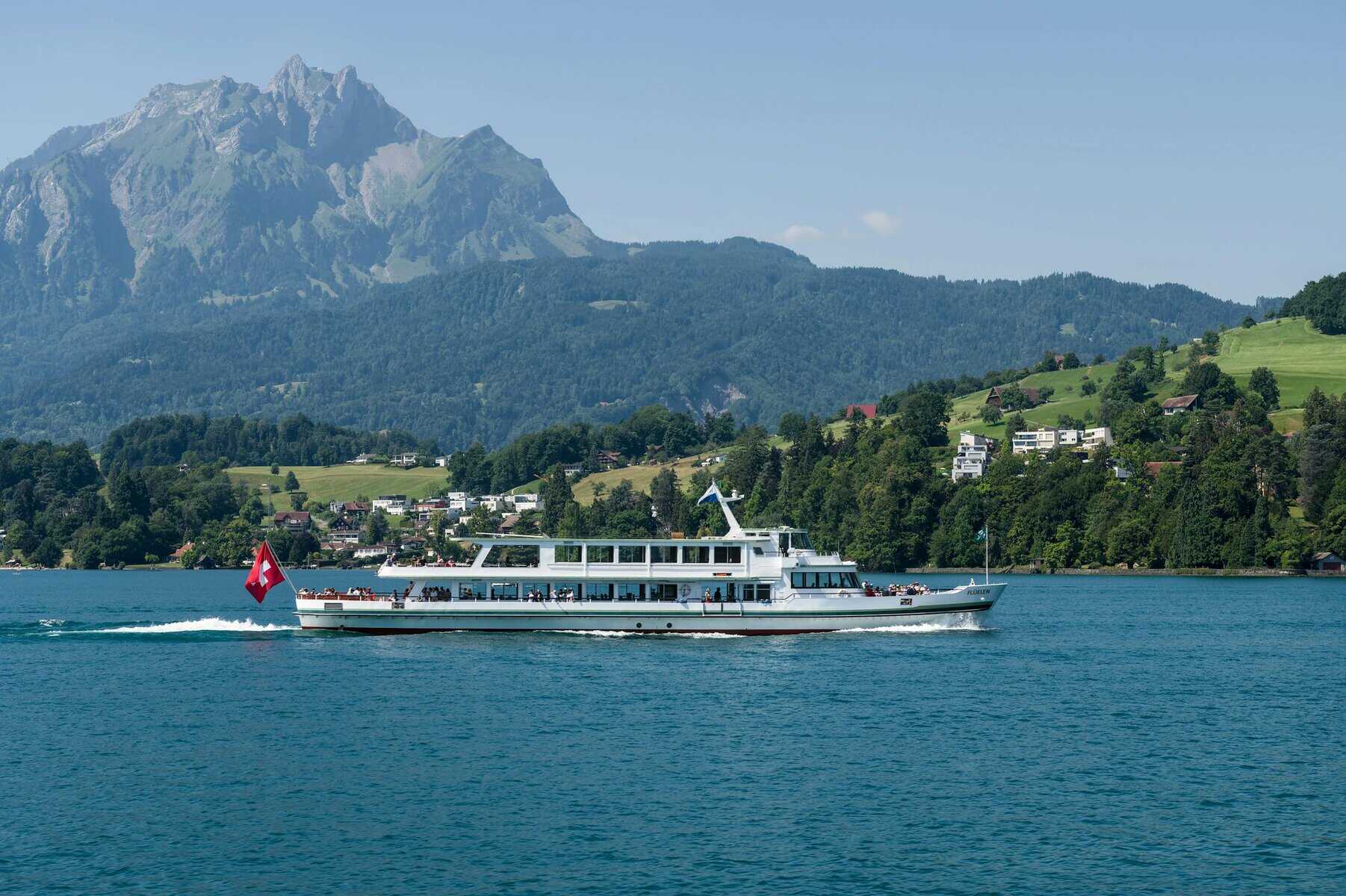
- Boat travel on lakes: Lake cruises on many major Swiss lakes, including Lake Lucerne and Lake Zurich, are included, often without a reservation depending on demand.
- Mountain discounts: While not all mountain railways are free, the Swiss Travel Pass includes generous discounts on many popular routes, including in the Jungfrau region.
- Simple onboard checks: There is no ticket scanning or advance validation. All you do is show your pass when asked onboard. That ease was a huge part of why the pass worked so well for us.
There are two versions of the pass: Consecutive and Flex.
1. The Swiss Travel Pass is available for 3, 4, 6, 8 or 15 consecutive days of travel.
OR
2. The Swiss Travel Pass Flex is available for 3, 4, 6, 8 or 15 freely selectable days within one month. With the Swiss Travel Pass Flex, museum entry and transportation benefits only apply on your selected travel days.
🎄We visited during Christmas market season and did not use many museum or mountain discounts, but the ease and flexibility still made the pass feel completely worth it for our trip.
Mountains Included or Discounted with the Swiss Travel Pass
This is where things can feel confusing, so here is the simple breakdown.
Mountains fully included with the Swiss Travel Pass:
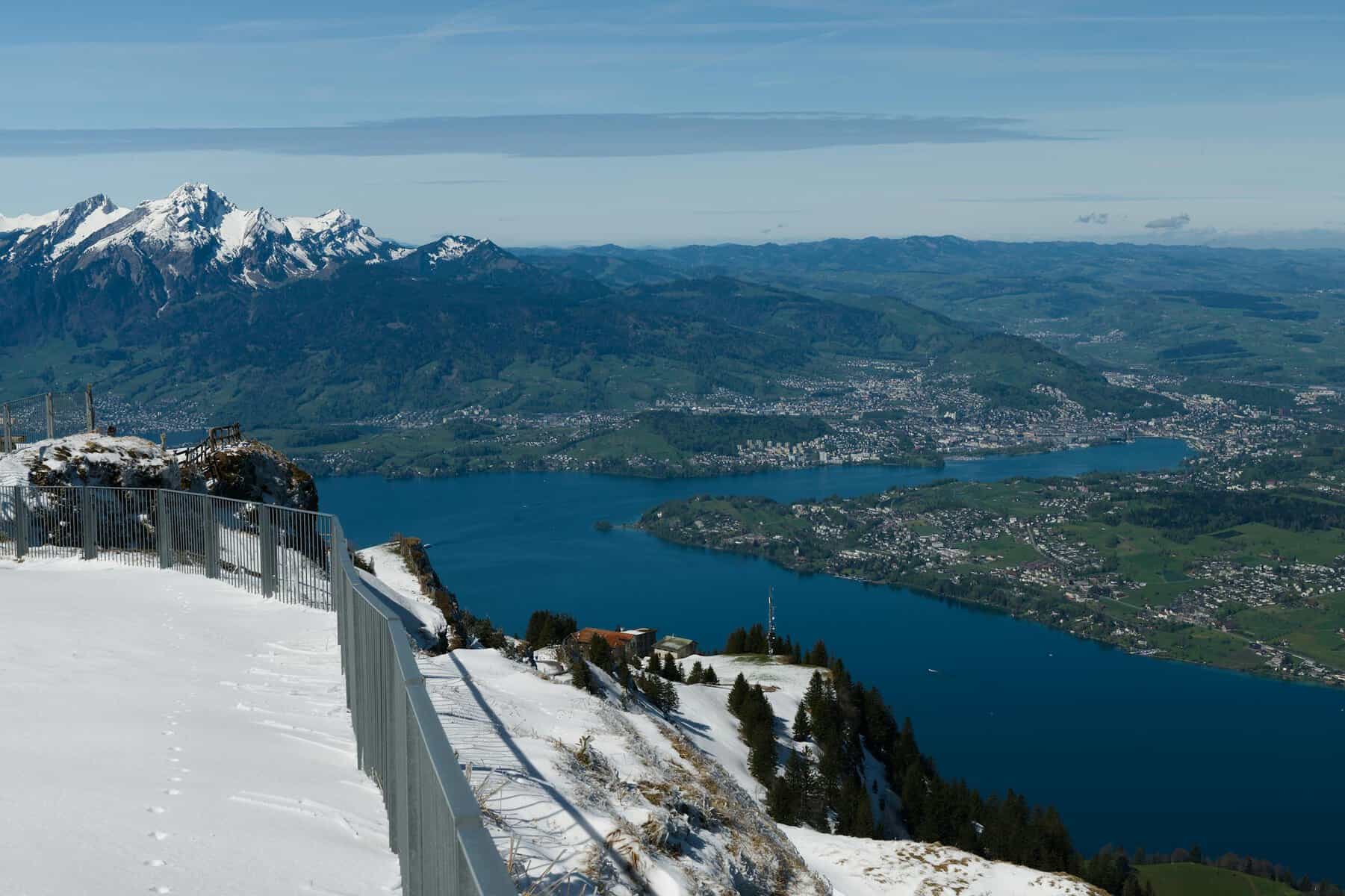
- Rigi: Often called the Queen of the Mountains. All standard routes to Mount Rigi are fully covered, including boats on Lake Lucerne and the cogwheel railways up the mountain. No additional ticket is required.
- Stanserhorn: Located near Lucerne and known for its CabriO open air cable car. The entire journey is included, including the funicular and the CabriO open air cable car to the summit. No extra fare is needed.
Mountains with discounts, not fully included:
The Swiss Travel Pass offers discounted fares on these routes. I’ve linked to current ticket options below for reference.
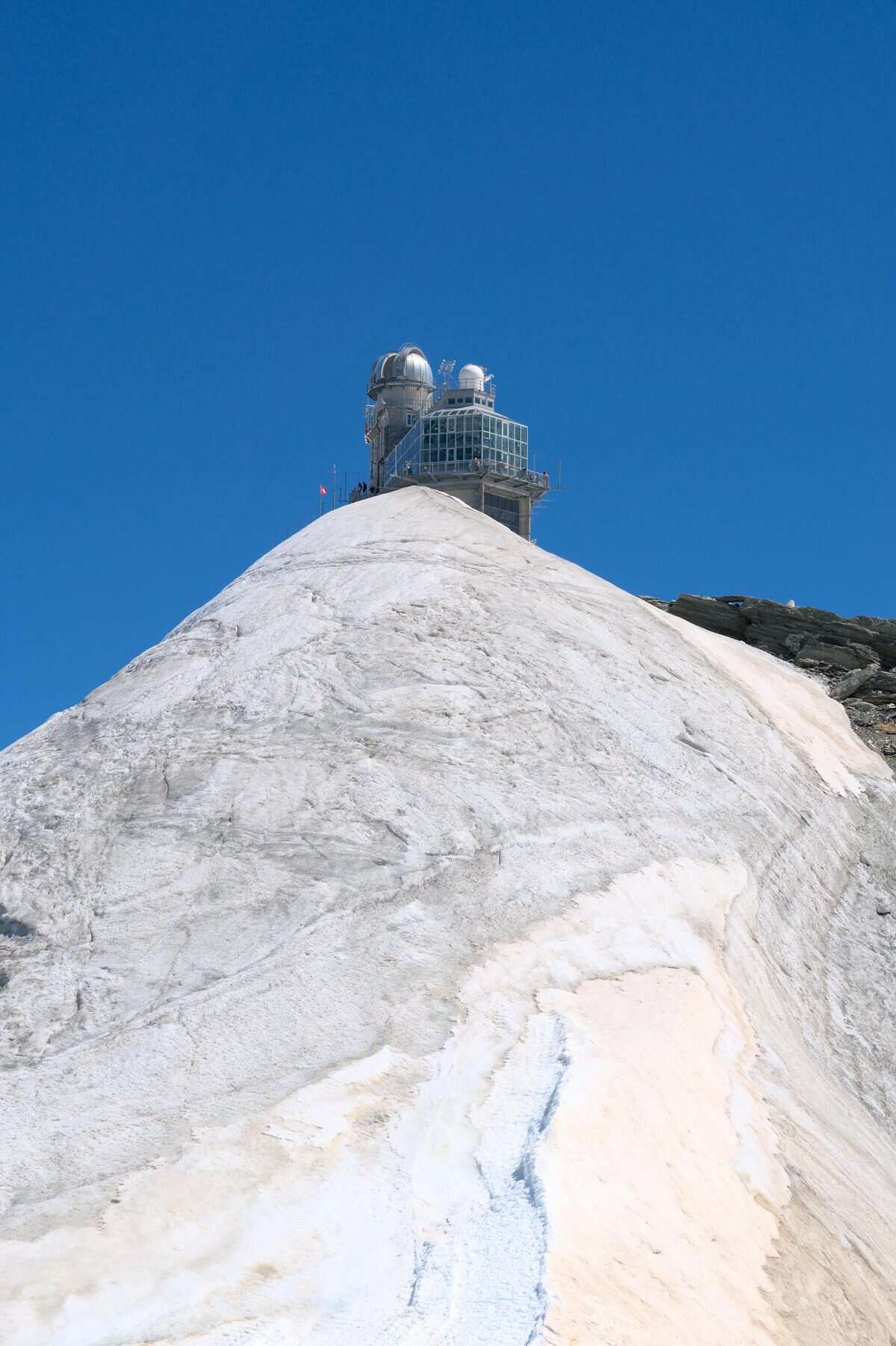
- Jungfraujoch: The Swiss Travel Pass gives a significant discount, but it is not free.
- Mount Pilatus: Discounted fares depending on the route you take.
- Gornergrat: Discounted with the Swiss Travel Pass.
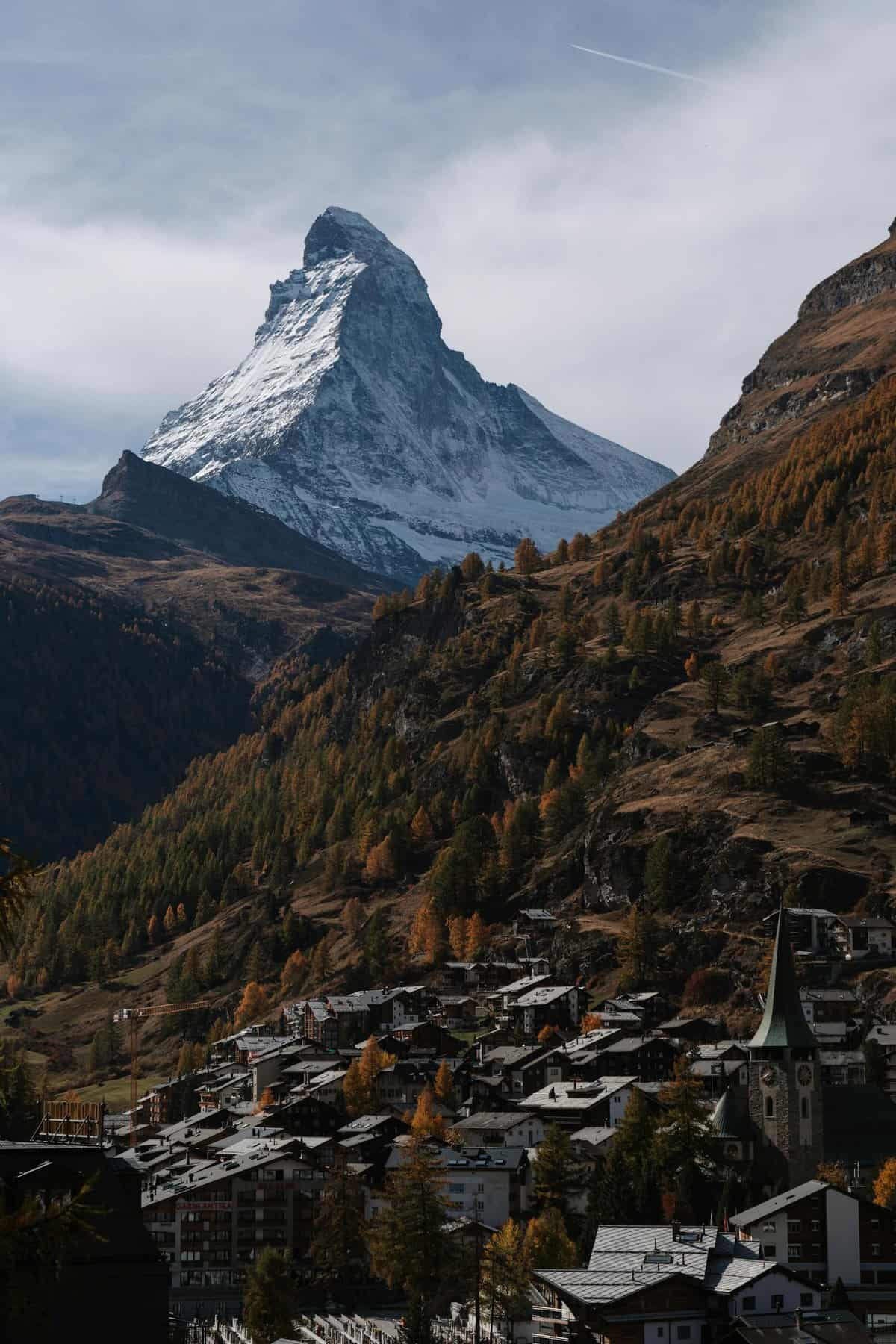
- Matterhorn Glacier Paradise: Discounted, but not included.
Mountain discounts are another quiet bonus. While not all mountain routes are free, reduced fares in regions like the Jungfrau area can make a noticeable difference, especially if you plan to go up more than once.
If museums and mountain excursions are a priority for your trip, the Swiss Travel Pass can add up quickly in your favor.
Point to Point Tickets vs Swiss Half Fare Card vs Regional Passes
Before choosing a transportation pass in Switzerland, it helps to think about how often you will travel, where you will go, and how fixed your plans are.
Point to Point Tickets
Point to point tickets are individual train tickets purchased for specific routes and times.
This works best for you if:
- Your itinerary is fully planned before your trip
- You are comfortable booking train tickets in advance
- You plan to take fewer train rides overall
- You want to focus on the lowest possible cost
Swiss Half Fare Card
The Swiss Half Fare Card gives you 50 percent off most trains, buses, boats, and mountain transport.
This works best for you if:
- You are staying mostly in one region
- You do not mind buying tickets throughout the trip
- You are comfortable tracking discounts as you go
- You want some savings without committing to unlimited travel
Regional Passes
Regional passes are transportation passes designed for travel within a specific area of Switzerland rather than the entire country.
This works best for you if:
- You are staying mostly in one region
- Your itinerary is centered around alpine villages, mountains, or lakes
- You plan to use regional trains, gondolas, and mountain railways frequently
- You do not need long distance train travel between major cities
There are several regional passes available across Switzerland, including options for the Jungfrau region, Bernese Oberland, Central Switzerland, and eastern Switzerland.
The Jungfrau Travel Pass is the most popular of these and is covered in detail in the next section.
If your trip focuses heavily on the Alps, especially around Interlaken, a regional pass may make more sense.
Jungfrau Region Pass Explained
The Jungfrau Travel Pass is designed specifically for travel within the Jungfrau region. It is popular with travelers who base themselves in Interlaken, Lauterbrunnen, or Grindelwald.
What it includes:
- Unlimited travel on regional trains, gondolas, and cable cars in the Jungfrau area
- Coverage for places like Interlaken, Lauterbrunnen, Grindelwald, Wengen, and Mürren
- Access to many mountain railways in the region
What it does not fully include:
- The final section up to Jungfraujoch is not free, but you get a discounted rate
- It does not cover long distance trains outside the region like Zurich to Interlaken
Who the Jungfrau Region Pass Works Best For
This pass is a great option if:
- You are staying several days only in the Jungfrau region
- You plan to take multiple mountain lifts and scenic railways
- Your trip is more focused on hiking, viewpoints, and alpine villages
- You do not plan to travel extensively across Switzerland
Some travelers even combine passes, using the Swiss Travel Pass for long distance travel and then buying a Jungfrau Region Pass for intensive mountain days.
✨Planning Tip: Remember the Swiss Travel Pass does offer a flexible days option if you want both the regional pass and the country wide Swiss Travel Pass.
Panoramic Trains in Switzerland
Panoramic trains are one of the best parts of traveling through Switzerland. These scenic routes are designed to showcase mountains, lakes, and alpine villages, with large windows and slower travel through some of the country’s most beautiful regions.
On these routes, the journey becomes part of the experience, not just a way to get from one place to another.
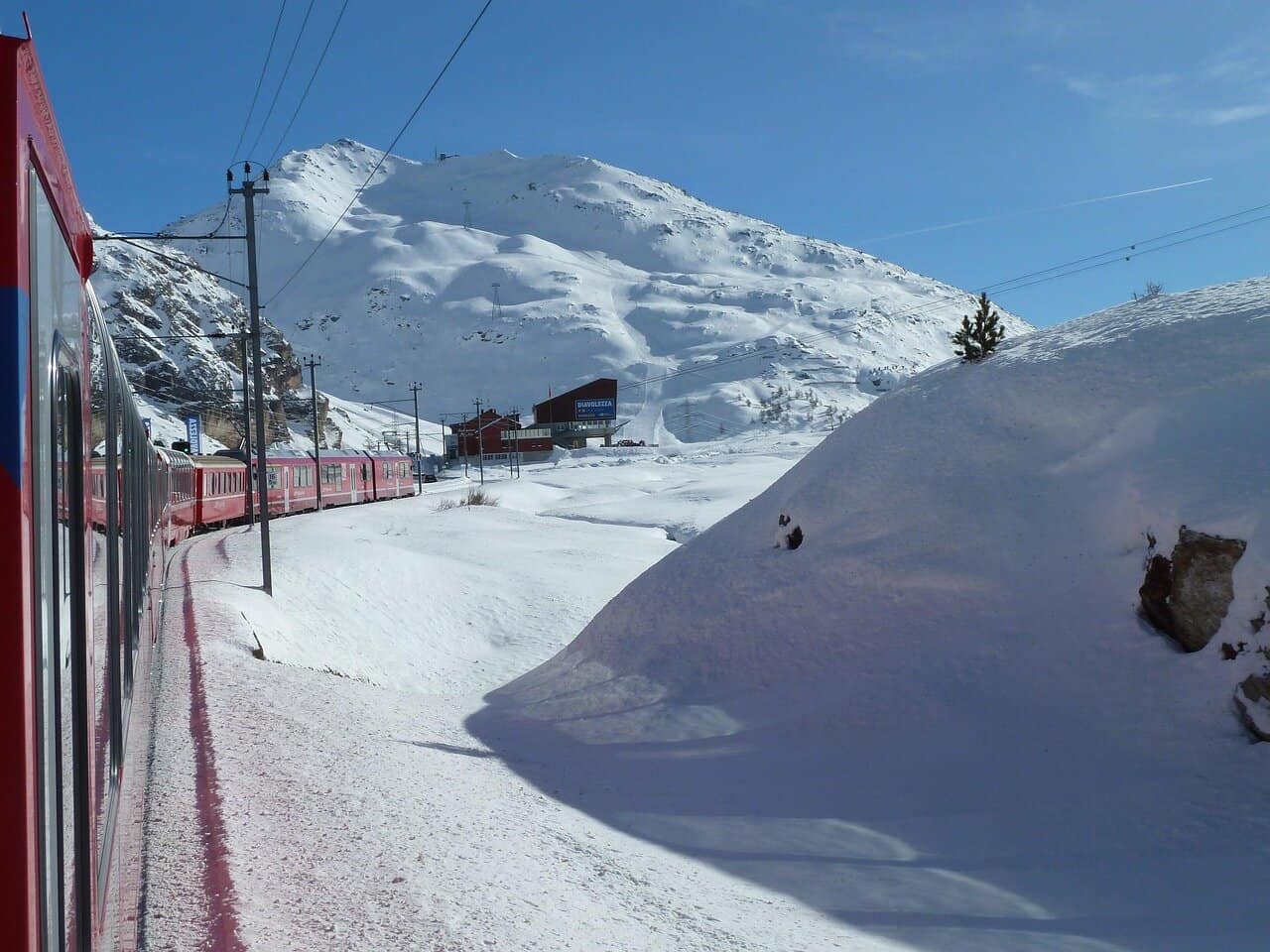
While many panoramic routes are covered by the Swiss Travel Pass, some require paid seat reservations and others can be ridden on regular regional trains instead. Knowing the difference helps you avoid unnecessary costs.
Below are the most popular panoramic routes and how they work with the Swiss Travel Pass.
Panoramic Trains and the Swiss Travel Pass
Route: Zermatt to St. Moritz
Swiss Travel Pass: ✔ Included
Seat Reservation required: ✔ Yes, paid separately. ~CHF 54
The most famous panoramic train in Switzerland. The pass covers the full route, but reservations are mandatory and can be expensive in peak season.
💡Budget Tip: You can ride the same route on regular trains without a reservation, but you will not get the panoramic carriages with floor to ceiling windows.
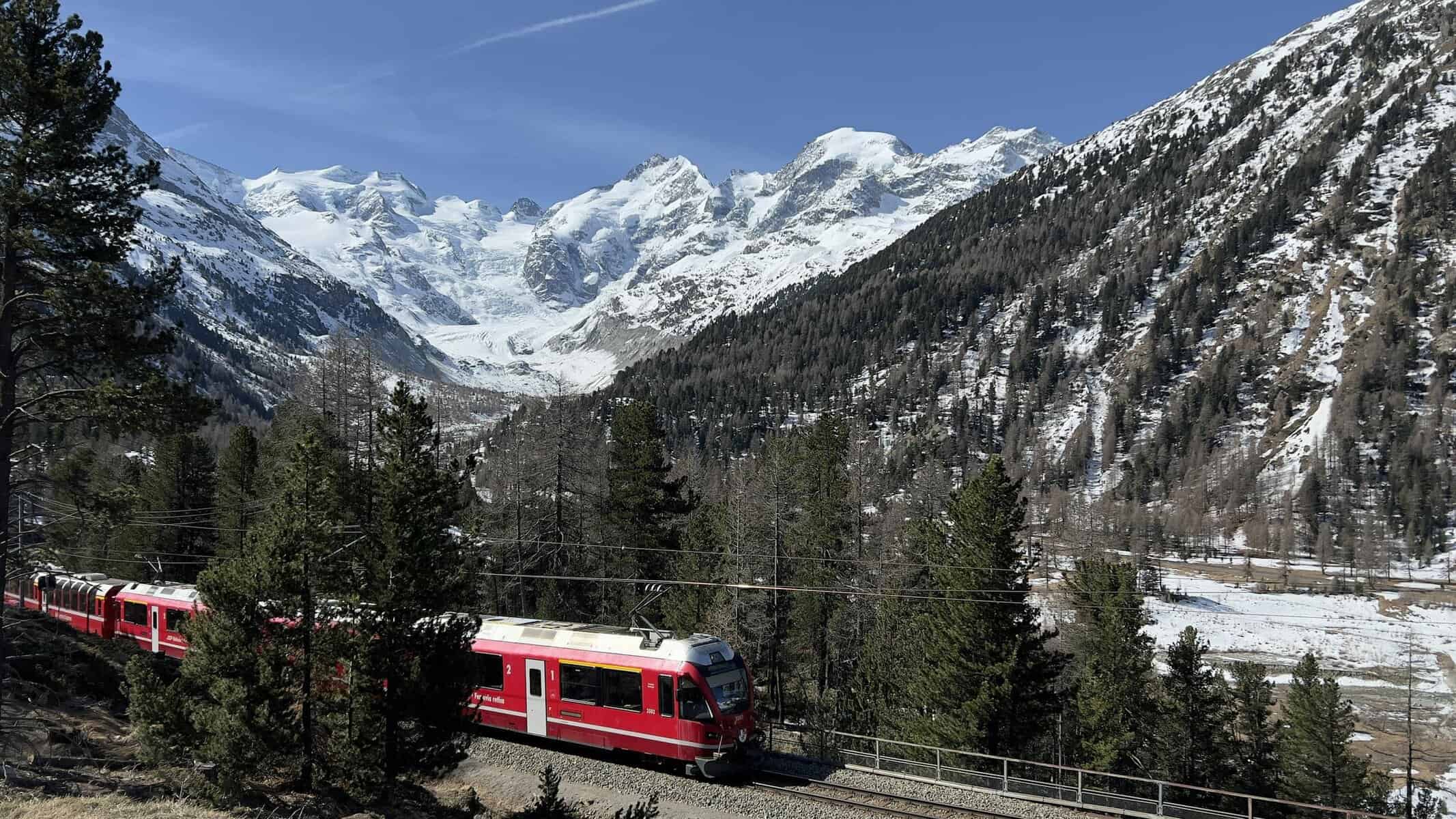
Route: Chur or St. Moritz to Tirano, Italy
Swiss Travel Pass: ✔ Included within Switzerland
Seat Reservation required: ✔ Yes for panoramic cars ~CHF 40.
This route crosses the Alps into Italy and offers dramatic mountain views. Reservations are required for the panoramic cars.
💡Budget tip: Regional trains run the same route with no reservation.
GoldenPass Line
Route: Lucerne to Montreux
Swiss Travel Pass: ✔ Included
Seat Reservation required: ❌ Not required
One of the easiest scenic routes to enjoy with no extra planning. It connects central Switzerland with Lake Geneva.
Route: Lucerne to Lugano
Swiss Travel Pass: ✔ Included
Seat Reservation required: ✔ Yes for the train portion
This journey combines a Lake Lucerne boat ride with a historic alpine rail route through the Gotthard Pass.
Voralpen Express
Route: Lucerne to St. Gallen
Swiss Travel Pass: ✔ Included
Seat Reservation required: ❌ Not required
An underrated scenic route with rolling hills, lakes, and mountain views.
Interlaken–Lucerne Panorama Route
Route: Interlaken to Lucerne
Swiss Travel Pass: ✔ Included
Seat Reservation required: ❌ Not required
This was our favorite route and one we personally loved. It is fully covered and easy to use without advance planning.
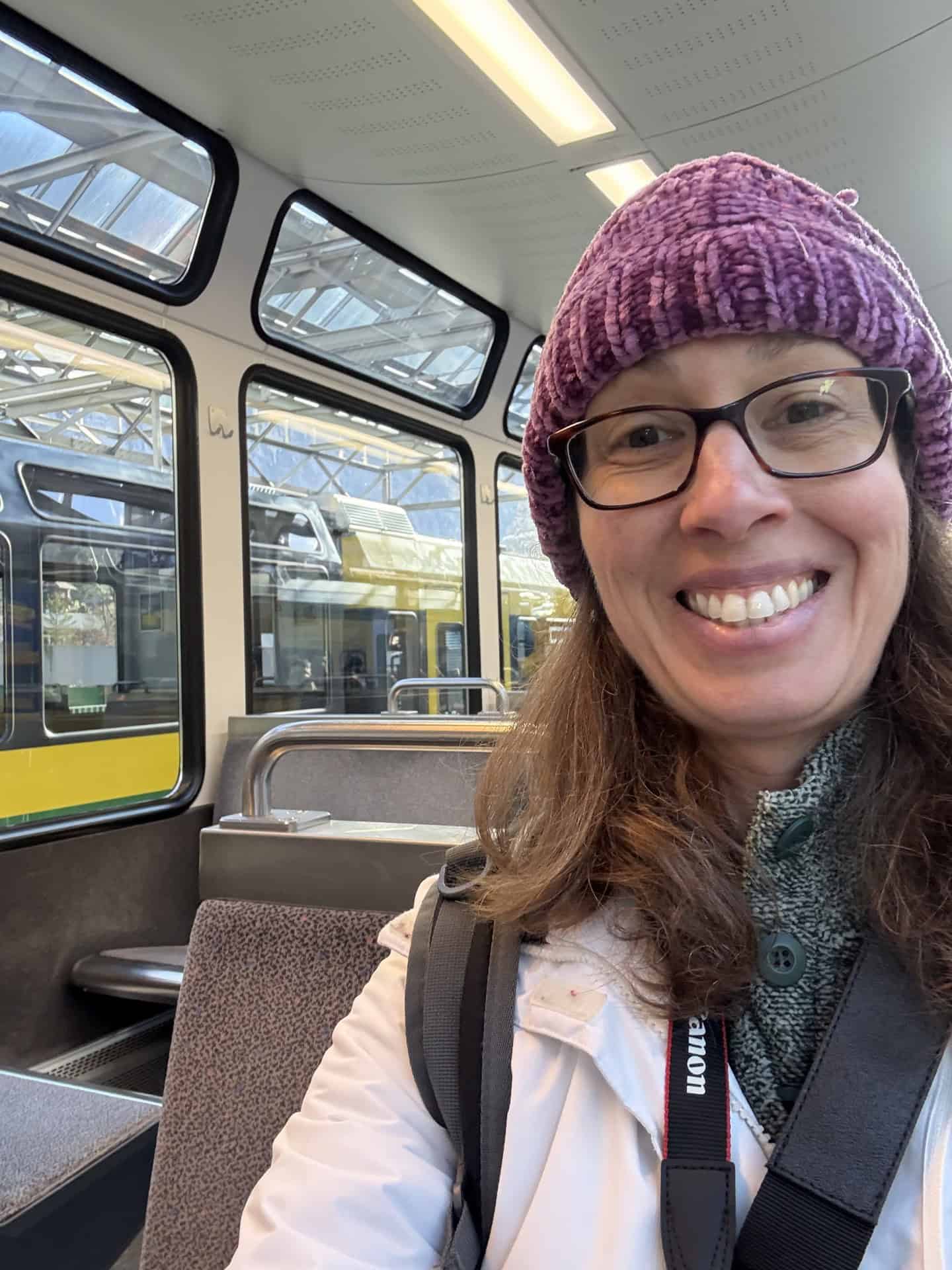
It proves you do not need a famous named train to enjoy incredible scenery.
✨Planning Note: The Swiss Half Fare Card is also accepted on panoramic trains, but seat reservations are still paid separately when required.
If you are traveling without a Swiss Travel Pass or with a regional pass, you can book tickets for these routes through the official Swiss Rail system or GetYourGuide.
Swiss Travel Pass for Tourists: Practical Tips
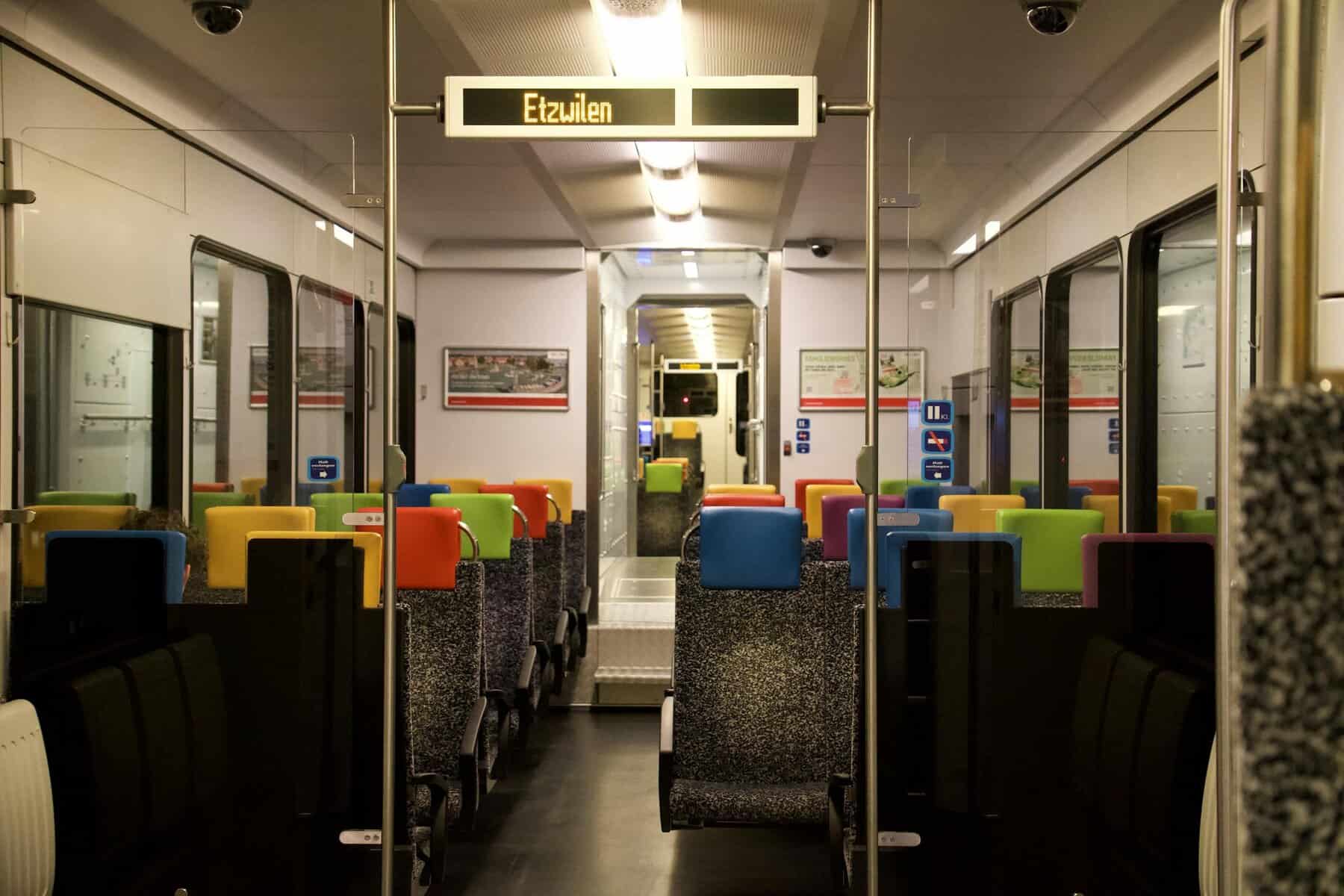
If this is your first time traveling in Switzerland, the Swiss Travel Pass is very tourist friendly, but there are a few things worth knowing ahead of time.
Where to buy the Swiss Travel Pass
You can buy the Swiss Travel Pass online before your trip or purchase it once you arrive in Switzerland. We bought ours in person at Zurich Main Station, which ended up being really helpful. Being able to talk through the options made it easier to decide which pass made the most sense for our itinerary.
Paper pass vs digital pass
Because we purchased our pass at the station, we used a paper Swiss Travel Pass and it worked perfectly. Digital passes work just as well and have the added benefit of being stored on your phone, so there is no risk of losing them.
No reservations needed for most trains
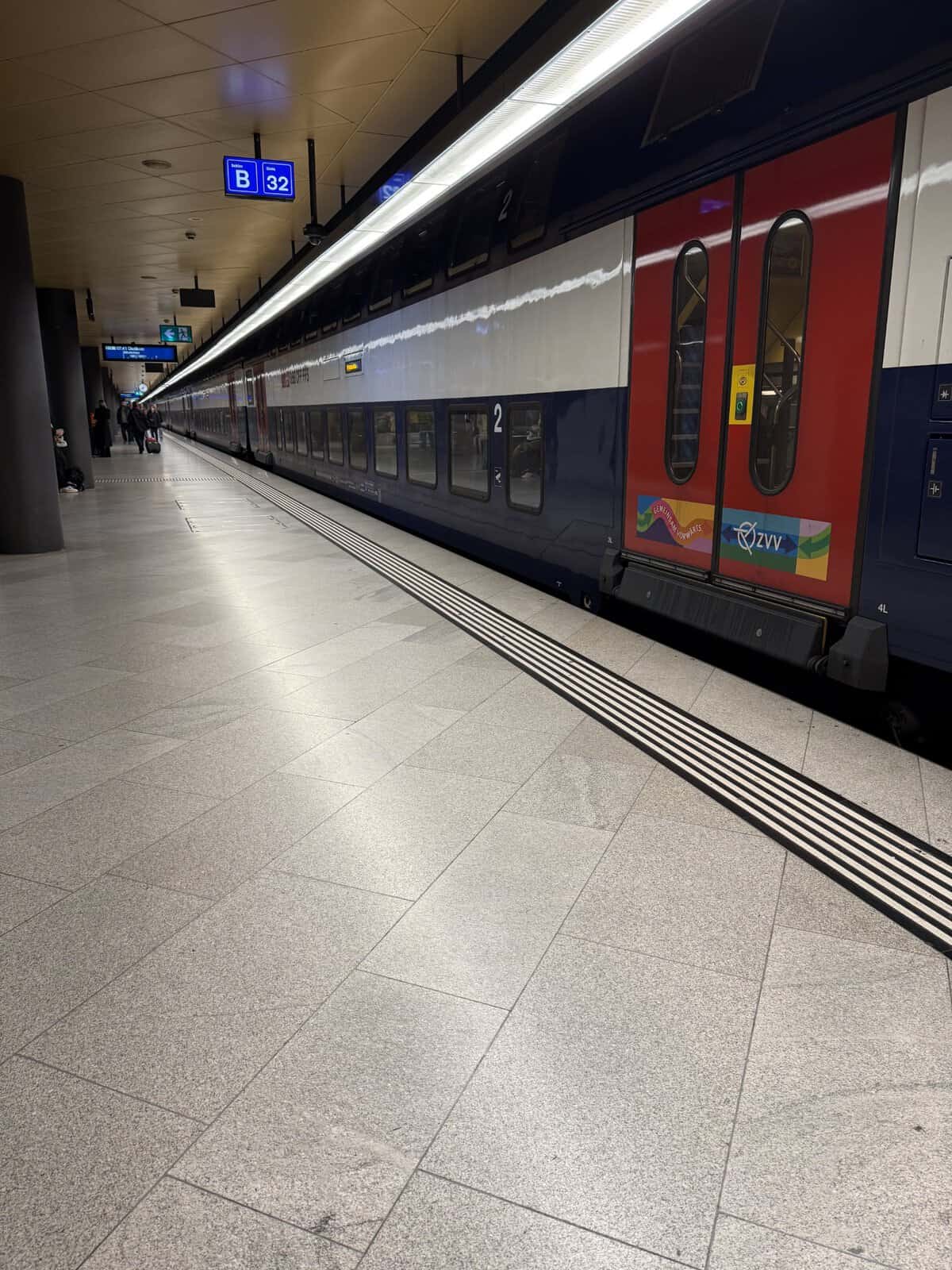
One of the biggest perks is that you do not need reservations on most Swiss trains. You can arrive at the station, check the departure board or app, and get on the next train. This flexibility was a huge advantage during our trip.
What to expect onboard
Conductors check tickets on the train, not before boarding. When asked, you just show your Swiss Travel Pass. There is no scanning or validation required.
Seat reservations and panoramic trains
While the Swiss Travel Pass covers the ride itself, some scenic trains still require a paid seat reservation. We personally never needed to make a reservation for our day to day train travel.
Mountain excursions require a quick check
Some mountains are fully included and others are discounted. It is always worth double checking what is covered before heading up so there are no surprises.
Museums are included with the Swiss Travel Pass
Your pass gives you free entry to many museums. You simply show your pass at the entrance. This works the same with the Swiss Travel Pass Flex, but not with the Swiss Half Fare Card.
Local city transportation is covered
Trams, buses, and metro or subway systems in Swiss cities are included. Once you arrive in a city, you can use public transportation without buying additional tickets.
What the Swiss Travel Pass Does Not Include
While the Swiss Travel Pass covers a lot, it is not truly all inclusive. Knowing what is not included ahead of time helps avoid surprises.
Seat reservations
Most Swiss trains do not require reservations, but some scenic trains do. The ride itself is covered by the pass for travel, but you still have to pay separately for a seat reservation.
Certain mountain peaks
Not all mountain excursions are included for free. Popular high altitude destinations often require an additional ticket, even with the Swiss Travel Pass.
Private railways and special experiences
Some privately operated railways, cable cars, and experiences fall outside full coverage. These often come with a reduced fare rather than free access.
Food and onboard services
The pass does not cover meals. Meals, snacks, and special onboard services are not included.
⭐Key takeaway: The Swiss Travel Pass simplifies getting around Switzerland, covering most transportation while a few special experiences cost extra.
Is the Swiss Travel Pass Worth It for You?
Before choosing a travel pass in Switzerland, ask yourself these questions.
- Will you be using trains frequently?
If you plan to travel by train almost every day or move between multiple cities or regions, the Swiss Travel Pass can make things much easier. - Do you want flexibility once you arrive?
If you like being able to change plans, leave earlier or later, or take an extra train without worrying about ticket costs, unlimited travel is a big advantage. - Do you prefer simplicity over price hunting?
Paying once and not thinking about transportation again can remove a lot of stress, especially on long travel days. - Are you planning a fixed itinerary with exact train times?
If everything is booked in advance and you are comfortable sticking to a schedule, point to point tickets may save you money. - Are you staying mostly in one region?
If you are basing yourself in one area and do not mind buying tickets as you go, the Swiss Half Fare Card or a regional pass may be a better fit.
For us, the Swiss Travel Pass was worth it because we were on trains almost every day and wanted the freedom to hop on and go without thinking about logistics. If that sounds like your travel style, it is likely a strong option for your trip.
FAQ
Here are answers to some of the questions I get asked most often
Is the Swiss Travel Pass worth it?
The Swiss Travel Pass is worth it if you plan to use trains frequently, travel between multiple cities, or want flexibility once you arrive. For us, using trains almost every day and being able to hop on without reservations made it feel worth the cost.
What is included in the Swiss Travel Pass?
The Swiss Travel Pass includes unlimited travel on trains, buses, boats, and city transportation. It also includes free entry to many Swiss museums and discounts on mountain railways and scenic routes.
Does the Swiss Travel Pass include the Glacier Express?
Yes, the Swiss Travel Pass covers the ride on the Glacier Express, but a seat reservation is required and must be paid separately.
Does the Swiss Travel Pass include Matterhorn Glacier Paradise?
No, the Swiss Travel Pass does not fully include Matterhorn Glacier Paradise. It does offer a discount on the ticket, but you will still need to pay extra.
Is the Swiss Travel Pass better than point to point tickets?
It depends on your travel style. Point to point tickets can be cheaper if your itinerary is fixed and booked in advance. The Swiss Travel Pass is better if you want flexibility and do not want to manage individual tickets during your trip.
Is the Swiss Half Fare Card better than the Swiss Travel Pass?
The Swiss Half Fare Card works well for travelers staying mostly in one region or taking fewer train trips. The Swiss Travel Pass is better for travelers who plan to move around frequently and want unlimited travel without tracking discounts.
Can you use the Swiss Travel Pass for city transportation?
Yes, city transportation such as buses and trams is included. Once you arrive in a city, you can use public transportation without buying additional tickets.
Where can you buy the Swiss Travel Pass?
You can buy the Swiss Travel Pass online before your trip or purchase it in person once you arrive in Switzerland. We bought ours at Zurich Main Station, which was helpful for talking through which pass made the most sense.
What is the Swiss Travel Pass Flex?
The Swiss Travel Pass Flex allows you to choose a certain number of travel days within a longer time period. This works well if you are not traveling every day but still want the benefits of the pass.
Final Thoughts
The Swiss Travel Pass is not about finding the absolute cheapest way to get around Switzerland. Sometimes it can be the cheapest, but it is also about ease, flexibility, and freedom.
For us, being able to hop on any train, at any time, without reservations or ticket purchases made a noticeable difference in how the trip felt. Train travel became part of the experience instead of something we had to constantly manage. Even though we did not maximize every single museum or discount, the value showed up in other ways, especially during long train days and spontaneous route changes.
If your trip involves moving around frequently, adjusting plans as you go, or simply wanting transportation to feel effortless, the Swiss Travel Pass is something every traveler should seriously consider. If your plans are more fixed or centered in one region, a different pass may make more sense.
There is no single “best” option for every traveler, but understanding how you like to travel makes the decision much clearer.
I hope you found this Swiss Travel Pass guide helpful for planning your trip! Drop me an email if you have any questions. TravelandTinsel@gmail.com I love to hear from readers.
You May Also Like
15 Best Day Trips from Zurich That Are Actually Worth It
A collection of great day trip ideas from Zurich.
Zurich in Winter: Best Things to Do, Day Trips, and Travel Tips
A practical guide to winter in Zurich with top activities, seasonal insights, and travel tips.
Where To Stay In Zurich: Best Neighborhoods and Accommodations with Map
Neighborhood-by-neighborhood breakdown of the best places to stay in Zurich.
One Day in Lucerne Itinerary
A guide to how to spend one day in Lucerne with walking route and map
