
Travel and Tinsel contains affiliate links and is a member of the Amazon LLC Associates Program. If you make a purchase using one of these Amazon links, we may receive compensation at no extra cost to you. Read my disclaimer for more information.
Prague is one of the most beautiful and historic cities in Europe. Gothic towers rise above red rooftops. Medieval streets wind through the historic center, and the Vltava River flows beneath many of the city’s historic bridges. One of the best experiences is simply wandering the streets and soaking in the history that surrounds you.
For me, visiting Prague also had a personal meaning. My family immigrated from this region just a few generations ago. Seeing the city in person felt like connecting with a small piece of family history. Walking through the Old Town streets and across Charles Bridge was something I had imagined for years before finally experiencing it.
Three days is the perfect amount of time for most first time visitors. It allows you to see Prague’s iconic attractions like Prague Castle, Old Town Square, and Charles Bridge. You will still have time to explore scenic viewpoints, historic neighborhoods, and a few of the city’s more unique experiences.
This itinerary walks you through three days in Prague using a logical route through the city’s historic districts. Each day includes a walking map so you can easily follow the route.
If you want a deeper overview of Prague’s attractions, you can also see my guide to the best things to do in Prague, which covers landmarks, museums, food experiences, and hidden gems in more detail.
3 Days in Prague At a Glance
Top Highlights: Old Town Square, Charles Bridge, Prague Castle
Best Guided Tour: Old Town & Jewish Quarter Walking Tour
Best Food Experience: Prague Food and Beer Tour
Unique Experience: Prague Beer Spa
Recommended Hotel: Hotel Haštal Prague Old Town
Discount Card: Prague Visitor Pass
Getting Around: Prague is very walkable, but trams, metro, and Uber are widely available
Best Time to Visit: Spring and fall for mild weather, or December for Christmas markets
Is 3 Days in Prague Enough?
Yes, three days is usually enough time to see many of Prague’s most famous attractions while still leaving time to explore beyond the main landmarks. The historic center is compact. Many of the city’s highlights sit within walking distance of each other along the Vltava River.

You can explore neighborhoods like Malá Strana and scenic viewpoints across the city while still experiencing a few of Prague’s unique attractions. That might mean relaxing in a café, enjoying the city’s beer culture, or climbing one of Prague’s towers for panoramic views.
A Quick Look at Prague’s History
The city’s history stretches back more than a thousand years. Prague became an important political and cultural center during the Middle Ages and later flourished under the rule of Charles IV in the 14th century. Many of the landmarks visitors admire today, including Charles Bridge and parts of Prague Castle, date back to that period.
Over the centuries the city has also been shaped by artists, writers, and thinkers such as Franz Kafka, Antonín Dvořák, and even Albert Einstein, who once taught at Charles University.
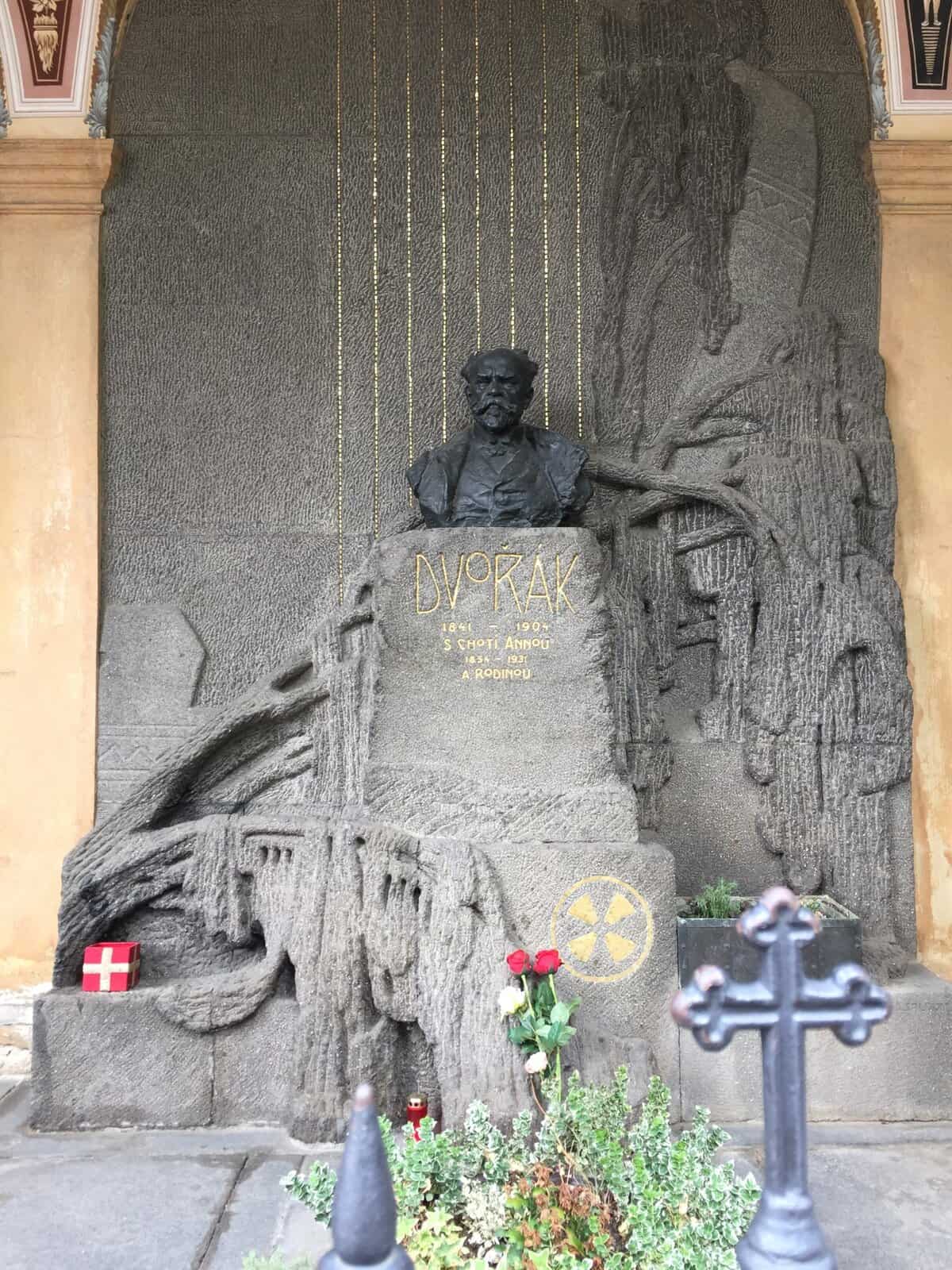
Understanding this long history helps explain why Prague feels so layered. Medieval streets, Baroque churches, and centuries old bridges sit beside modern cafés and lively squares. This contrast gives the city its distinctive atmosphere.
Three Days in Prague Itinerary
Prague is one of the easiest cities in Europe to explore on foot. Many of the most famous landmarks sit within the historic center along the Vltava River, and several neighborhoods connect naturally by bridges, parks, and scenic streets.
Most of the places included in this itinerary are located within Prague’s historic center, which is a UNESCO World Heritage Site. The districts of Old Town, Malá Strana, and Prague Castle form the core of the city’s historic landscape.
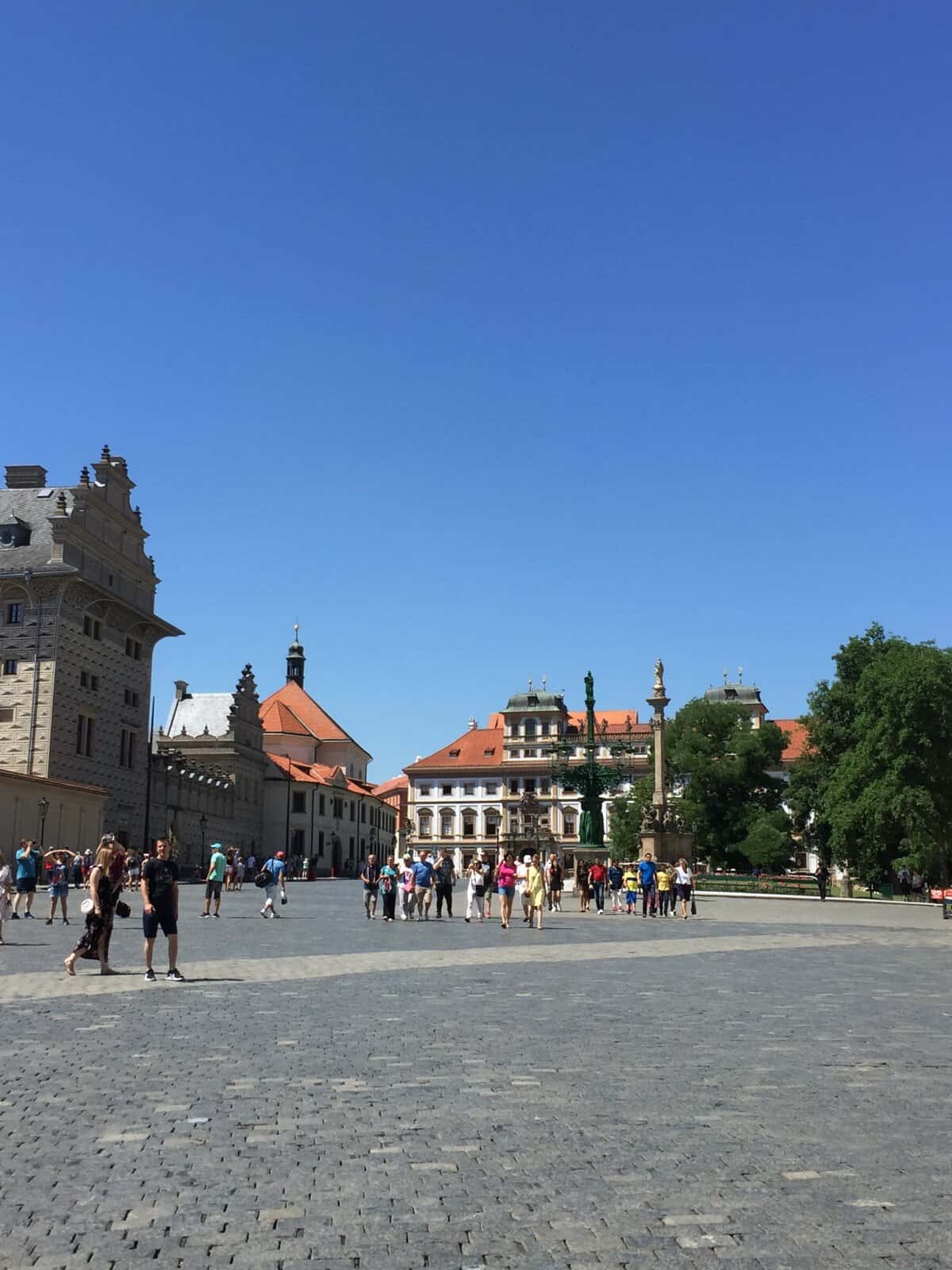
If you prefer a guided introduction to the city, starting with an Old Town and Jewish Quarter walking tour is a great way to learn about Prague’s history while getting oriented. After that, you can continue exploring the rest of the itinerary on your own. We did a tour like this and it worked well for the short amount of time we had in the city.
This three day Prague itinerary also works well as a self guided route. I include walking maps for each day so you can follow the route at your own pace and easily see how the neighborhoods connect.
Here is how the three days are structured:
Day 1: Old Town, the Jewish Quarter, and Charles Bridge
Day 2: Prague Castle, Strahov Monastery, and Malá Strana
Day 3: Scenic viewpoints, historic fortresses, and some of Prague’s more unusual attractions
Grouping the sights this way keeps walking distances reasonable and allows you to explore each area without constantly crossing the city.
Prague Itinerary Overview Map (Highlights Only)
See the individual days below for detailed walking routes.
👇Save the map below to see how the major landmarks connect across Prague.👇
Day 1 in Prague: Old Town, Jewish Quarter, and Charles Bridge
Your first day in Prague focuses on the historic heart of the city. Old Town is where many visitors get their first glimpse of Prague’s medieval architecture, colorful buildings, and lively squares.
As you explore, you will wander through historic Old Town streets, learn about the Jewish Quarter, and eventually cross one of Prague’s most famous landmarks, the Charles Bridge.
Day 1 Morning: Old Town Square and the Astronomical Clock
Begin your day in Old Town Square, one of the most famous and beautiful squares in Prague. Surrounded by colorful historic buildings, cafés, and Gothic towers, the square has been the center of city life for centuries.

One of the main highlights here is the Prague Astronomical Clock. Installed in the early 1400s, it is the third oldest astronomical clock in the world and the oldest one still operating today. Each hour, visitors gather to watch the small mechanical figures move as the clock strikes.
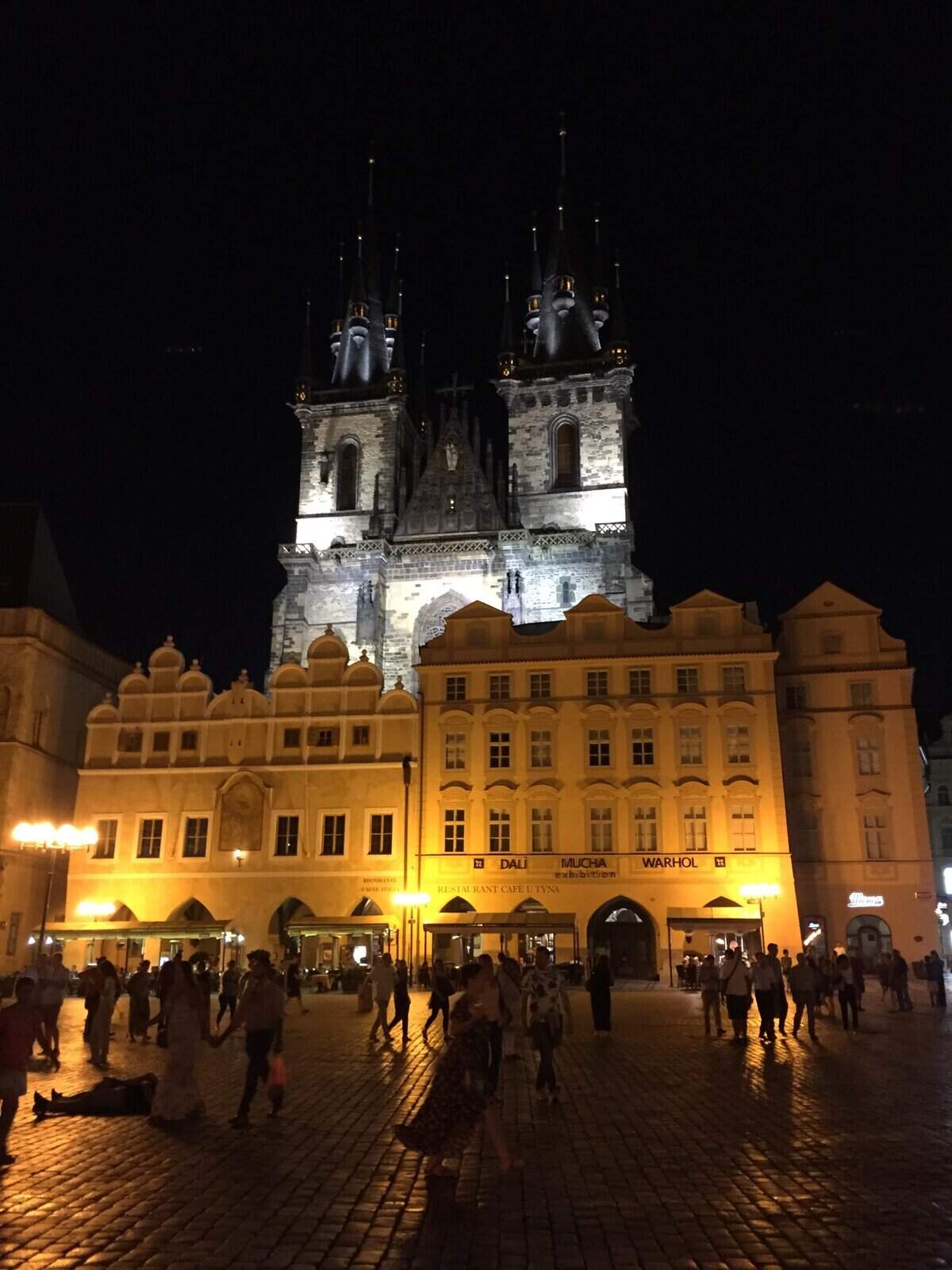
Take a little time to walk around the square and enjoy the architecture. The towers of the Church of Our Lady before Týn rise above the rooftops nearby. The surrounding streets lead into a maze of historic alleys filled with shops, cafés, and hidden courtyards.
Day 1 Mid Morning: Jewish Quarter (Josefov)
From Old Town Square, it is a short walk to the Jewish Quarter, known as Josefov. This historic neighborhood preserves centuries of Jewish history in Prague. It is one of the most meaningful areas to visit in the city.
Several important landmarks are located here, including historic synagogues and the Old Jewish Cemetery. The cemetery dates to the 15th century and is one of the oldest surviving Jewish cemeteries in Europe. Thousands of gravestones are layered closely together due to limited space within the old city walls.
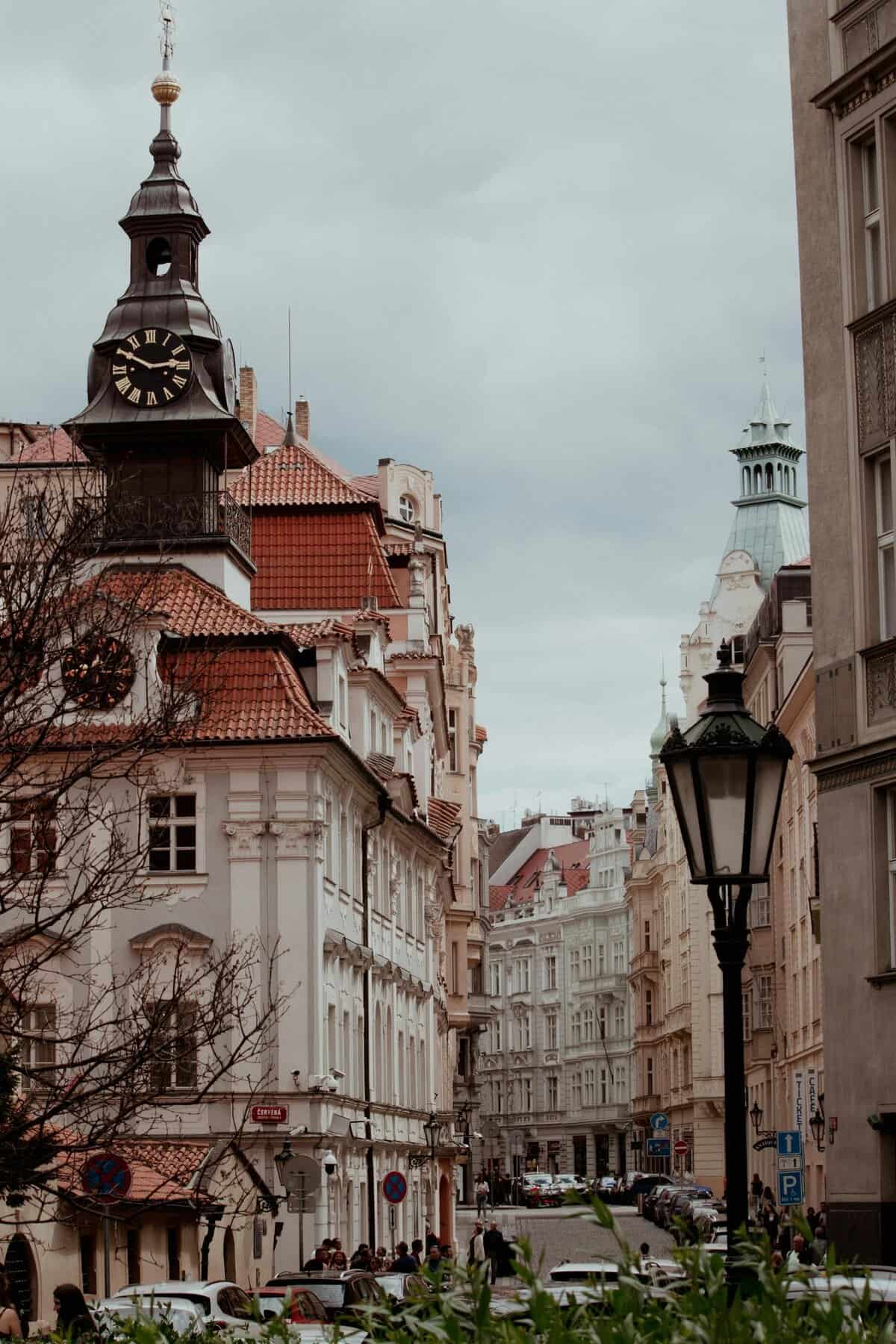
Walking through this area offers an important glimpse into the history of Prague’s Jewish community. The community played a major role in shaping the city’s culture for centuries.
After exploring the Jewish Quarter, return toward Old Town for lunch. Later, continue your walk across Charles Bridge.
💡 Travel Tip: Restaurants directly on Old Town Square are usually the most expensive. Walk a few blocks away for quieter spots, more authentic food, and better prices.
Day 1 Lunch in Old Town
By midday, it is a good time to take a break and enjoy a traditional Czech meal. Old Town has plenty of restaurants and cafés before you continue your afternoon walk.
Czech cuisine is hearty and comforting. Many meals include rich sauces, roasted meats, and dumplings. One classic dish to try is svíčková, marinated beef with creamy vegetable sauce and bread dumplings. Another popular option is goulash, a flavorful stew served with dumplings or dark bread.
If you want something lighter, many restaurants also serve soups, salads, and small plates alongside Czech beer. Prague is a great place to try famous Czech beers such as Pilsner Urquell or Budvar.

Optional Food Experience: Prague Food and Beer Tour
If you want a deeper introduction to Czech cuisine and beer culture, consider joining a Prague food and beer tour. These tours usually visit several local restaurants or pubs where you can sample traditional dishes and Czech beer while learning about the city’s culinary traditions.
After lunch, continue walking toward the Vltava River and one of Prague’s most iconic landmarks, Charles Bridge.
Day 1 Afternoon: Charles Bridge and Malá Strana
After lunch, walk toward the Vltava River and one of Prague’s most iconic landmarks, Charles Bridge.

Built in the 14th century during the reign of Charles IV, this historic stone bridge connects Old Town with Malá Strana below Prague Castle. Today it is one of Prague’s most recognizable landmarks. The bridge is lined with statues, street musicians, and artists selling paintings and souvenirs.
As you cross the bridge, take time to enjoy views of the river and Prague’s skyline. You can see the red rooftops of Old Town on one side and Prague Castle rising above the city on the other.
At the far end of the bridge you enter Malá Strana, also known as Lesser Town. This charming neighborhood sits beneath Prague Castle. It is filled with colorful buildings, quiet streets, and historic churches.

One of the highlights here is St. Nicholas Church. This beautiful Baroque church is known for its ornate interior and large green dome. Even a short visit is worth it to see the elaborate decorations and ceiling frescoes.
Spend some time wandering the streets of Malá Strana before dinner. The neighborhood is quieter than Old Town and especially pleasant in the late afternoon.
Day 1 Evening: Sunset and Dinner in Malá Strana
Malá Strana is a wonderful place to spend your first evening in Prague. As the afternoon crowds thin out, the neighborhood’s quiet streets and historic buildings take on a different atmosphere.
Before dinner, consider a short walk along the Vltava River or return to Charles Bridge for sunset views. Watching the light change over Prague Castle and the surrounding rooftops is one of the most memorable moments in the city.
Malá Strana has several cozy restaurants serving traditional Czech cuisine. It is a great place to try dishes like roasted pork with dumplings or goulash paired with Czech beer.
If you want a more atmospheric dining experience, consider U Krále Brabantského, a medieval style tavern in Malá Strana near Prague Castle. It claims to be one of the oldest taverns in Prague, with history dating back to the 14th century. The restaurant embraces its medieval theme with candlelight, rustic interiors, and traditional Czech food.
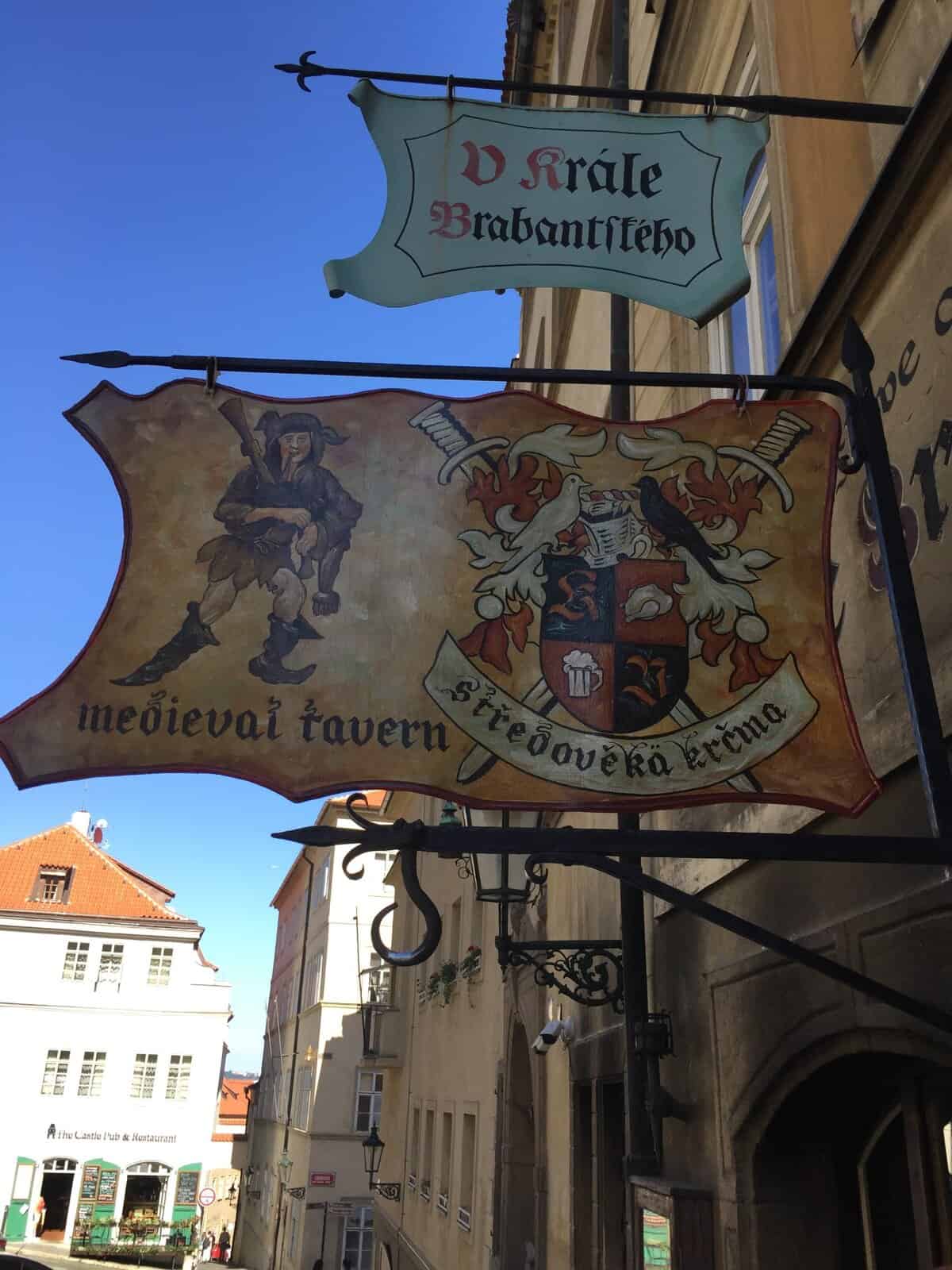
After dinner, take a slow walk back toward the river. Prague’s historic streets are beautifully lit at night, and crossing Charles Bridge in the evening is one of the most magical experiences in the city.
Optional: Evening Vltava River Cruise
If you would like to see Prague from a different perspective, consider taking an evening Vltava River cruise. Boats pass beneath Charles Bridge and offer beautiful views of Prague Castle and the city skyline illuminated at night.

Day 1 Walking Route
This walking route connects the main sights from today’s itinerary through Old Town, the Jewish Quarter, and Malá Strana.
Walking Map
Old Town Square → Astronomical Clock → Jewish Quarter (Josefov) → Lunch in Old Town → Charles Bridge → Malá Strana → St. Nicholas Church → Dinner in Malá Strana (U Krále Brabantského Medieval Tavern)
👇Save the walking map below to follow today’s route.👇
Day 2 in Prague: Prague Castle, Strahov Monastery, and Petřín Hill
After exploring Old Town and crossing Charles Bridge on your first day, the second day of this itinerary focuses on the hilltop landmarks overlooking the city. Prague Castle and the surrounding neighborhoods offer some of the most impressive architecture and viewpoints in Prague.
Many of the sights today sit above Malá Strana, so expect a bit more uphill walking. The reward is sweeping views of Prague’s red rooftops, church spires, and the winding Vltava River below.
This day combines some of Prague’s most famous historic landmarks with a few quieter places that many visitors miss, including a beautiful historic library and one of the city’s best viewpoints.
Day 2 Morning: Prague Castle Complex
Start your morning at Prague Castle, one of the most famous attractions in the city and one of the largest ancient castle complexes in the world. The castle sits high above Prague and has served as the seat of Czech rulers for centuries.

Within the castle grounds you will find courtyards, historic buildings, museums, and churches. The most striking landmark here is St. Vitus Cathedral, a Gothic masterpiece known for its towering spires and colorful stained glass windows.
Take time to walk through the castle courtyards and viewpoints overlooking the city. From here you can see the rooftops of Malá Strana, the towers of Old Town, and the Vltava River stretching across Prague.
Day 2 Midday: Strahov Monastery and Library
From Prague Castle, continue west to Strahov Monastery, one of Prague’s most historic monasteries. Founded in the 12th century, it has long been an important center of learning.
The highlight for many visitors is the Strahov Monastery Library, which contains two stunning Baroque library halls filled with historic books. Painted ceilings, ornate woodwork, and antique globes make it one of the most beautiful libraries in Europe.

Even if you only stop briefly, it is worth seeing the halls from the viewing areas. The monastery complex also has a quiet courtyard and scenic views over the city.
Day 2 Lunch at Strahov Monastery Brewery
The complex also includes Pivovar Sv. Norbert, a monastery brewery and restaurant. We stopped here during our visit, and it was a great place for a break. It is a good spot to try traditional Czech food or enjoy a local beer before continuing the walk.
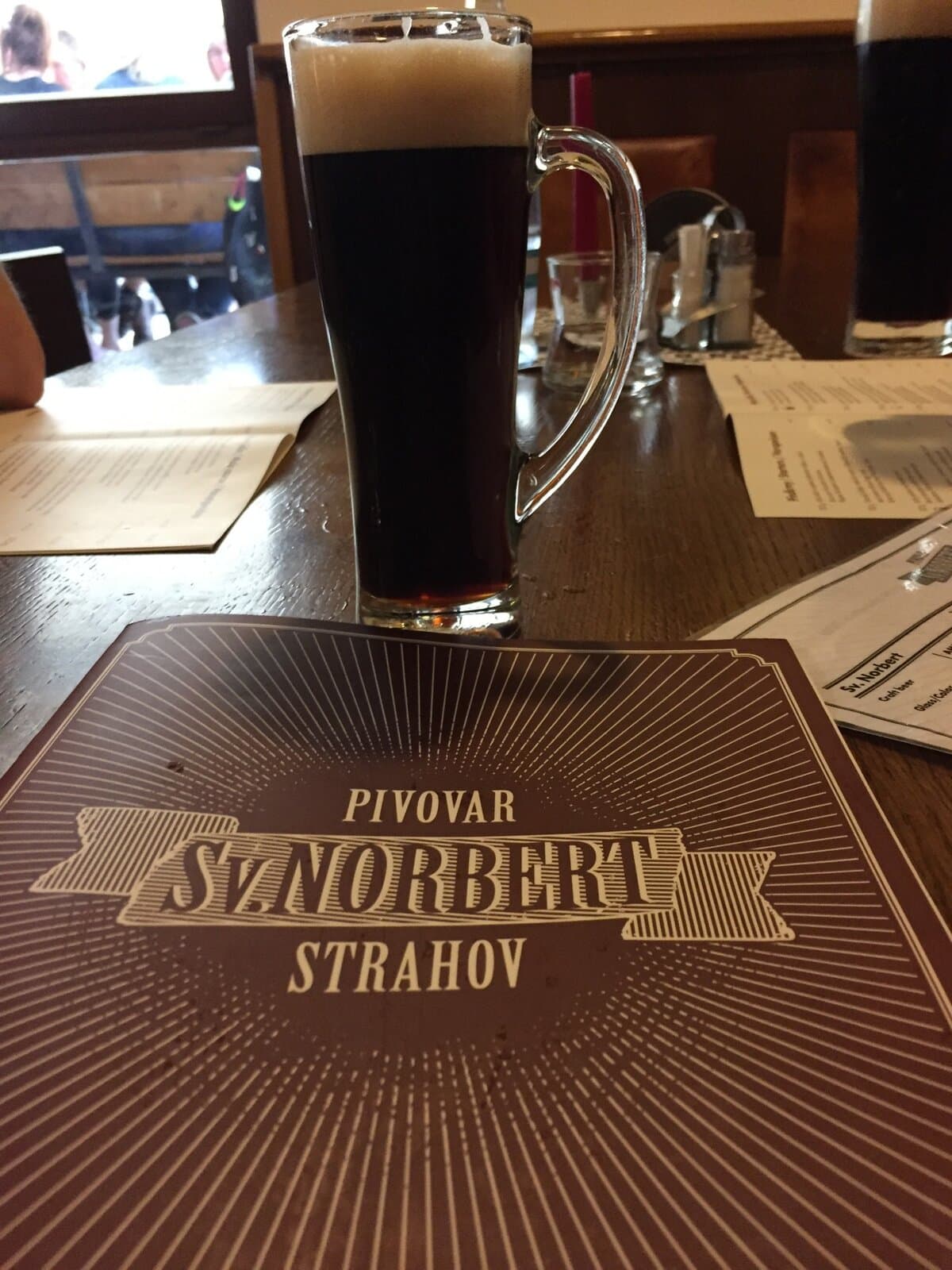
After lunch, continue toward Petřín Hill for one of the best panoramic viewpoints in Prague.
Day 2 Afternoon: Petřín Hill and Petřín Tower
After visiting Strahov Monastery, continue toward Petřín Hill, a peaceful green space that rises above the city. The park is filled with walking paths, gardens, and scenic viewpoints, making it a nice break from Prague’s busy historic streets.
At the top of the hill you will find Petřín Tower, a steel observation tower often compared to a smaller version of the Eiffel Tower. Visitors can climb the stairs or take an elevator to the observation deck for panoramic views across Prague.

From the top, you can see Prague Castle, the Vltava River winding through the city, and the sea of red rooftops that define Prague’s skyline. On clear days, it is one of the best viewpoints in the city.
After enjoying the views, begin your walk downhill toward the Malá Strana district again.
Day 2 Late Afternoon: John Lennon Wall and Kampa Island
As you walk back toward the river, stop at the John Lennon Wall, one of Prague’s most colorful landmarks. In the 1980s, during communist rule, people began painting messages of peace and freedom inspired by John Lennon.

Today it remains covered in layers of graffiti, artwork, and song lyrics, with visitors continuing to add their own messages.
Just a short walk away is Kampa Island, a small park area along the Vltava River beneath Charles Bridge. The island offers beautiful views of the river and the bridge’s arches from below, making it a great place to slow down for a bit before the evening.
Day 2 Evening: Classical Music or Night Views of Prague
Prague has a long tradition of classical music, and attending a concert is one of the most memorable evening experiences in the city. Performances often take place in historic churches and concert halls, creating an atmosphere that feels uniquely tied to Prague’s cultural history.
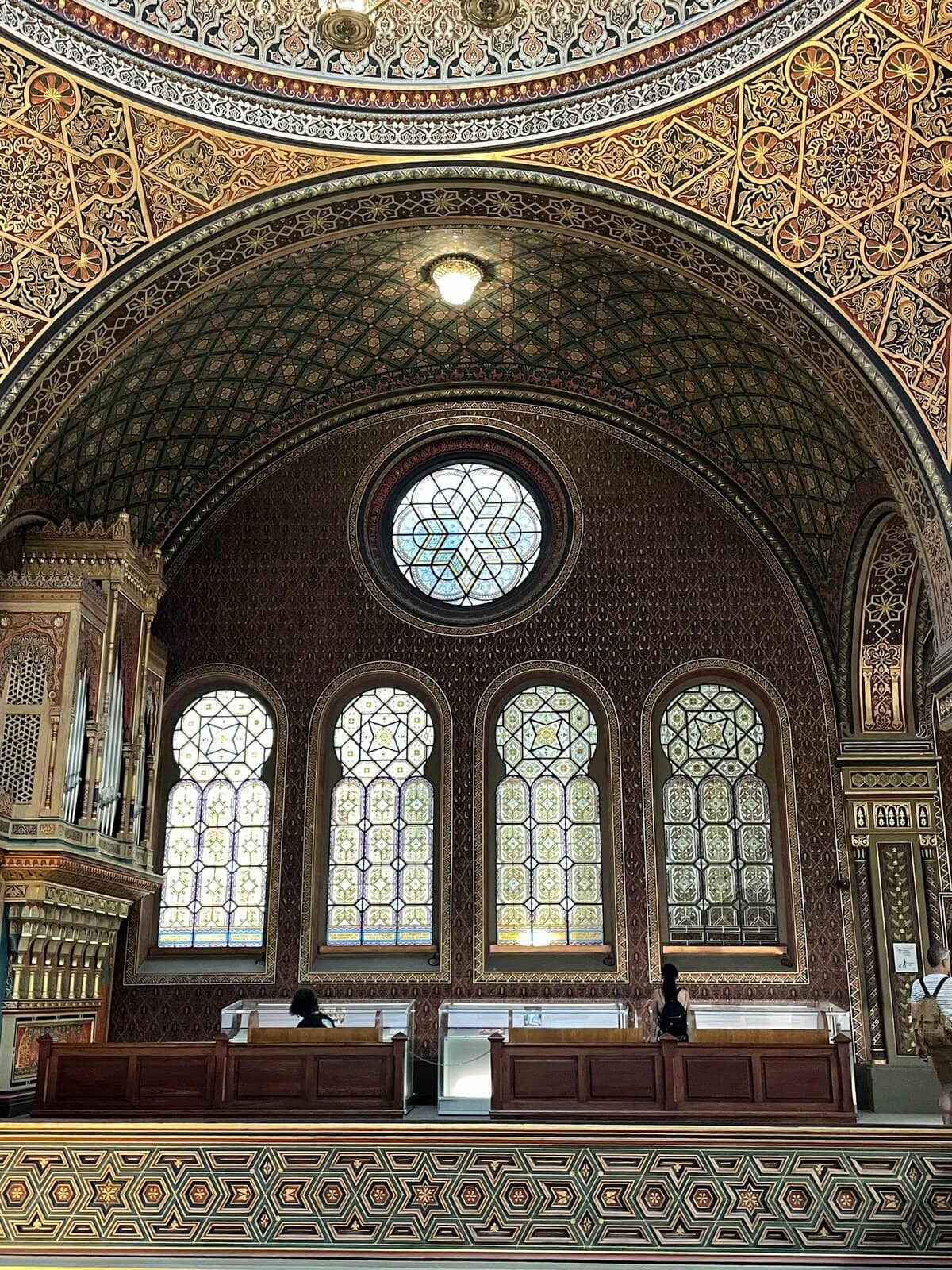
If this interests you, consider attending a classical concert in Prague, where you can hear music by composers such as Mozart or Antonín Dvořák in a historic setting.
Another option is simply to enjoy Prague at night. The city’s landmarks are beautifully illuminated after dark, and walking across Charles Bridge in the evening offers a completely different atmosphere than during the day.
Day 2 Walking Route
Today’s route focuses on Prague’s hilltop landmarks and scenic viewpoints above the city.
Walking Map
Prague Castle → St. Vitus Cathedral → Strahov Monastery → Lunch at Pivovar Sv. Norbert → Petřín Hill → Petřín Tower → John Lennon Wall → Kampa Island
👇Save the walking map below to follow today’s route.👇
💡Travel Tip: Some stops today involve hills. We used Uber to shorten the walk, and it worked well in Prague.
Day 3 in Prague: Hidden Gems, Views, and Unique Experiences
By your third day in Prague, you will have already seen many of the city’s famous landmarks. Today is a great opportunity to explore some of the places that are slightly farther from the historic center or often overlooked by first time visitors.
This part of the itinerary focuses on scenic viewpoints, historic fortresses, and some of Prague’s more unusual attractions. These stops offer a different perspective on the city and help round out your visit beyond the main tourist sites.
Day 3 Morning: Vyšehrad Fortress
Start your day at Vyšehrad Fortress, a historic complex on a hill above the Vltava River in Prague. While Prague Castle attracts most visitors, Vyšehrad offers a quieter and more relaxed atmosphere.

According to Czech legend, this hilltop fortress is tied to the earliest stories about the founding of Prague. Today visitors can walk along the fortress walls, explore the grounds, and enjoy views over the river and surrounding neighborhoods. We visited during our trip and thought the views from here were excellent.

The peaceful setting is a nice contrast to the busy streets of Old Town. While exploring the area, I also enjoyed visiting the church at Vyšehrad. The interior is beautiful, but the detailed doorways especially caught my eye.
Day 3 Midday: Letná Park and Beer Garden
Next, head to Letná Park, one of the best viewpoints in Prague. From the hilltop viewpoint you can see several of the city’s historic bridges stretching across the Vltava River.
The park is also home to the Prague Metronome, a large modern sculpture that replaced a former Stalin monument and now stands as a reminder of the city’s complex history.
Letná Park is also known for its popular beer garden, where visitors can grab a beer and enjoy one of the best panoramic views in Prague. It is a great place to relax for a bit before continuing your afternoon exploration.
Day 3 Afternoon: Prague’s Quirky Statues and Modern Sights
One of the fun surprises in Prague is the number of unusual sculptures scattered throughout the city. Many of them were created by the Czech artist David Černý and add a playful, unexpected side to the city’s historic streets.
A few of the most interesting ones to look for include:
Franz Kafka Rotating Head
A massive mirrored sculpture made of rotating panels that constantly reshape the famous writer’s face.

Dancing House
A modern building along the Vltava River designed to resemble two dancers, often nicknamed “Fred and Ginger.”

Upside Down Horse in Lucerna Passage
A sculpture showing Saint Wenceslas riding an upside down horse.

Exploring these unusual landmarks can feel like a small scavenger hunt through the city.
If you enjoy discovering quirky attractions like these, I include more examples in my guide to the best things to do in Prague.
Day 3 Optional Experience: Prague Beer Spa
If you are looking for one of Prague’s most unusual experiences, consider visiting a Prague beer spa.
At these spas, guests relax in wooden tubs filled with warm water infused with hops, barley, and yeast while enjoying Czech beer poured directly from nearby taps. It may sound unusual, but it has become one of the city’s most popular and memorable experiences for visitors.
Even if you decide not to try a beer spa, it highlights just how important beer culture is in the Czech Republic.
Day 3 Walking Route
This route explores quieter viewpoints and some of Prague’s more unusual attractions.
Walking Map
Vyšehrad Fortress → Letná Park → Prague Metronome → Letná Beer Garden → Kafka Rotating Head → Lucerna Passage Upside Down Horse → Dancing House
👇Save the walking map below to follow today’s route.👇
💡 Travel Tip: Vyšehrad and Letná Park are farther apart than the other stops today. I recommend using public transportation or Uber if you plan to visit both.
Optional Add On: Day Trips from Prague
If you have extra time, Prague is a great base for exploring other parts of the Czech Republic. Several historic towns and castles are within easy reach of Prague and make excellent day trips.
One of the most popular options is Kutná Hora, a historic town known for the famous Sedlec Ossuary, often called the Bone Church. Inside the chapel, thousands of human bones are arranged into decorative sculptures and chandeliers. The town also has beautiful streets and an impressive cathedral.
Another well known destination is Český Krumlov, a small medieval town that feels like a fairy tale setting. Colorful buildings line the river, and a large castle rises above the town. One unusual feature is the castle’s historic bear moat, where bears have been kept for centuries.

You can also visit Karlštejn Castle, a Gothic castle built in the 14th century by Emperor Charles IV. The castle sits on a forested hill outside Prague and once protected the crown jewels of the Holy Roman Empire.
Prague Travel Tips
A few practical tips can make visiting Prague easier and help you make the most of your trip.
Understand the Currency
The Czech Republic uses the Czech koruna rather than the euro. Credit cards are widely accepted, but it is helpful to carry some cash for smaller purchases.
💡 Important Tip on Currency Exchanges: Avoid currency exchange offices in tourist areas. They are known to offer poor rates and scams. Use ATMs from major banks for better rates.
Consider the Prague Visitor Pass
If you plan to visit several attractions, the Prague Visitor Pass may be worth considering. The pass includes public transportation and entry to many popular sights.
Use Public Transportation When Needed
Although this itinerary focuses on walking, Prague also has an excellent public transportation system. Trams, buses, and the metro make it easy to reach areas outside the historic center.
Where to Stay in Prague
Choosing the right neighborhood can make your trip to Prague much easier. Many of the city’s main attractions are located near the historic center, so staying nearby allows you to walk to most of the places included in this itinerary.
Old Town is the most convenient area for first time visitors. Staying here puts you within walking distance of major landmarks like Old Town Square and Charles Bridge, making sightseeing very convenient.
Malá Strana, located below Prague Castle, is another excellent option. This historic neighborhood has charming streets, beautiful architecture, and a quieter atmosphere while still being close to many attractions.
New Town offers more restaurants, shopping, and nightlife. It is still within walking distance of the historic center and has excellent public transportation connections.
During my visit to Prague, I stayed at Hotel Haštal Prague Old Town, which made it easy to walk to many of the city’s main sights. It was a few blocks from the main square, but we loved it. There were several restaurants nearby.

If you want a deeper breakdown of neighborhoods and hotel options, see my full guide on where to stay in Prague.
FAQ
Here are answers to some of the questions I get asked most often about visiting Prague.
Are 3 days enough to visit Prague?
Yes, three days is usually enough time to see Prague’s main highlights while still enjoying the city at a relaxed pace. In three days you can visit major landmarks, explore historic neighborhoods, and experience some of the city’s viewpoints and local culture.
Is Prague a walkable city?
Yes, Prague is a very walkable city. Many of the most famous attractions are located within the historic center along the Vltava River.
What is the best time to visit Prague?
Spring and fall are often considered the best times to visit Prague because of the mild weather and smaller crowds. Summer is the busiest season and warm but offers long daylight hours. Winter is also a beautiful time to visit, especially during December when Prague’s Christmas markets and holiday lights create a festive atmosphere.
Is Prague or Vienna better to visit?
Both cities are excellent, but they offer different experiences. Prague is known for its medieval streets, castles, and compact historic center. Vienna feels more grand and imperial, with large museums, palaces, and elegant boulevards.
Many travelers visit both cities on the same trip since they are only about four hours apart by train.
Do you need to speak Czech to visit Prague?
No. The official language is Czech, but English is widely spoken in tourist areas. We don’t speak Czech and had no trouble getting around or communicating in the city.
Final Thoughts
Prague is a city that blends history, culture, and unforgettable scenery around nearly every corner. Medieval bridges, Gothic cathedrals, quiet parks, and lively squares make it one of the most fascinating cities to explore in Europe.
With three days in Prague, you can experience the city’s most famous landmarks while also discovering scenic viewpoints, historic neighborhoods, and a few unexpected attractions along the way.
If you are planning your visit and want additional ideas for museums, food experiences, and hidden gems, you can also explore my guide to the best things to do in Prague.
Whether you are visiting for the architecture, the history, the beer culture, or simply to wander through its storybook streets, Prague is a city that stays with you long after the trip is over.
I hope you found this Three Days in Prague Itinerary helpful as you plan your trip to Prague. Send me an email if you have any questions. TravelandTinsel@gmail.com I love to hear from readers.
You Might Also Like
